Learning to recognize and manage emotions is a crucial part of a child’s social and emotional development. For kindergarten students, navigating their feelings can be especially challenging. This is where a printable feelings chart can be a valuable tool. By providing a visual representation of different emotions, a feelings chart can help young students identify and express their feelings in a healthy way.
A feelings chart typically consists of a series of images or illustrations that depict different emotions, such as happiness, sadness, anger, and fear. Each emotion is often accompanied by a corresponding facial expression or body language, making it easy for children to recognize and relate to. By using a feelings chart, kindergarten students can begin to develop an emotional vocabulary, learning to identify and label their emotions in a way that is both fun and engaging.
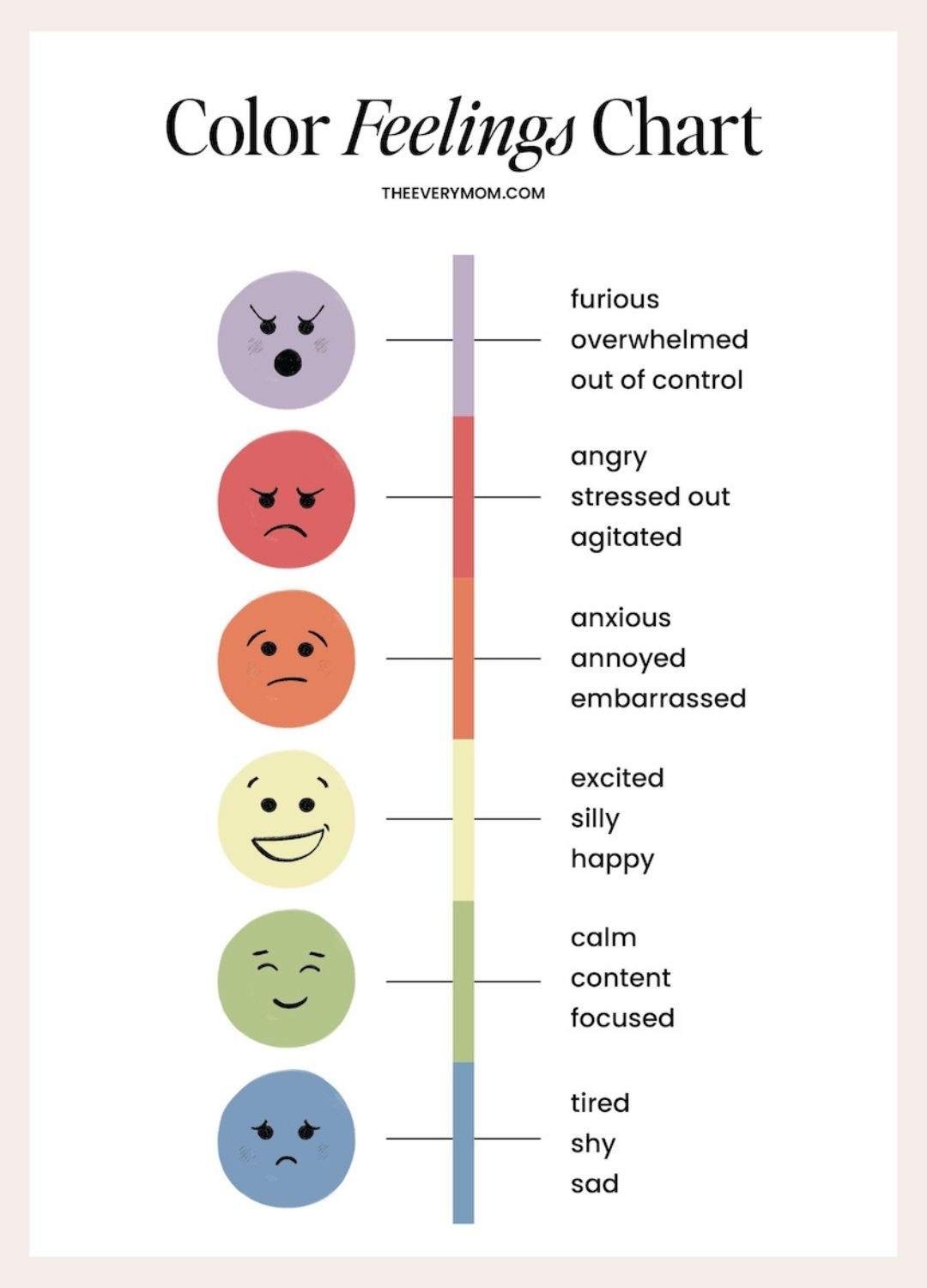
How Using An Emotions Chart Helped My Toddler And Me
What is a Feelings Chart and How Does it Work?
A feelings chart is a simple yet effective tool that can be used in a variety of ways. It can be displayed in the classroom or at home, serving as a constant reminder to children to check in with their emotions. The chart can also be used to facilitate discussions and activities that help children develop emotional awareness and regulation skills. By understanding how a feelings chart works, teachers and parents can begin to incorporate this valuable tool into their daily routines, helping kindergarten students develop a stronger sense of emotional intelligence.
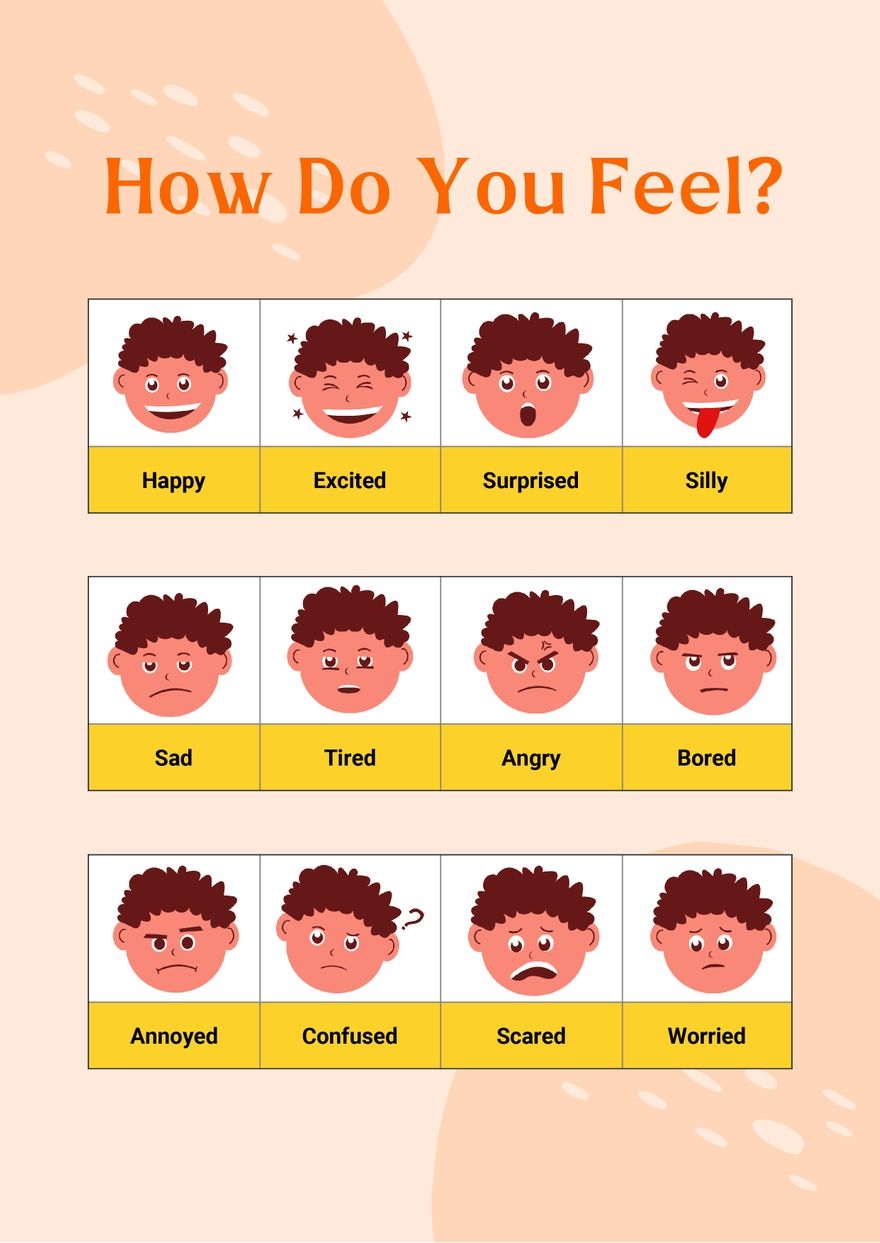
Free Feelings Chart Templates Editable And Printable
Benefits of Using a Printable Feelings Chart in Kindergarten
The benefits of using a printable feelings chart in kindergarten are numerous. For one, it provides a common language for children to express their emotions, helping to reduce conflicts and improve relationships with peers and adults. A feelings chart can also help children develop self-awareness, teaching them to recognize and manage their emotions in a healthy way. Additionally, a feelings chart can be a useful tool for identifying and addressing emotional issues, such as anxiety or depression, before they become more serious problems.
Tips for Implementing a Feelings Chart in Your Classroom
When implementing a feelings chart in your classroom, there are several tips to keep in mind. First, be sure to introduce the chart in a way that is engaging and interactive, such as through a game or activity. It’s also important to model the use of the chart, demonstrating how to identify and express emotions in a healthy way. Finally, be sure to provide opportunities for children to practice using the chart, such as through role-playing or group discussions. By following these tips, you can help your kindergarten students get the most out of their feelings chart and develop a stronger sense of emotional intelligence.
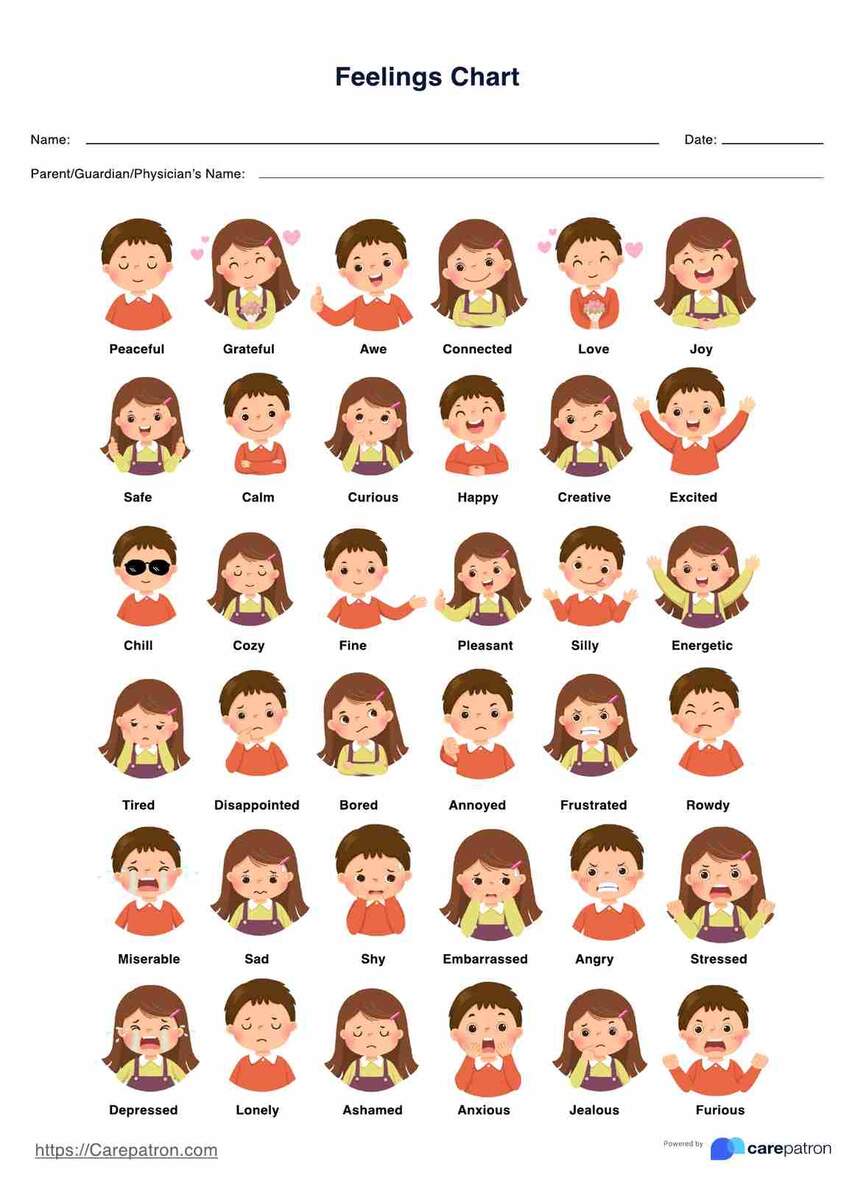
Feelings Chart For Kids
By incorporating a printable feelings chart into your kindergarten classroom, you can provide your students with a valuable tool for developing emotional awareness and regulation skills. With its simple yet effective design, a feelings chart can be a powerful resource for teaching children to identify and express their emotions in a healthy way. So why not give it a try? Download and print your feelings chart today, and start helping your kindergarten students unlock the power of their emotions!
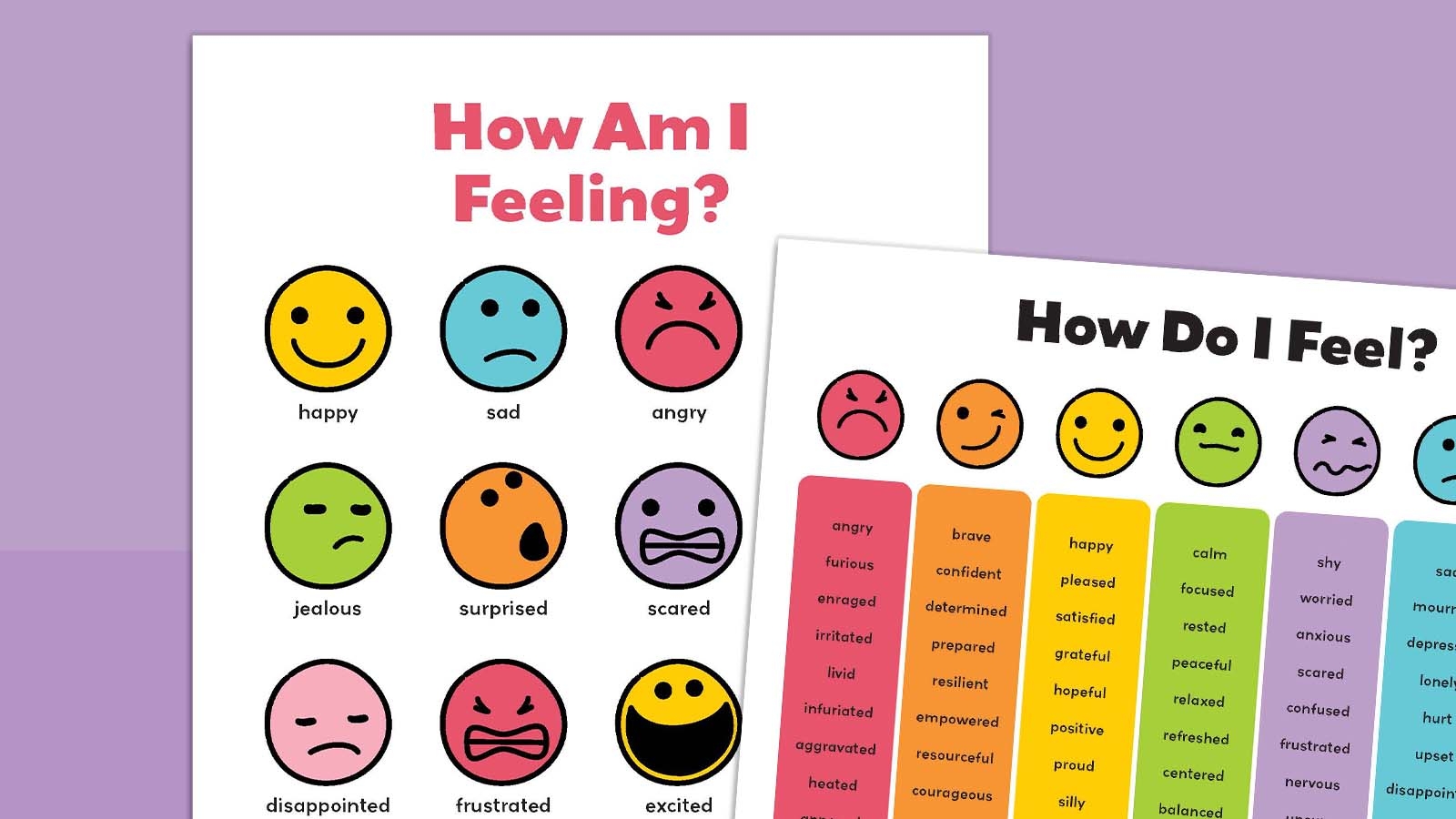
Free Printable Feelings Chart Bundle For Kids
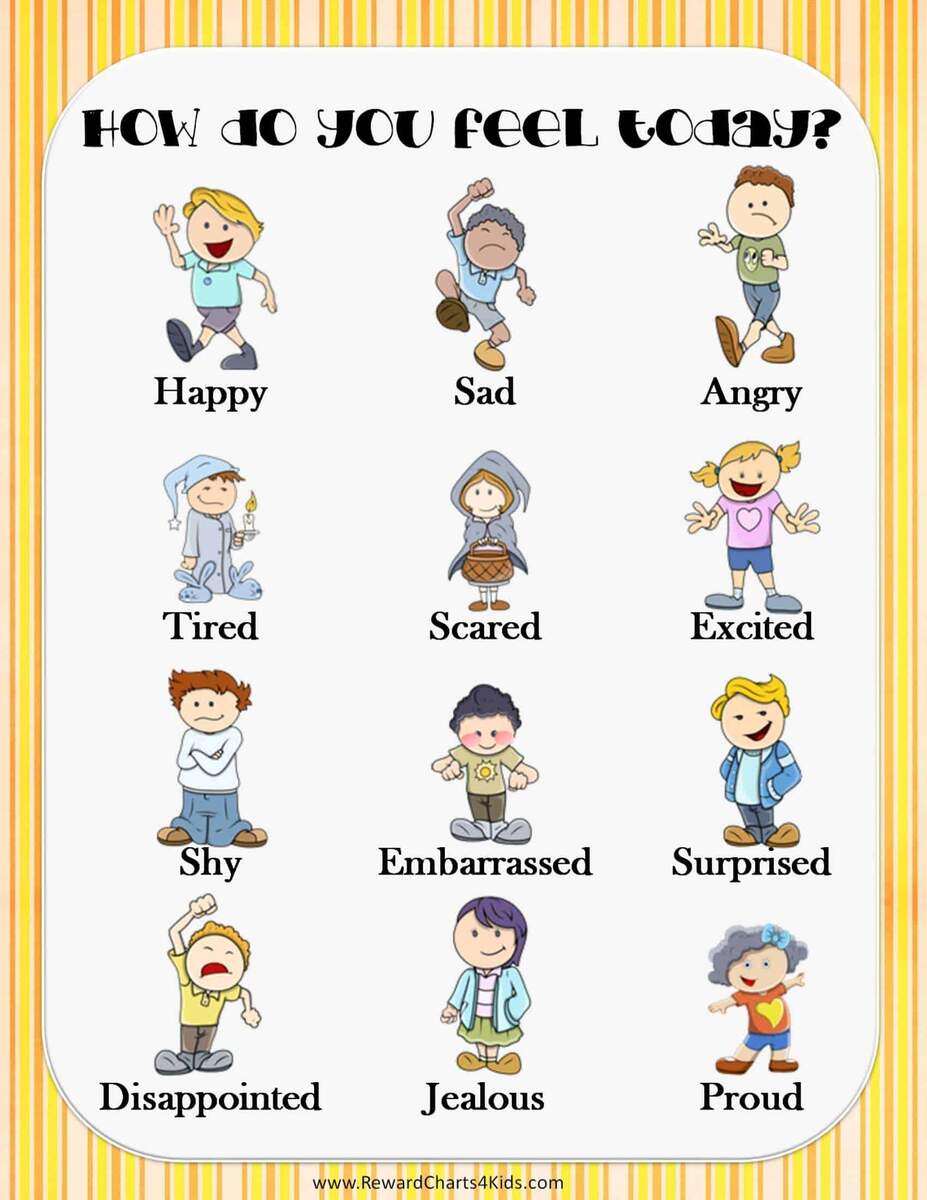
FREE Feeling Chart For Kindergarteners With Photos