Maintaining healthy blood sugar levels is crucial for overall well-being, and one effective tool in achieving this is the glycemic index. The glycemic index is a measure of how quickly foods raise blood sugar levels, with foods being ranked on a scale from 0 to 100. Foods with a high glycemic index, such as white bread and sugary snacks, cause a rapid spike in blood sugar, while foods with a low glycemic index, like whole grains and non-starchy vegetables, have a more gradual effect.
For individuals with diabetes or those trying to manage their blood sugar levels, understanding the glycemic index is vital. It helps in making informed dietary choices, preventing excessive blood sugar fluctuations, and reducing the risk of complications associated with diabetes. A glycemic index printable chart is a handy resource that lists various foods along with their glycemic index values, making it easier to plan meals and snacks.
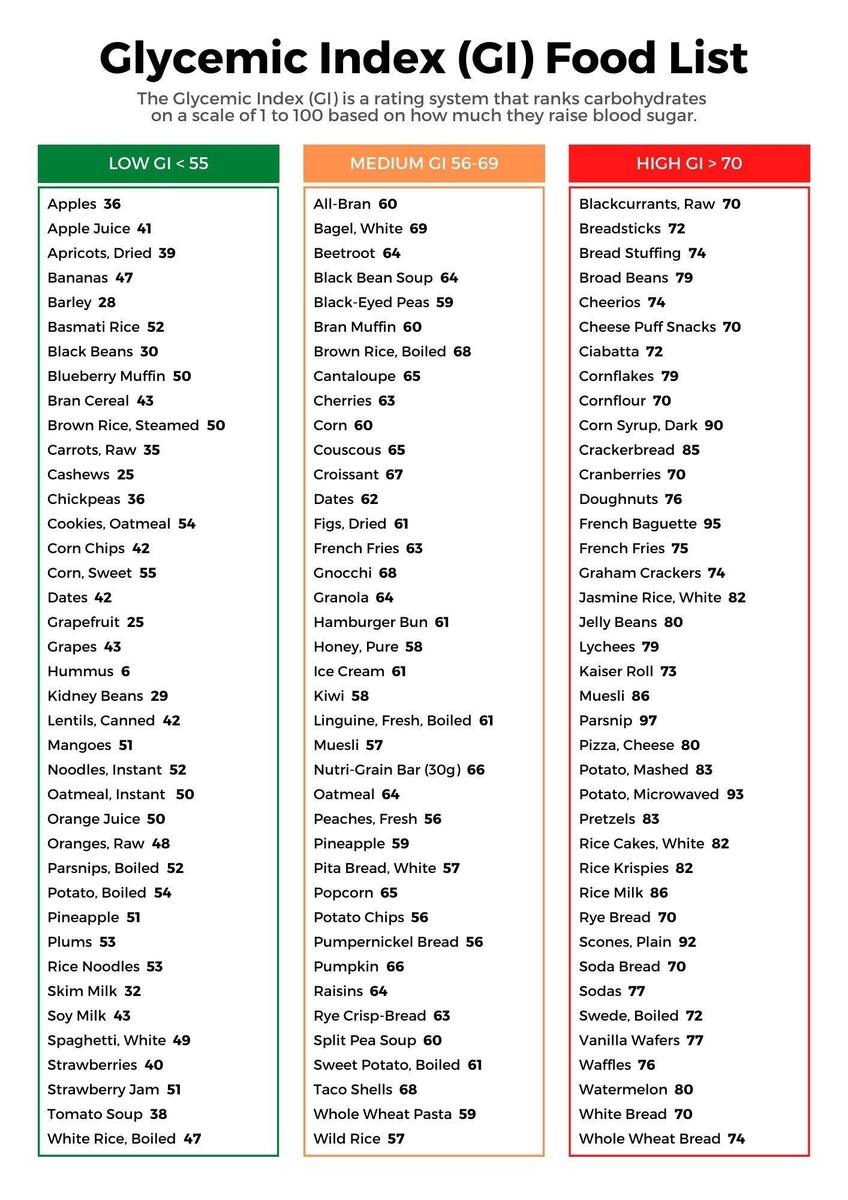
Glycemic Index Chart Printable
Understanding the Glycemic Index
The glycemic index is a complex concept, but essentially, it measures the rate at which carbohydrates in food are digested and absorbed, causing blood sugar levels to rise. Pure glucose is used as the reference point, with a glycemic index value of 100. Other foods are then compared to this reference point, with higher values indicating a more rapid increase in blood sugar. Understanding the glycemic index is the first step towards using a glycemic index chart effectively.
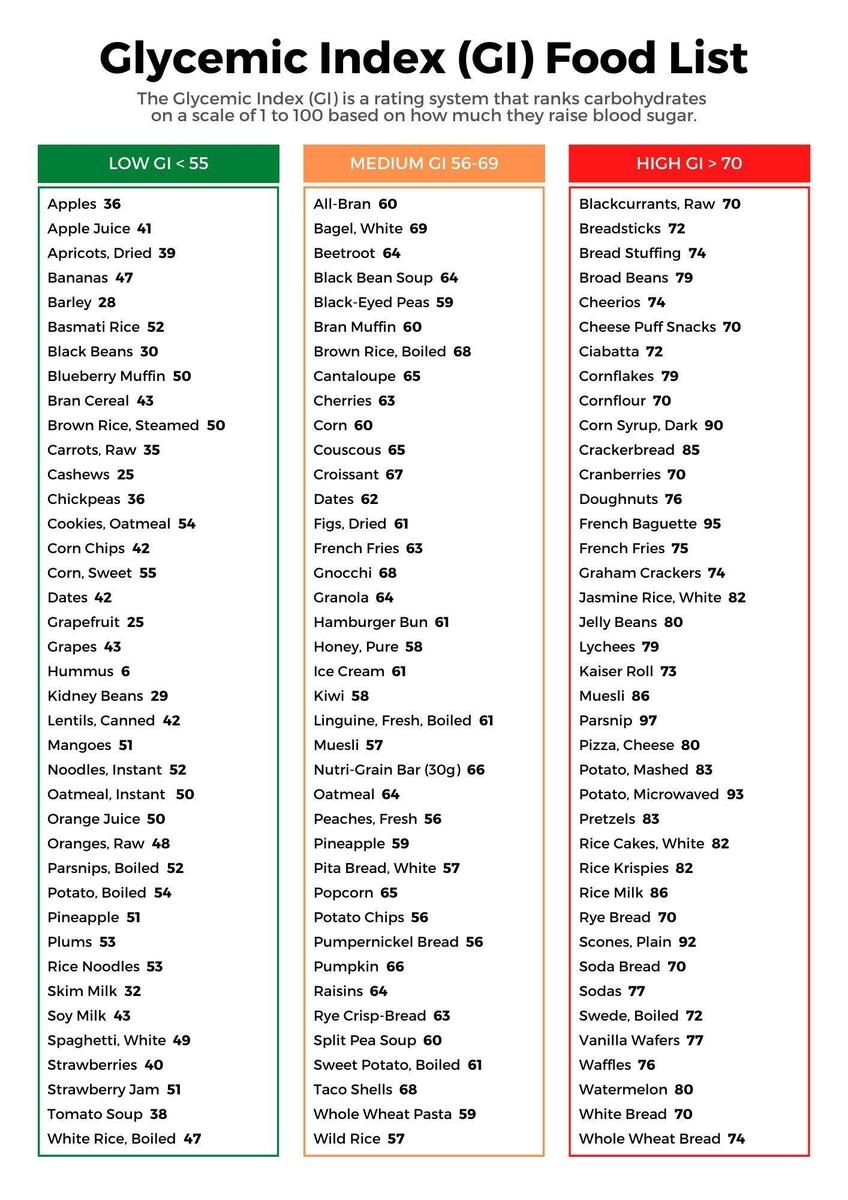
Glycemic Index Chart Printable
Benefits of Using a Glycemic Index Chart
Using a glycemic index chart offers numerous benefits, particularly for individuals with diabetes or those at risk of developing the condition. It helps in identifying which foods to limit or avoid, and which ones to include more frequently in the diet. By choosing foods with a low glycemic index, individuals can better regulate their blood sugar levels, improve insulin sensitivity, and even aid in weight management. Moreover, a glycemic index chart can be a valuable tool for meal planning, ensuring that daily carbohydrate intake is balanced and blood sugar levels remain stable.
How to Read and Interpret the Chart
Reading and interpreting a glycemic index chart is relatively straightforward. The chart typically lists foods in categories, such as fruits, vegetables, grains, and dairy products, along with their corresponding glycemic index values. Foods are often categorized as low (glycemic index value of 55 or less), medium (glycemic index value of 56-69), or high (glycemic index value of 70 or more). By referring to the chart, individuals can make informed decisions about their food choices, opting for foods with lower glycemic index values to maintain better blood sugar control.
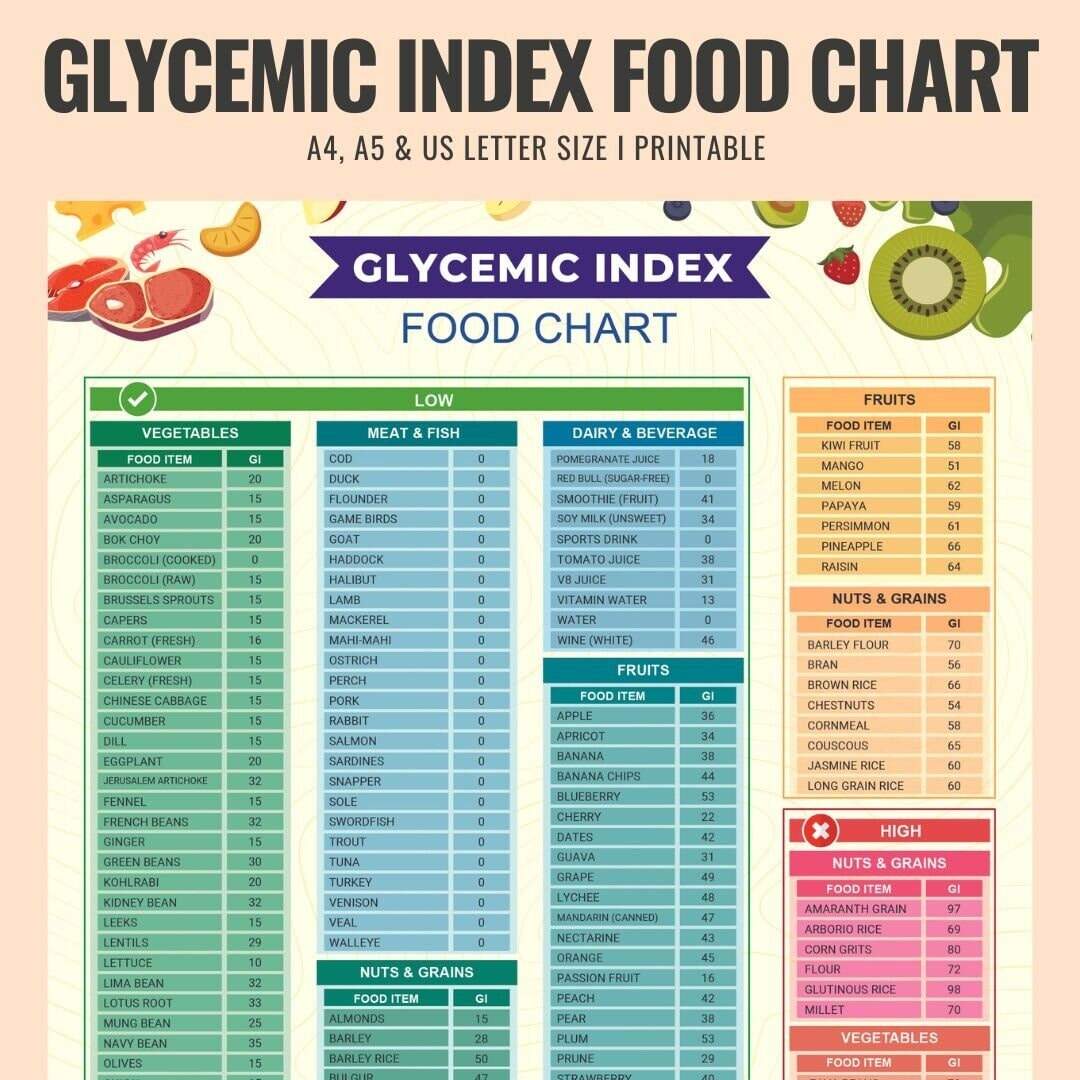
Glycemic Index Foods List At A Glance Pdf PRINTABLE DOWNLOAD Patient Education Glycemic Cheat Sheet Food For Low GI Diet Glycemic Etsy
In conclusion, a glycemic index printable chart is a valuable resource for anyone looking to manage their blood sugar levels effectively. By understanding the glycemic index, utilizing a chart to guide food choices, and learning how to interpret the values, individuals can take a significant step towards maintaining healthy blood sugar levels and reducing the risk of diabetes-related complications. With the right information and tools, managing blood sugar has never been easier.
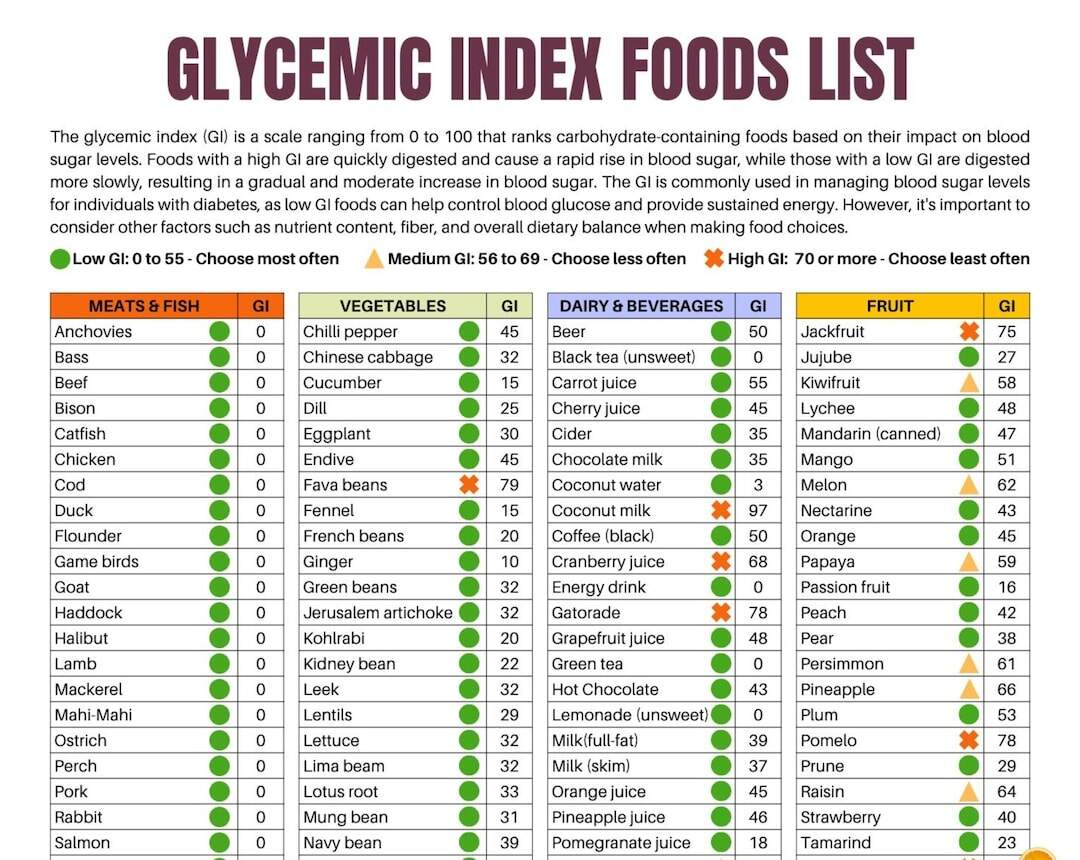
Glycemic Index Food List Printable Patient Education PDF Download Etsy
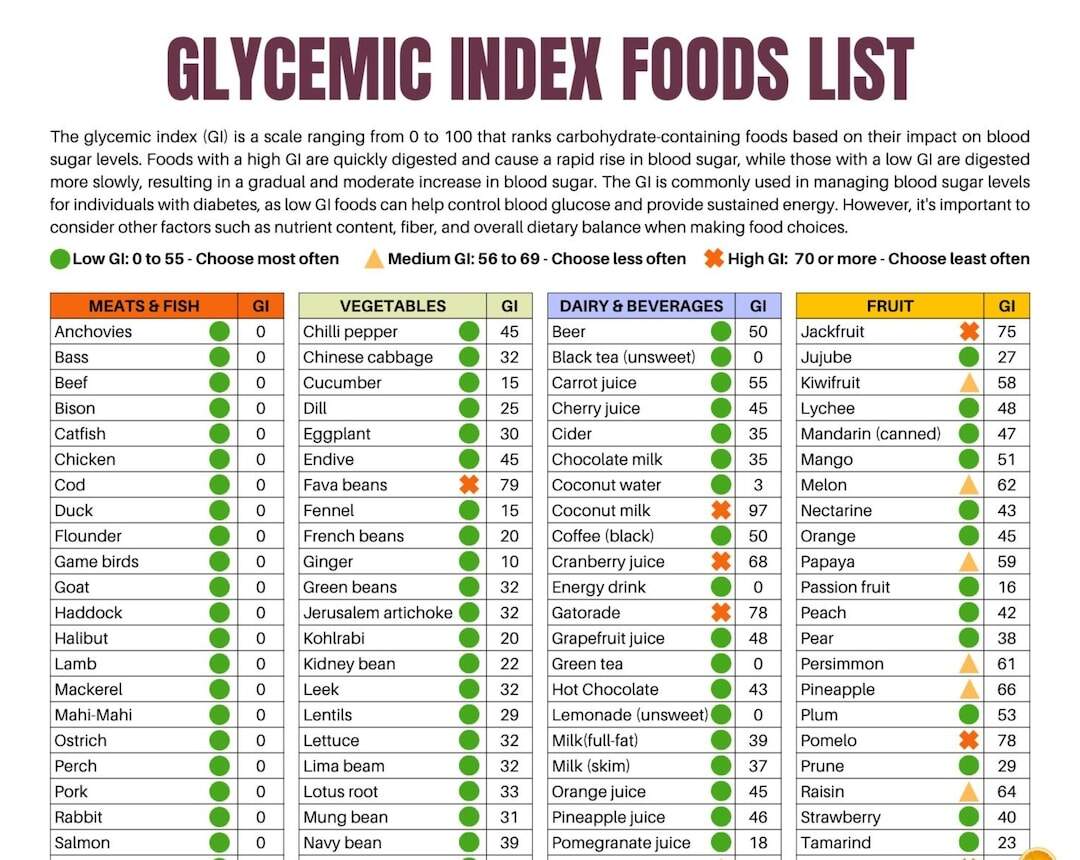
Glycemic Index Food List Printable Patient Education PDF Download Etsy