The opioid epidemic has become a major public health concern in recent years, with devastating consequences for individuals, families, and communities. The crisis has been fueled by the overprescription of opioid painkillers, as well as the rise of illicit opioid use. As a result, the number of opioid-related deaths has skyrocketed, with tens of thousands of lives lost each year. To combat this epidemic, it’s essential to understand the scope of the problem and to identify effective solutions.
One of the most effective ways to understand the opioid epidemic is through data visualization. Printable statistics charts and graphs can help to illustrate the key trends and patterns in opioid abuse, making it easier to communicate the issue to others. By examining the data, we can see that the opioid epidemic is a complex problem with many contributing factors, including socioeconomic disparities, lack of access to healthcare, and aggressive marketing by pharmaceutical companies. By analyzing these factors, we can develop targeted strategies to address the crisis and save lives.
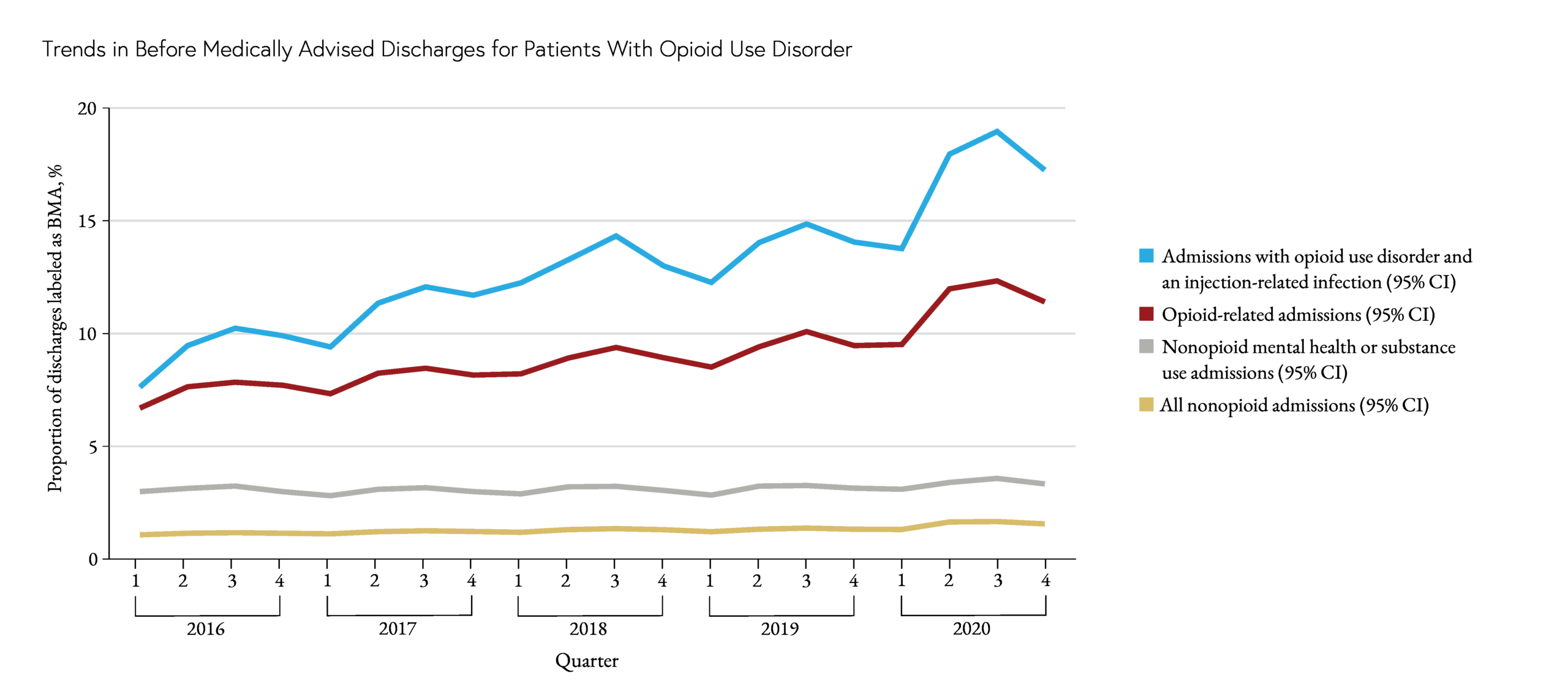
Rates Of Patients With Opioid Use Disorder Leaving Hospital Penn LDI
The Alarming Rise of Opioid-Related Deaths
The alarming rise of opioid-related deaths is a stark reminder of the urgency of the crisis. According to recent statistics, more than 47,000 people died from opioid overdoses in 2017 alone. This represents a staggering increase of over 500% since 1999. The majority of these deaths were caused by prescription opioids, such as oxycodone and hydrocodone, although the use of illicit opioids like heroin and fentanyl is also on the rise. By examining these statistics, we can see the devastating impact of the opioid epidemic and the need for immediate action to address it.
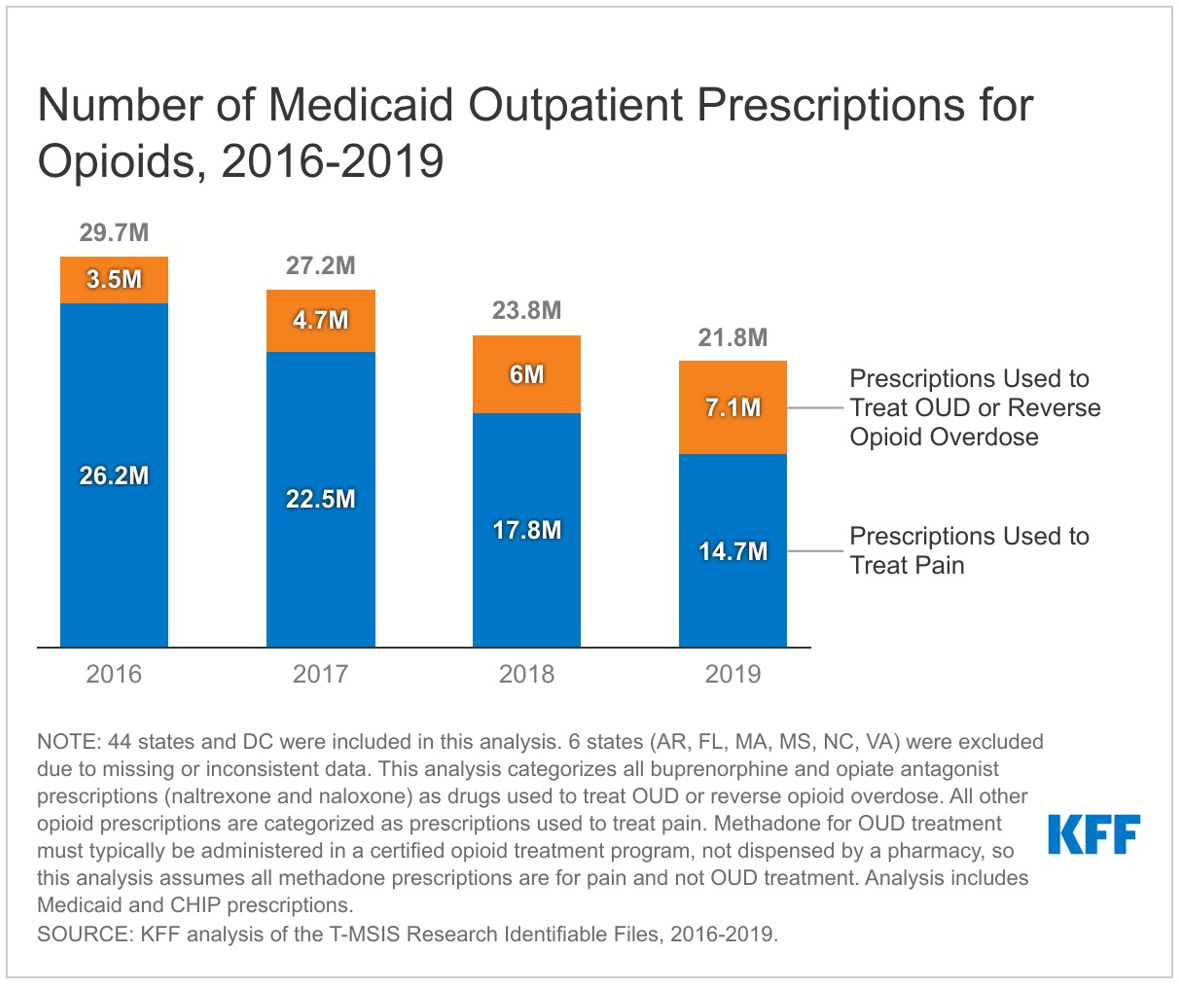
A Look At Changes In Opioid Prescribing Patterns In Medicaid From 2016 To 2019 KFF
Key Statistics and Trends in Opioid Abuse
Key statistics and trends in opioid abuse can help to inform our response to the crisis. For example, we know that opioid abuse affects certain demographics disproportionately, including young adults, rural communities, and individuals with mental health disorders. We also know that the majority of people who become addicted to opioids are initially prescribed them for legitimate medical purposes, such as pain management. By understanding these trends, we can develop targeted interventions to prevent opioid abuse and to support those who are struggling with addiction.
Using Printable Charts and Graphs to Raise Awareness
Using printable charts and graphs to raise awareness about the opioid epidemic can be a powerful tool in the fight against this crisis. By visualizing the data, we can communicate complex information in a clear and concise way, making it easier to engage others in the conversation. We can also use these visualizations to track progress over time, identifying areas where our efforts are succeeding and where we need to do more. Whether you’re a healthcare provider, a community leader, or simply a concerned citizen, printable statistics charts and graphs can help you to make a difference in the fight against the opioid epidemic.
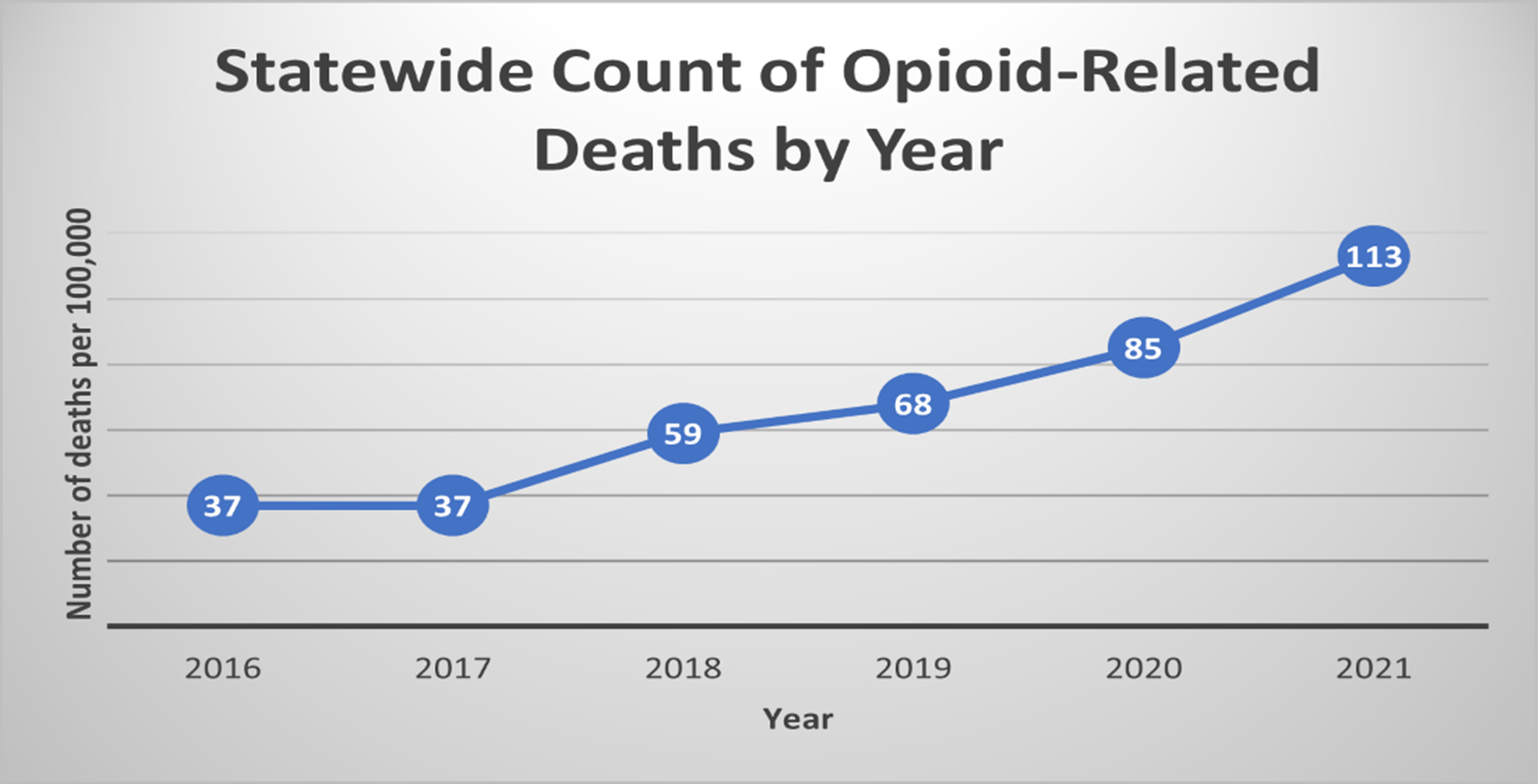
Opioid Use Misuse In Older Adults Extension Family Human Development Montana State University
In conclusion, the opioid epidemic is a complex and multifaceted crisis that requires a comprehensive response. By examining the data and using printable statistics charts and graphs to raise awareness, we can develop effective strategies to address the crisis and save lives. Whether you’re looking to educate yourself, inform others, or advocate for change, these visualizations can be a powerful tool in the fight against the opioid epidemic. Together, we can make a difference and create a safer, healthier future for all.
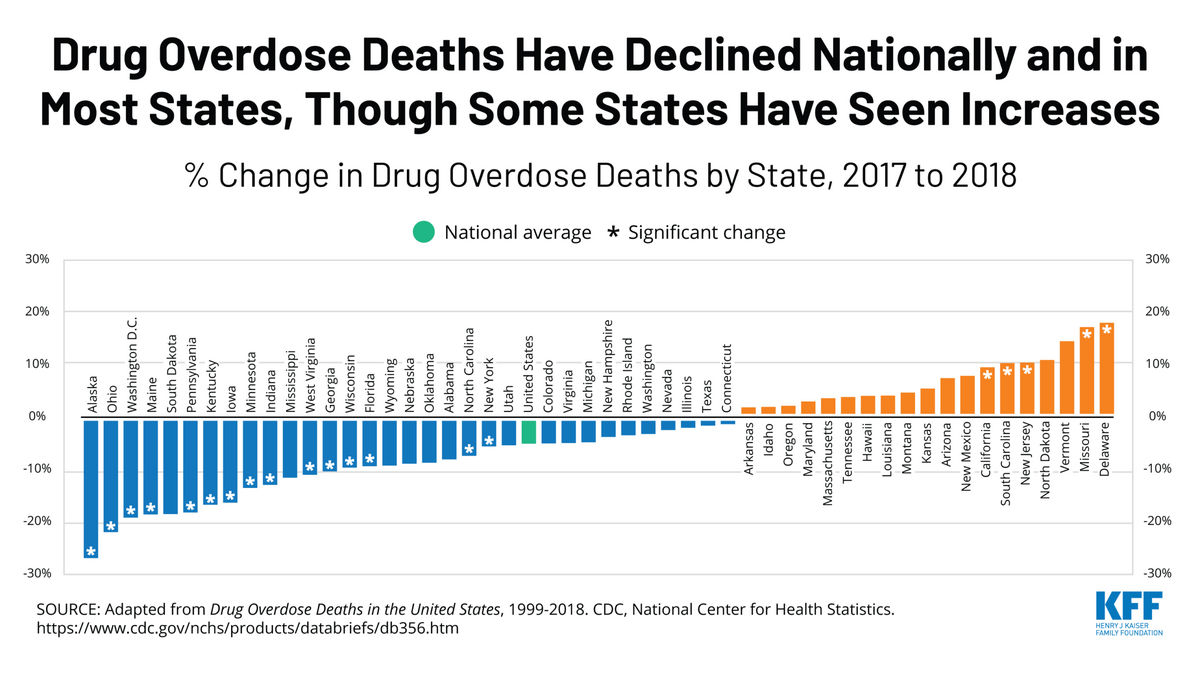
Drug Overdose Deaths Have Declined Nationally And In Most States Though Some States Have Seen Increases KFF
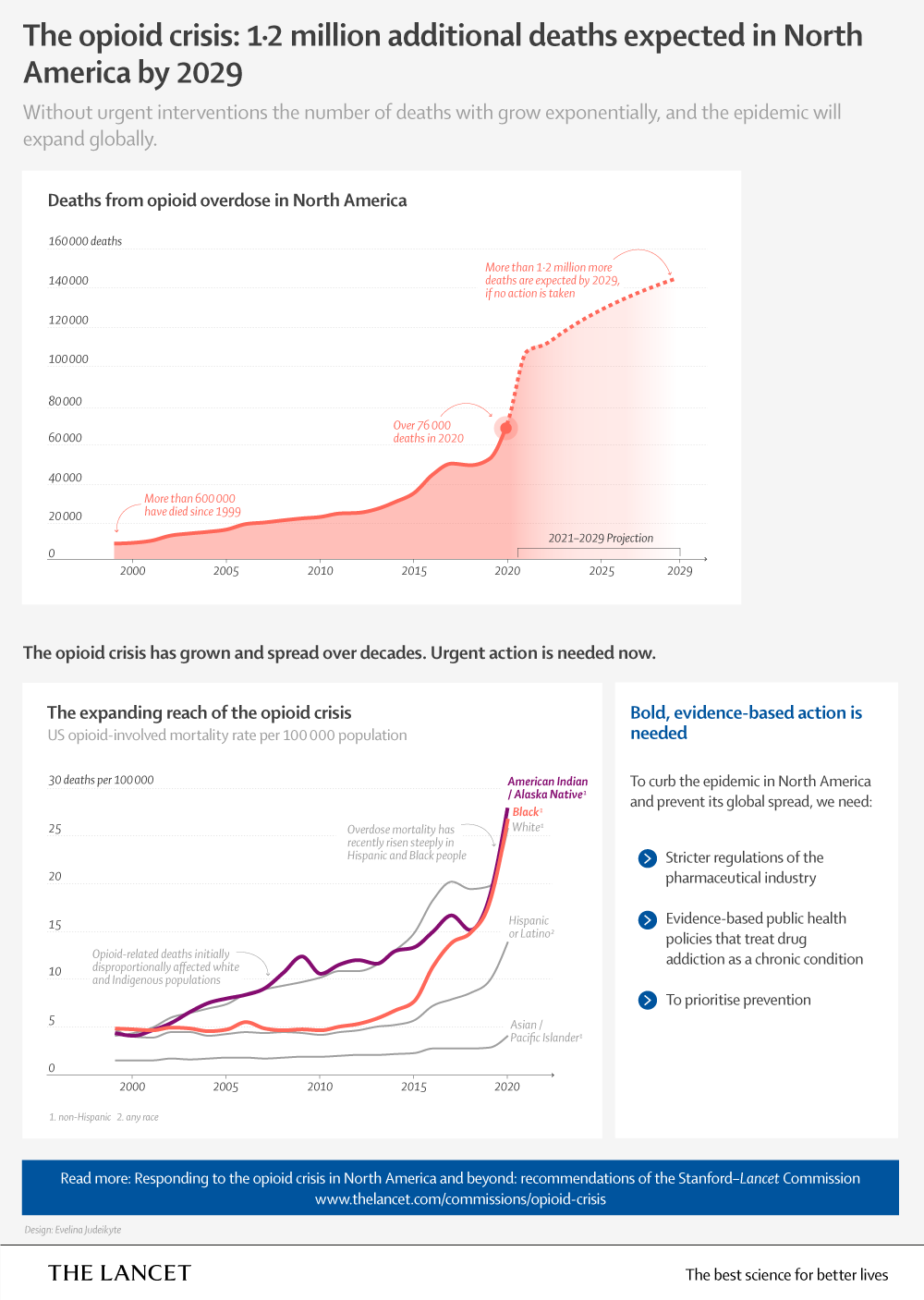
The Opioid Crisis In North America