The Thrass Chart has become an indispensable tool in the realm of literacy education. It’s a phonemic awareness chart that helps learners of all ages develop their reading and spelling skills by visually representing the relationship between sounds and letters. This innovative approach has gained popularity worldwide due to its simplicity and effectiveness. By using a Thrass Chart, individuals can better understand how sounds are connected to letters, thereby improving their overall literacy.
For educators and parents, having access to a Thrass Chart Printable can be a game-changer. It allows them to create customized learning materials tailored to the specific needs of their students or children. The printable nature of the chart means it can be easily distributed, posted in classrooms, or used in one-on-one tutoring sessions. Moreover, the ability to print the chart as needed reduces reliance on digital devices, making learning more engaging and interactive.
English Phonics Chart Programme THRASS
What is a Thrass Chart?
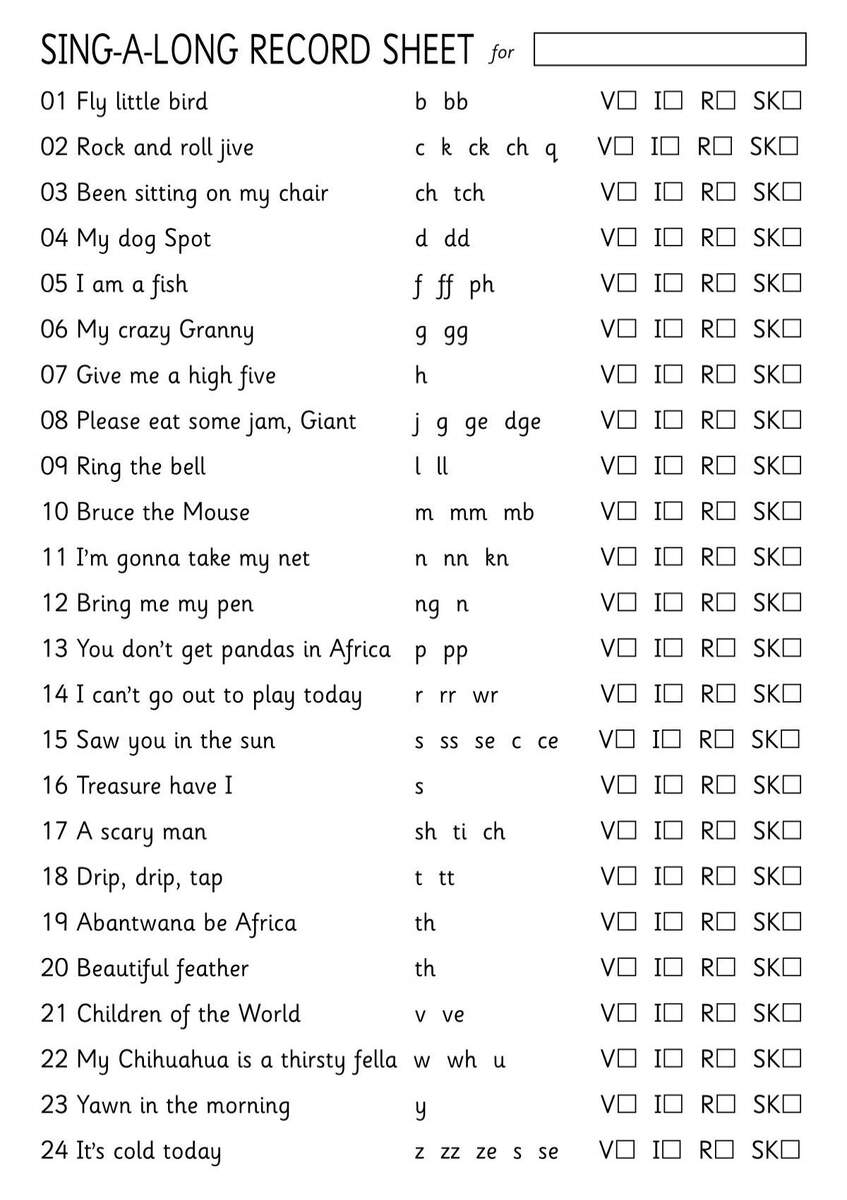
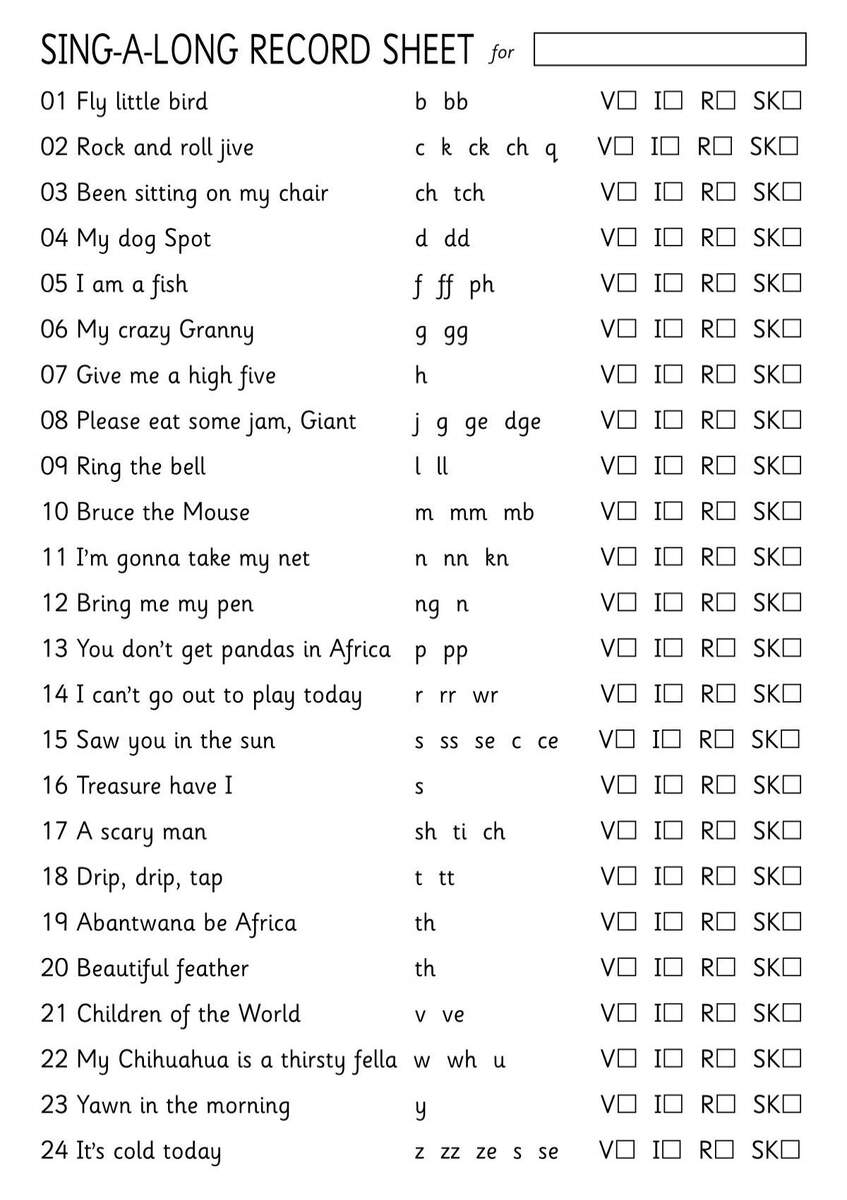
A Thrass Chart is essentially a visual aid designed to help learners recognize and remember the sounds of letters and letter combinations. It’s typically organized in a grid format, with sounds on one axis and the corresponding letters or letter combinations on the other. This layout enables users to quickly identify patterns and relationships between sounds and letters, facilitating a deeper understanding of phonetics and phonics. The chart is particularly useful for teaching children the fundamentals of reading and spelling, as well as for assisting individuals with dyslexia or other learning difficulties.
English Phonics Chart Programme THRASS
Benefits of Using a Thrass Chart Printable
The benefits of using a Thrass Chart Printable are multifaceted. Firstly, it enhances phonemic awareness, which is the ability to hear and manipulate individual sounds within words. This skill is crucial for reading and spelling, as it allows learners to decode words more accurately. Secondly, the chart promotes a systematic approach to learning, helping students to organize and retain information more effectively. Finally, the visual nature of the chart makes learning more engaging and fun, reducing the likelihood of learners becoming bored or disenchanted with the learning process.
How to Use a Thrass Chart Printable Effectively
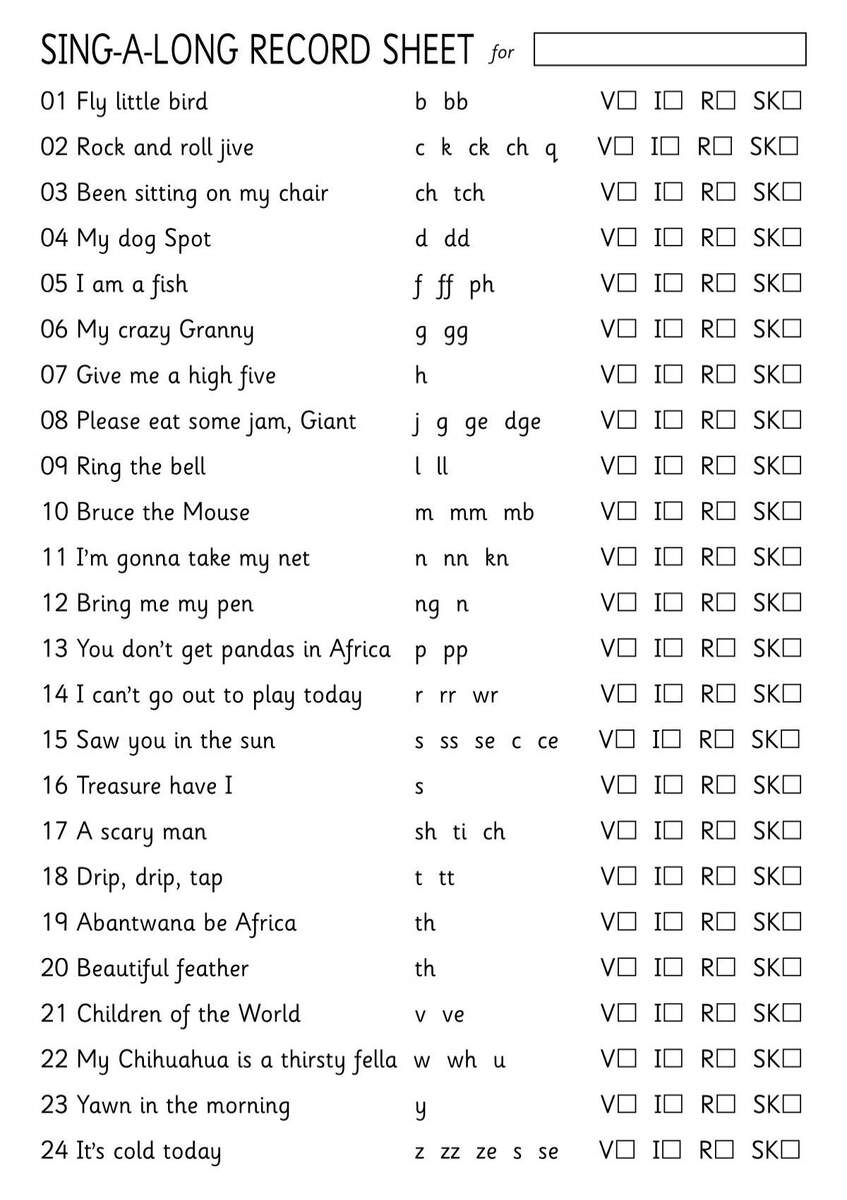
To use a Thrass Chart Printable effectively, it’s essential to integrate it into a broader learning strategy. Educators can use the chart as a teaching tool, guiding students through the process of sounding out words and identifying letter patterns. Learners can also use the chart independently, practicing their phonemic awareness and spelling skills in a self-directed manner. Additionally, the chart can be used in conjunction with other learning materials, such as worksheets and activity sheets, to create a comprehensive and engaging learning experience.
English Phonics Chart Programme THRASS
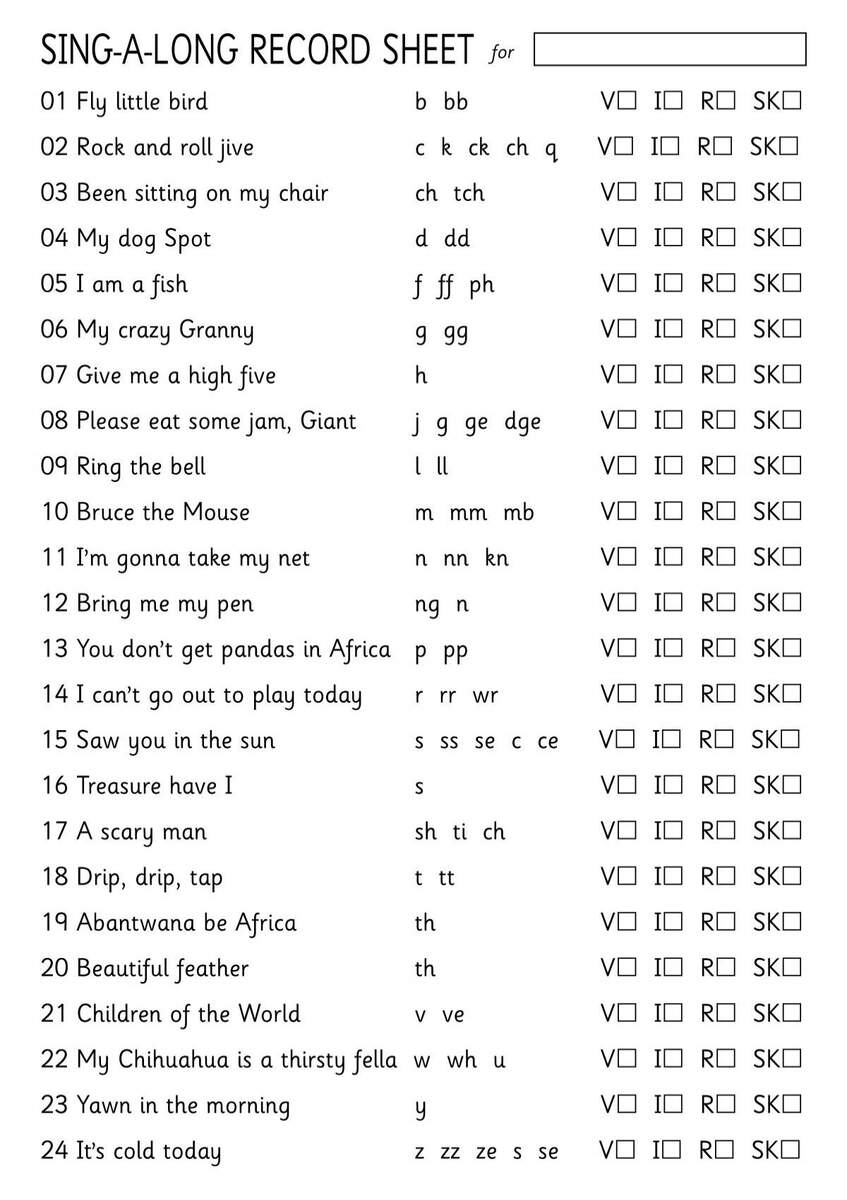
In conclusion, the Thrass Chart Printable is a valuable resource for anyone involved in literacy education. Its ability to visually represent the relationship between sounds and letters makes it an indispensable tool for teaching reading and spelling skills. By understanding how to use the chart effectively and incorporating it into a broader learning strategy, educators and learners can unlock the full potential of this powerful learning aid. Whether you’re a teacher, parent, or learner, the Thrass Chart Printable is definitely worth exploring.
English Phonics Chart Programme THRASS
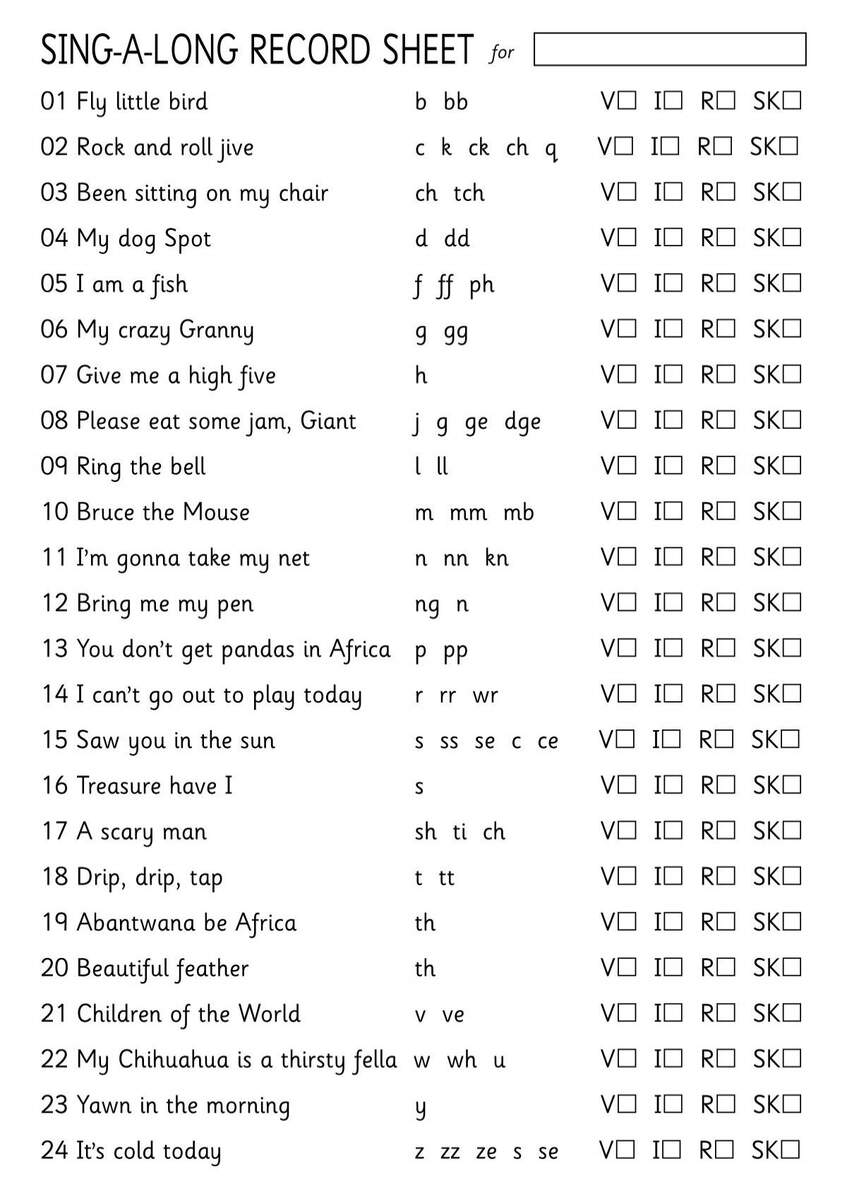
English Phonics Chart Programme THRASS