Cooking oils are a staple in every kitchen, but have you ever wondered what makes them tick? The smoke point of cooking oils is a crucial factor to consider when choosing the right oil for your recipe. The smoke point refers to the temperature at which an oil begins to break down and smoke, affecting the flavor and nutritional value of your dish. With so many cooking oils available, it can be overwhelming to decide which one to use.
From olive oil to avocado oil, each type of oil has its unique characteristics, flavor profile, and smoke point. Understanding the smoke point of cooking oils is essential to ensure that you’re using the right oil for your cooking method. Whether you’re sautéing, roasting, or frying, using an oil with a high smoke point can make all the difference in the world. In this article, we’ll delve into the world of cooking oils and explore the importance of smoke point.
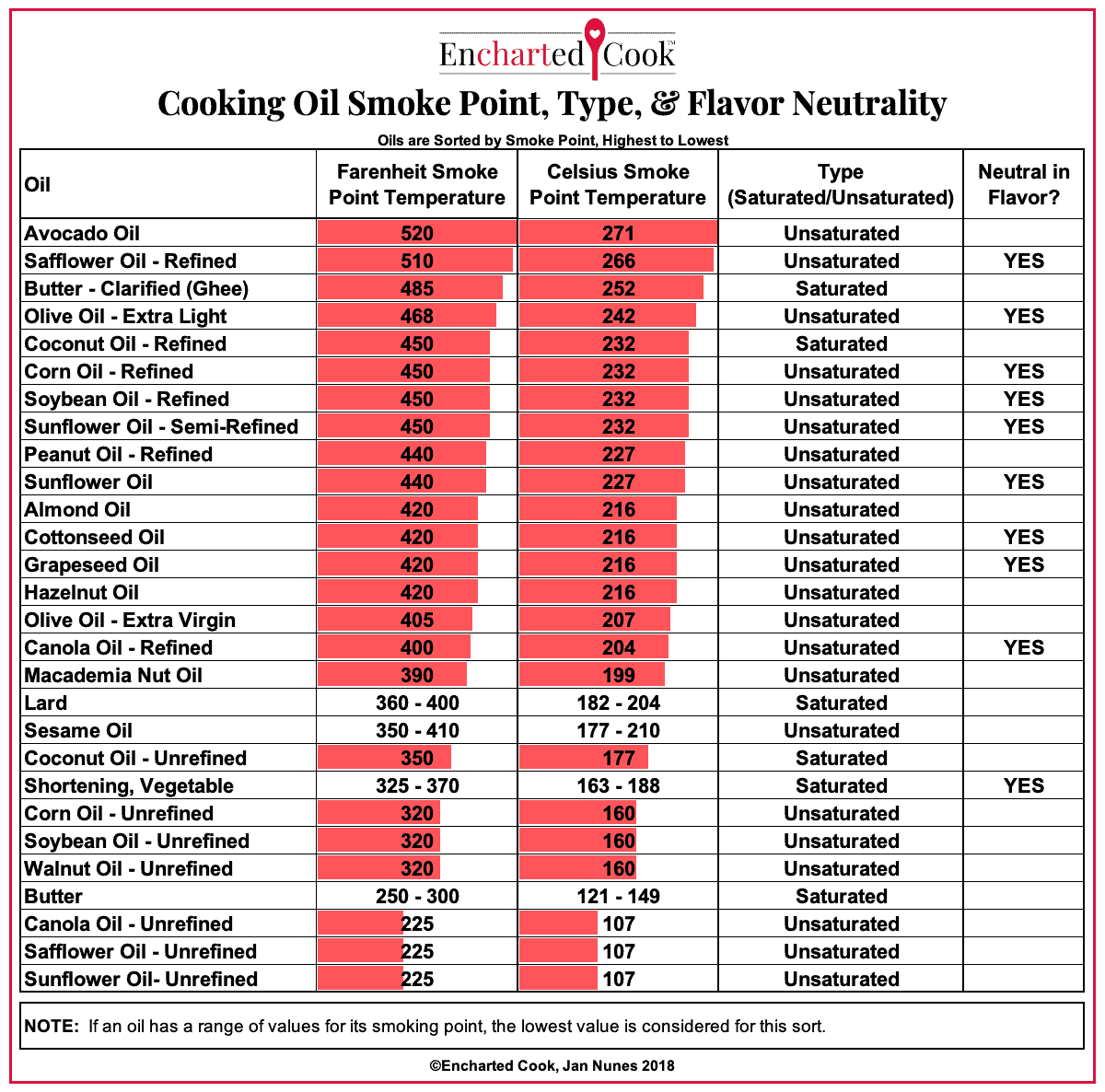
Cooking Oil Smoke Points And Flavor Neutrality Chart Encharted Cook
Understanding Smoke Point
The smoke point of cooking oils is a critical factor to consider when cooking. Oils with a high smoke point, such as avocado oil and grapeseed oil, are ideal for high-heat cooking methods like frying and sautéing. On the other hand, oils with a low smoke point, like olive oil and flaxseed oil, are better suited for low-heat cooking methods or used as a finishing oil. Understanding the smoke point of cooking oils can help you choose the right oil for your recipe and ensure that your dish turns out delicious and healthy.
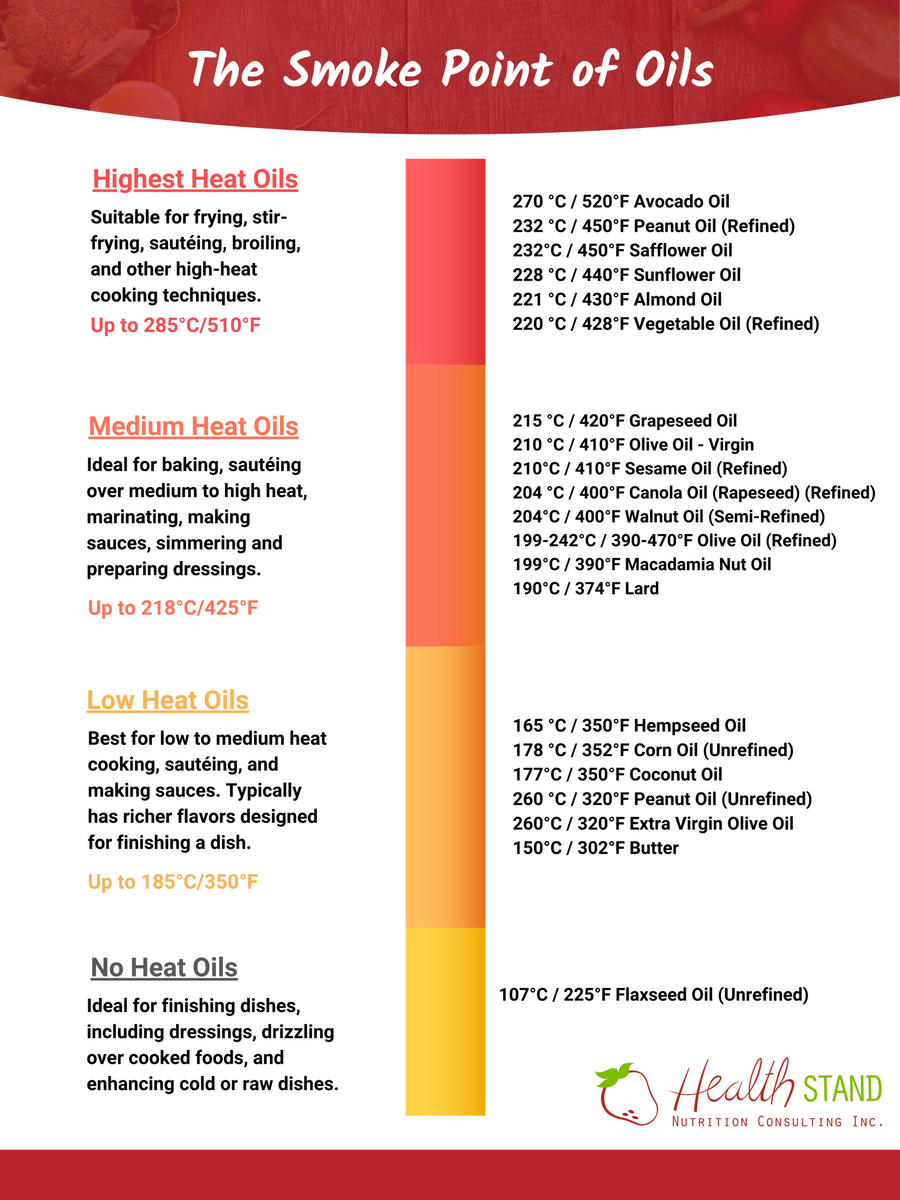
The Smoke Point Of Oils Which Cooking Oil For What
Choosing the Right Oil
Choosing the right oil for your recipe can be a daunting task, especially with so many options available. However, by considering the smoke point of cooking oils, you can narrow down your options and make an informed decision. For example, if you’re making a salad dressing, you may want to use an oil with a mild flavor and a low smoke point, like olive oil or walnut oil. On the other hand, if you’re frying chicken, you’ll want to use an oil with a high smoke point, like peanut oil or vegetable oil.
Printable Chart for Easy Reference
Having a printable chart of the smoke point of cooking oils can be a valuable resource in the kitchen. With a quick glance, you can determine the smoke point of your favorite cooking oils and make informed decisions about which oil to use. Our smoke point of cooking oils printable chart includes a comprehensive list of common cooking oils, their smoke points, and recommended uses. Whether you’re a professional chef or a home cook, this chart is a must-have for anyone who wants to cook with confidence and creativity.
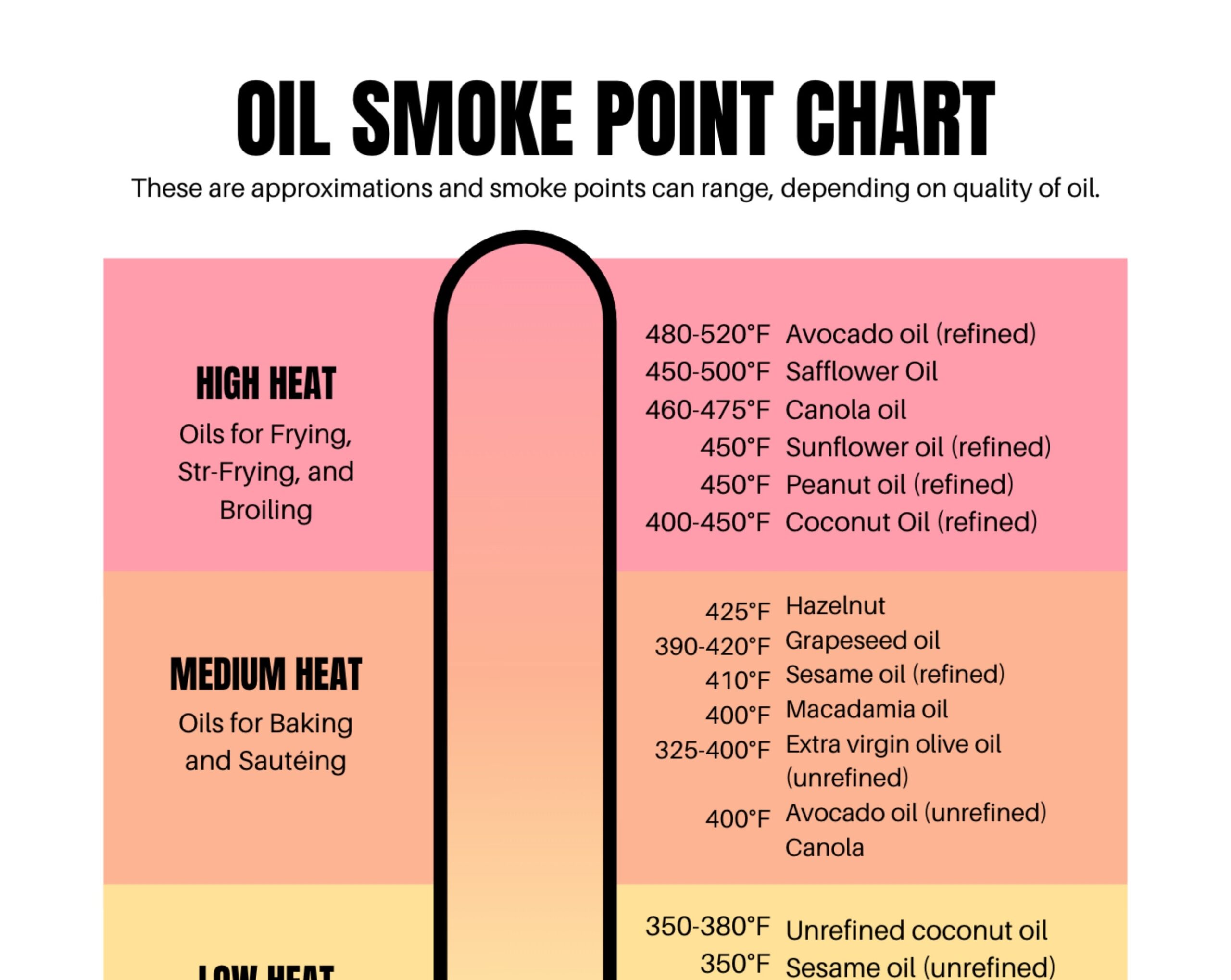
Oil Smoke Point Chart Kitchen Cooking Guide Digital Download Etsy
In conclusion, understanding the smoke point of cooking oils is essential for any cook who wants to produce delicious and healthy dishes. By choosing the right oil for your recipe and cooking method, you can ensure that your food turns out flavorful and nutritious. With our smoke point of cooking oils printable chart, you’ll have a valuable resource at your fingertips to help you make informed decisions about cooking oils. So why not download our chart today and start cooking with confidence?
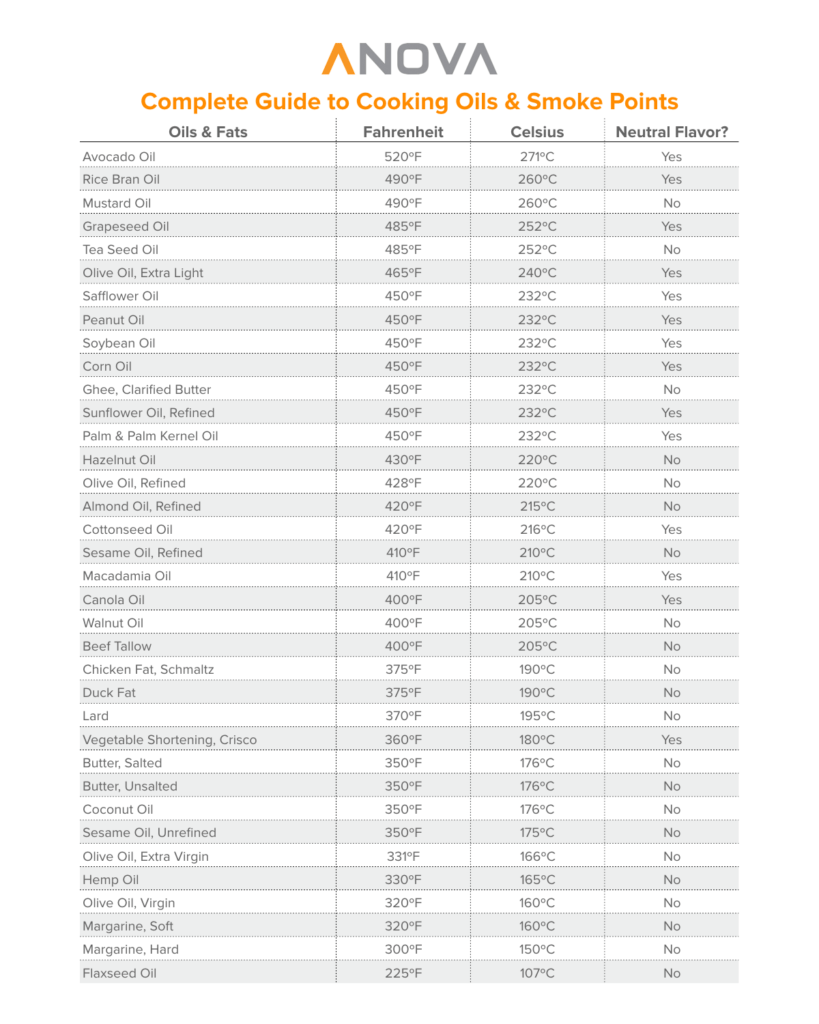
The Anova Overview To Cooking Oils Smoke Points Anova Culinary
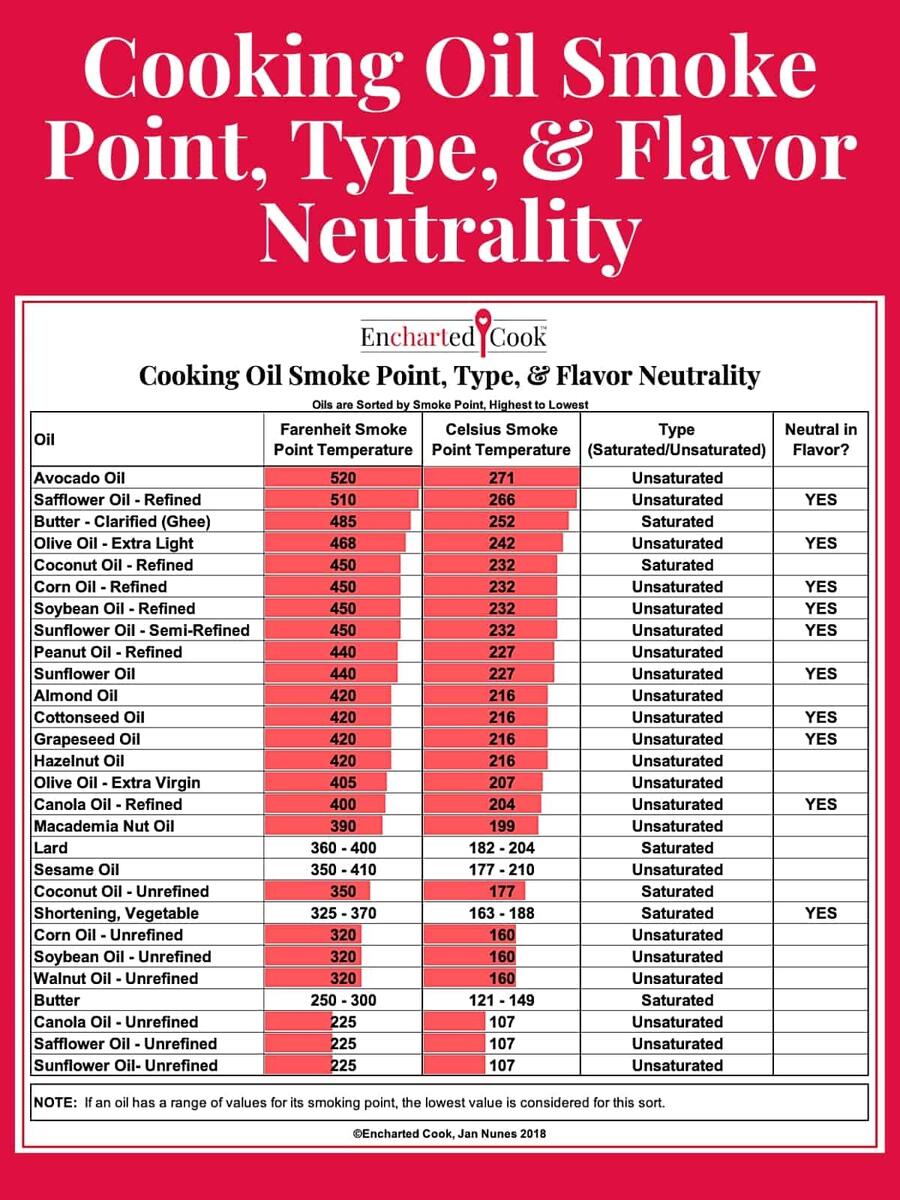
Cooking Oil Smoke Points And Flavor Neutrality Chart Encharted Cook