Teaching literary devices such as similes and metaphors can be a challenging but rewarding experience for both educators and students. These figures of speech not only add depth and complexity to language but also help in creating vivid imagery, making texts more engaging and memorable. For students to fully grasp these concepts, it’s essential to have the right teaching tools. Among the most effective tools are free printable anchor charts, designed to provide a clear, visual representation of similes and metaphors, facilitating a deeper understanding of their differences and applications.
Anchor charts have long been recognized as valuable educational resources. They offer a straightforward, interactive way to present information, making complex concepts more accessible to students of all learning styles. When it comes to similes and metaphors, anchor charts can highlight the distinctive characteristics of each, illustrating how they compare and contrast. This visual approach can significantly enhance the learning experience, making it more engaging and effective. Moreover, the fact that these resources are available in a free, printable format makes them accessible to a wide range of educators and learners, regardless of their budget constraints.
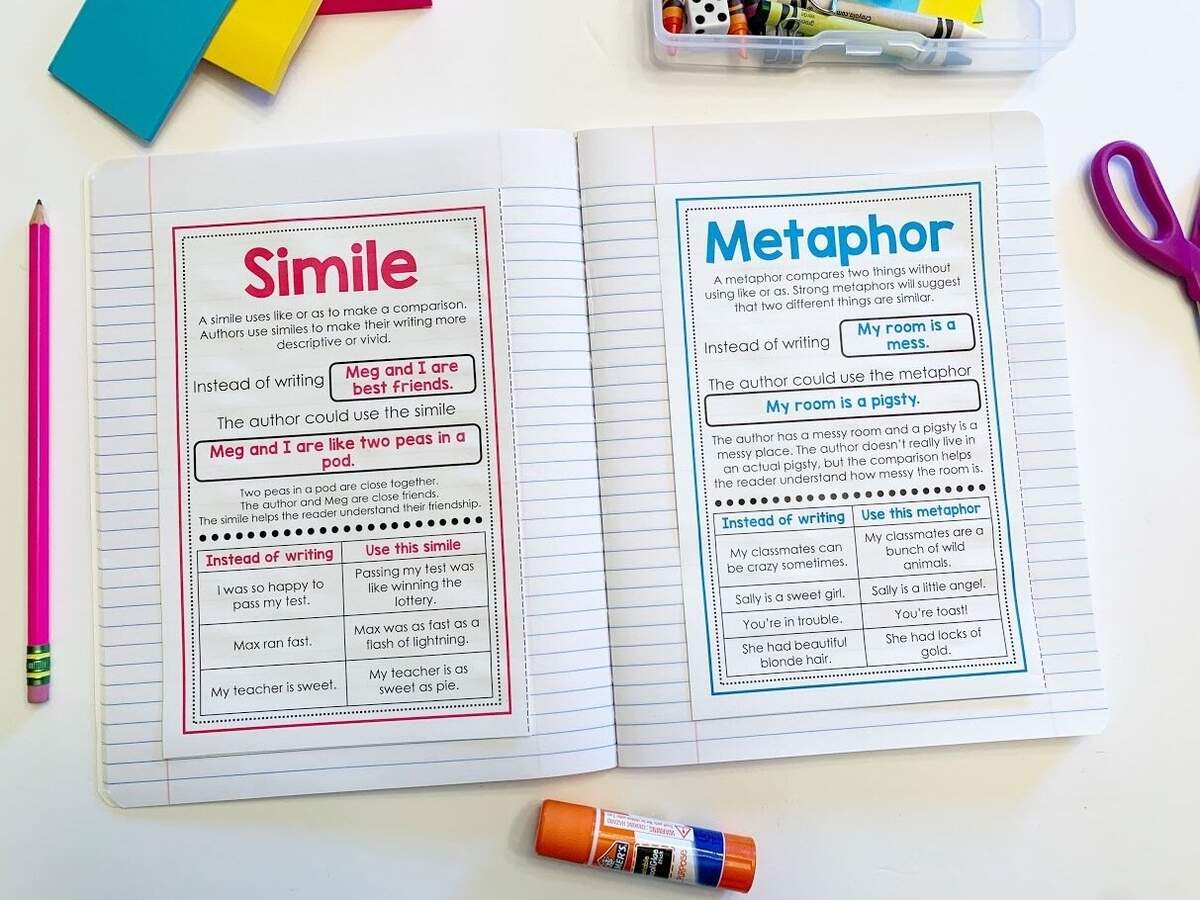
5 Student Friendly Tips For Teaching Figurative Language
Understanding Similes and Metaphors
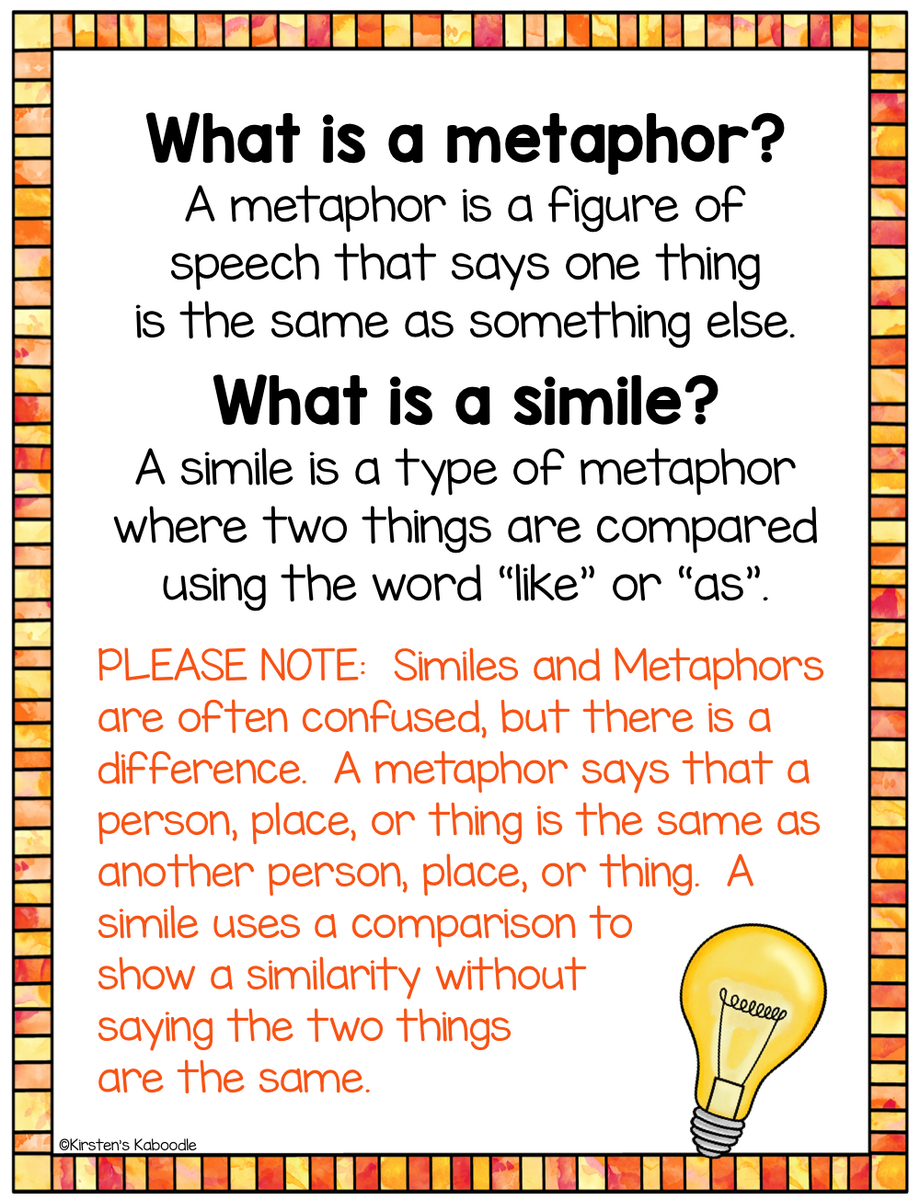
Similes and metaphors are fundamental elements in literature and language, serving to enrich expressions and convey meanings in a more evocative manner. Similes compare two different things using ‘like’ or ‘as’ to make the comparison, while metaphors state that one thing is another, in order to illustrate a connection or similarity between them. Understanding the distinction between these literary devices is crucial for effective communication and comprehension of texts. Free printable anchor charts can play a pivotal role in this educational process, offering clear definitions, examples, and illustrations that help students grasp when and how to use similes and metaphors appropriately.
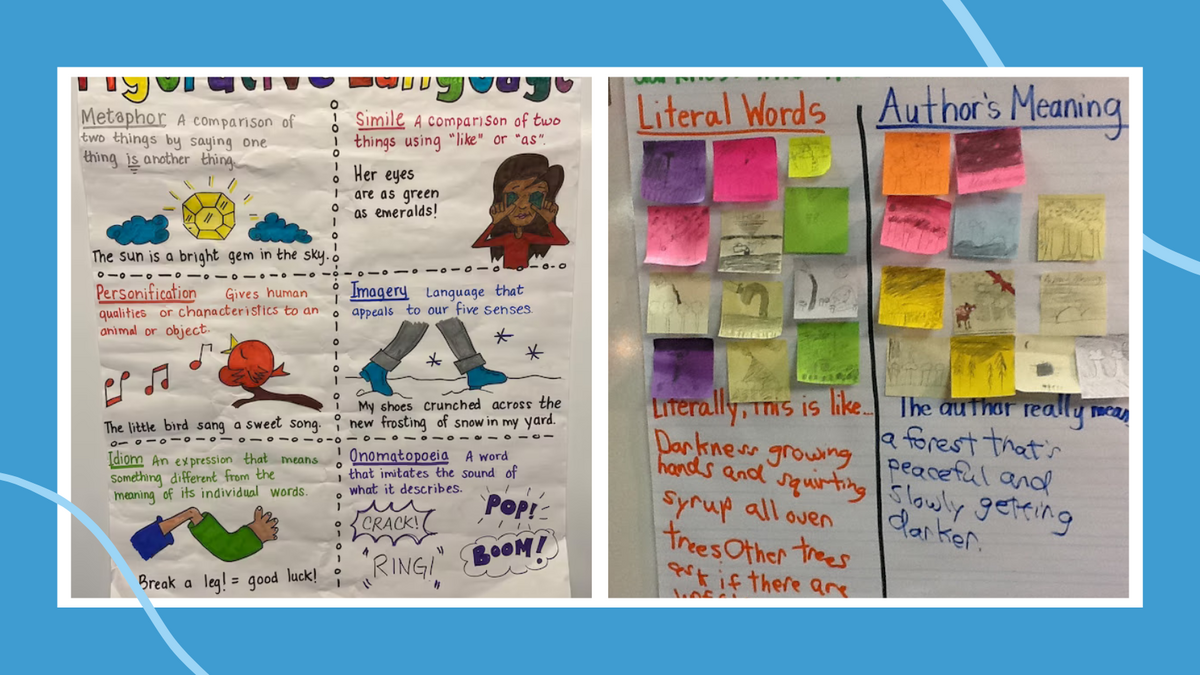
24 Fantastic Figurative Language Anchor Charts
Benefits of Using Anchor Charts
The benefits of incorporating free printable anchor charts into your teaching practice are multifaceted. Not only do they provide a tangible, easy-to-understand reference point for students, but they also encourage active learning and participation. By displaying these charts in the classroom or distributing them among students, educators can foster a collaborative environment where concepts are explored and discussed. Furthermore, anchor charts can be adapted to suit different age groups and learning levels, making them a versatile tool for educators. They can be used as introductory materials, reinforcement tools, or even as a basis for more advanced discussions on literary devices, catering to the diverse needs of the classroom.
How to Effectively Use Free Printable Anchor Charts
To effectively use free printable anchor charts in teaching similes and metaphors, it’s important to integrate them into a comprehensive lesson plan. This might involve introducing the concepts through the anchor charts, followed by examples from literature or everyday language, and concluding with activities that allow students to practice identifying and creating their own similes and metaphors. The interactive nature of anchor charts means they can be used in group work, as handouts for individual study, or even as a component of digital lessons, offering flexibility in how they are utilized. By leveraging these resources, educators can create engaging, informative lessons that leave a lasting impact on their students’ understanding of literary devices.
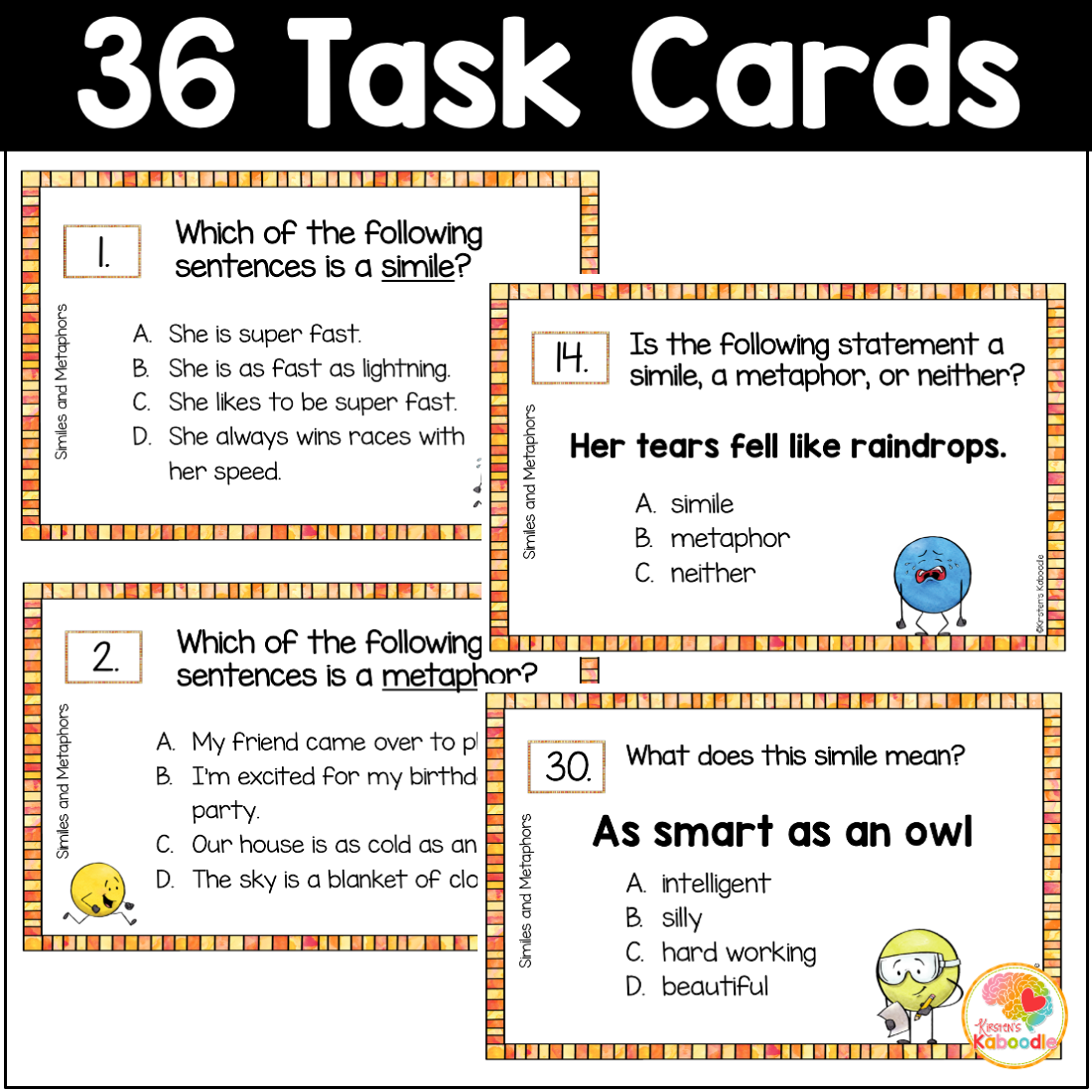
Similes And Metaphors Anchor Charts Task Cards And Worksheets Figurative Language Made By Teachers
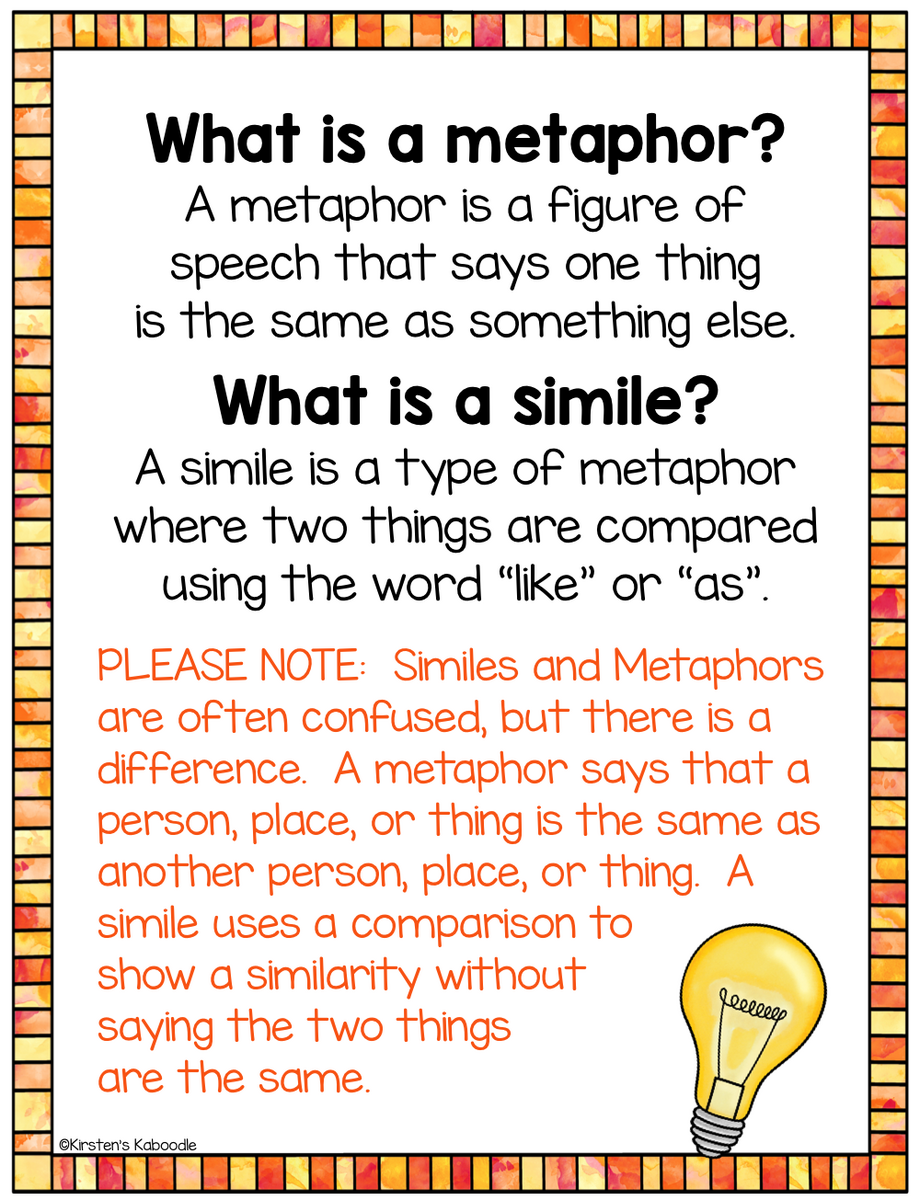
FREE Figurative Language Bell Ringer Warm Ups Made By Teachers
FREE Figurative Language Bell Ringer Warm Ups Made By Teachers