The KWL chart, an acronym for Know, Want to know, and Learned, is a simple yet powerful tool used in educational settings to encourage active learning and engagement. It helps students organize their thoughts and reflect on their learning process by categorizing what they already know about a subject, what they want to learn, and what they have learned after instruction. This method is particularly useful for introducing new topics or reviewing material, as it fosters a deeper understanding and retention of the subject matter.
Educators and students alike have found the KWL chart to be an invaluable resource. By visually mapping out their knowledge and curiosity, students can better track their progress and identify areas where they need more support. This reflective approach to learning not only enhances academic performance but also promotes critical thinking and problem-solving skills. Moreover, the KWL chart’s flexibility allows it to be adapted to various subjects and age groups, making it a versatile tool for any classroom.
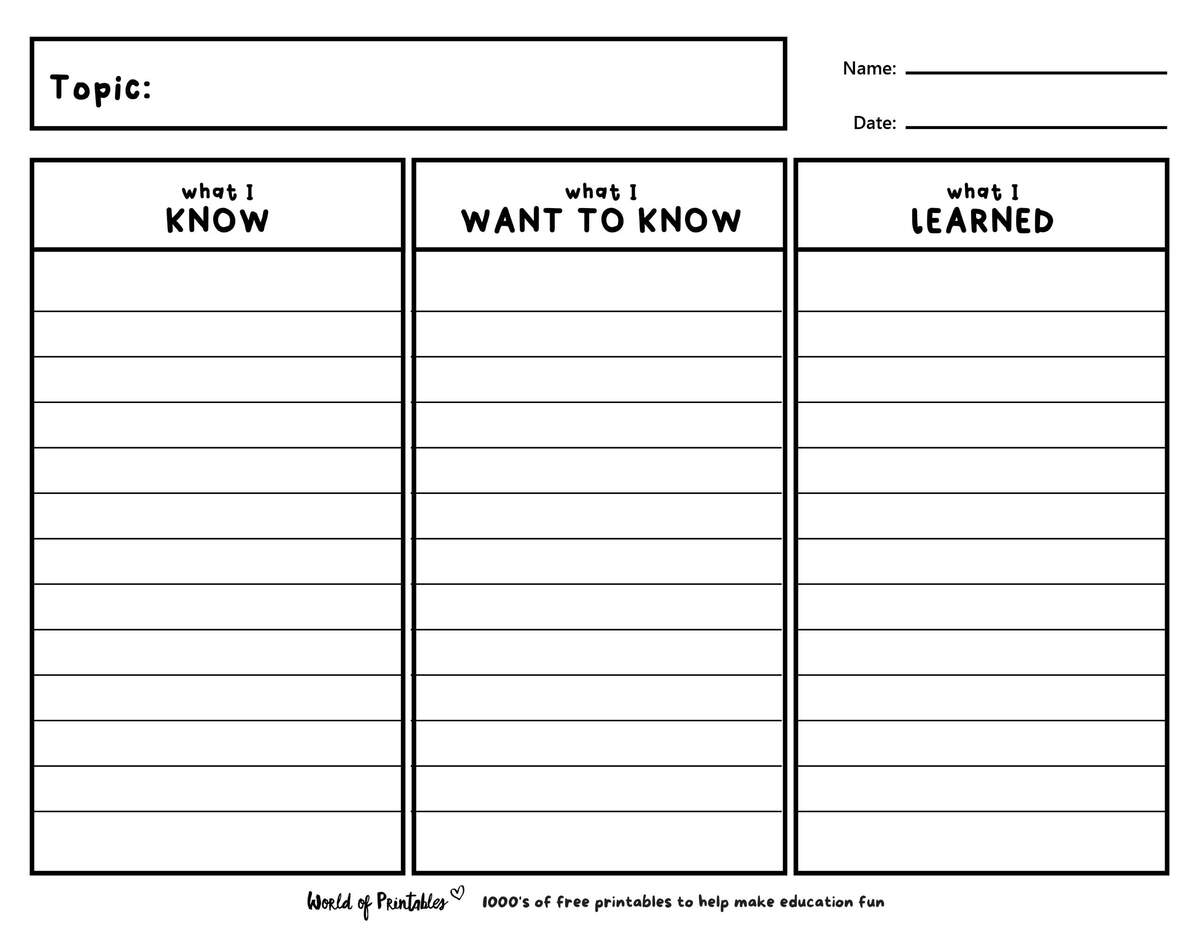
KWL Chart 14 Templates World Of Printables
What is a KWL Chart?
A KWL chart is essentially a graphic organizer that prompts students to think critically about their knowledge and learning objectives. It typically consists of three columns: one for what the student knows about the topic before learning (Know), one for what the student wants to learn about the topic (Want to know), and one for what the student has learned after the instructional activity (Learned). By filling out these columns, students can see their learning journey unfold and reflect on how their understanding of the subject has evolved.
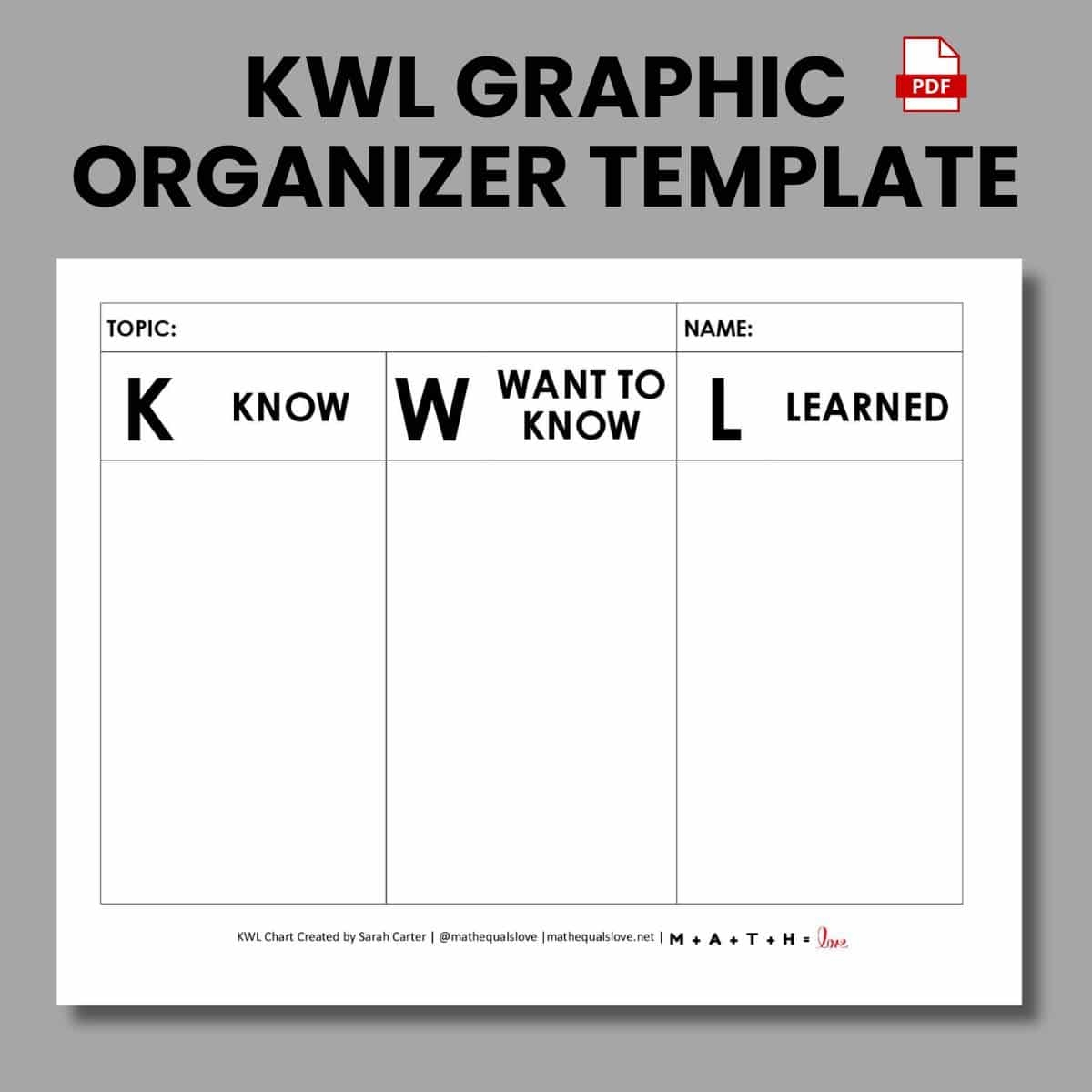
KWL Chart Printable Free PDF Graphic Organizer Template
Benefits of Using KWL Charts
The benefits of using KWL charts are multifaceted. They not only help in assessing prior knowledge and setting learning goals but also in evaluating the effectiveness of the teaching methods used. By looking at what students wanted to know and what they eventually learned, educators can refine their instructional strategies to better meet the needs of their students. Furthermore, KWL charts encourage students to take an active role in their learning, fostering a sense of responsibility and motivation.
How to Implement KWL Charts in Your Classroom
Implementing KWL charts in your classroom can be straightforward and rewarding. Begin by introducing the concept of the KWL chart and explaining its purpose to your students. Then, distribute the KWL chart printables related to the topic you are about to cover. Have students fill out the ‘Know’ and ‘Want to know’ sections before the lesson, and the ‘Learned’ section after. This can be done individually or in groups, depending on your classroom dynamics and the nature of the topic. Encourage students to share their findings and reflections, promoting a collaborative and supportive learning environment.
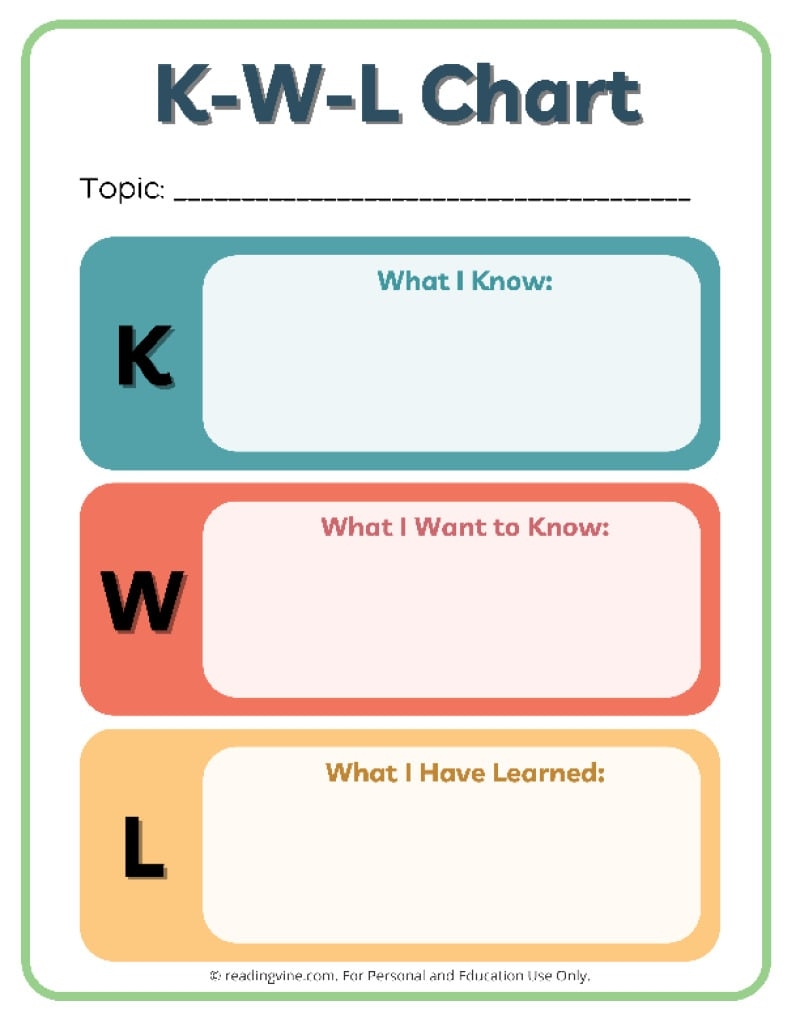
KWL Chart Templates 15 Printable PDFs
For teachers looking to integrate KWL charts into their teaching practices, there are numerous free KWL chart printables available online that can be tailored to fit specific subjects and grade levels. These resources often include blank templates that can be filled out by hand or typed into, offering flexibility and convenience. Whether you’re teaching elementary school students about basic science concepts or helping high school students delve into complex literary analysis, a KWL chart printable can be a valuable addition to your educational toolkit.
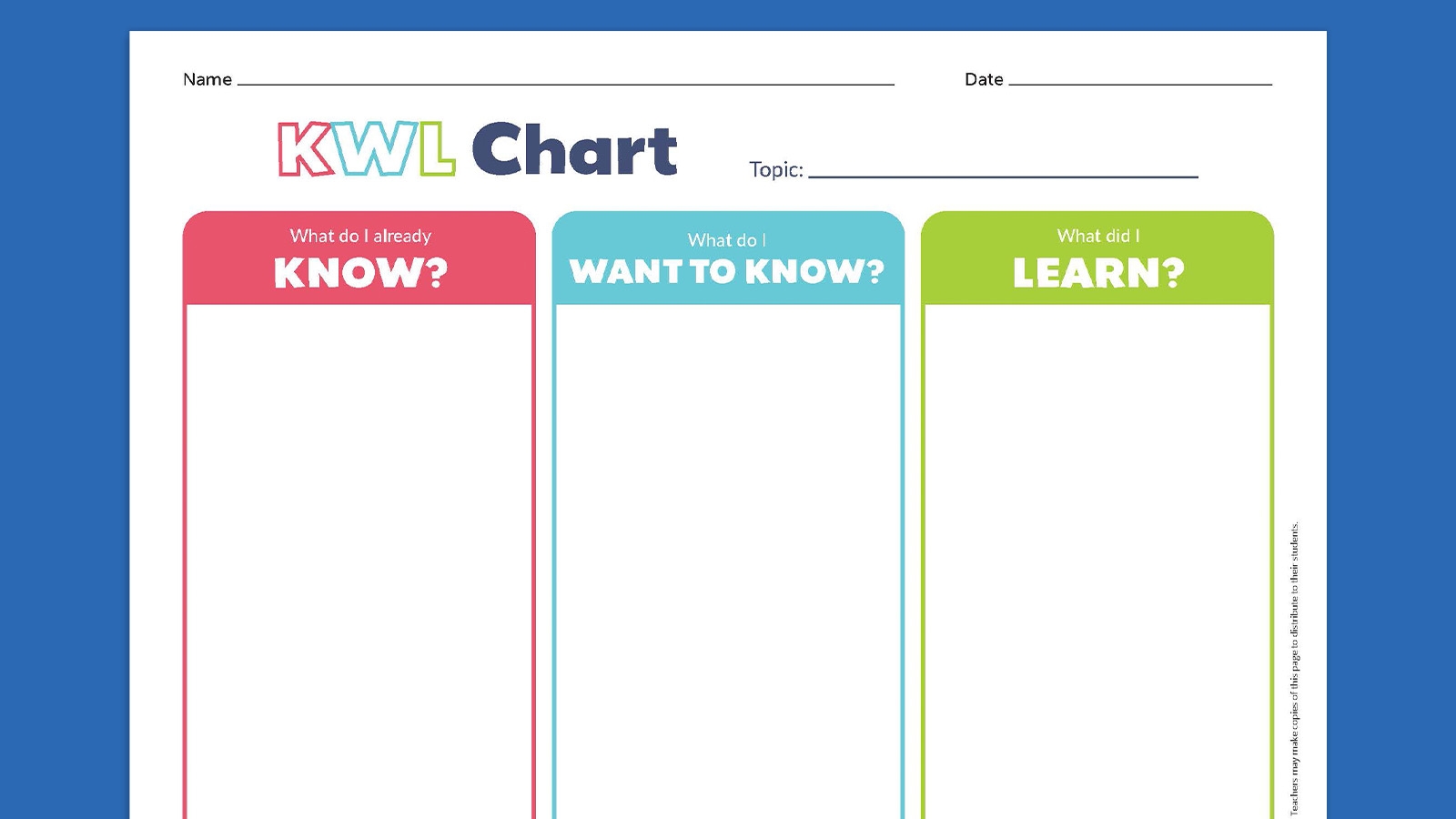
Free KWL Chart Printable Bundle Includes KWLQ And KWHLAQ
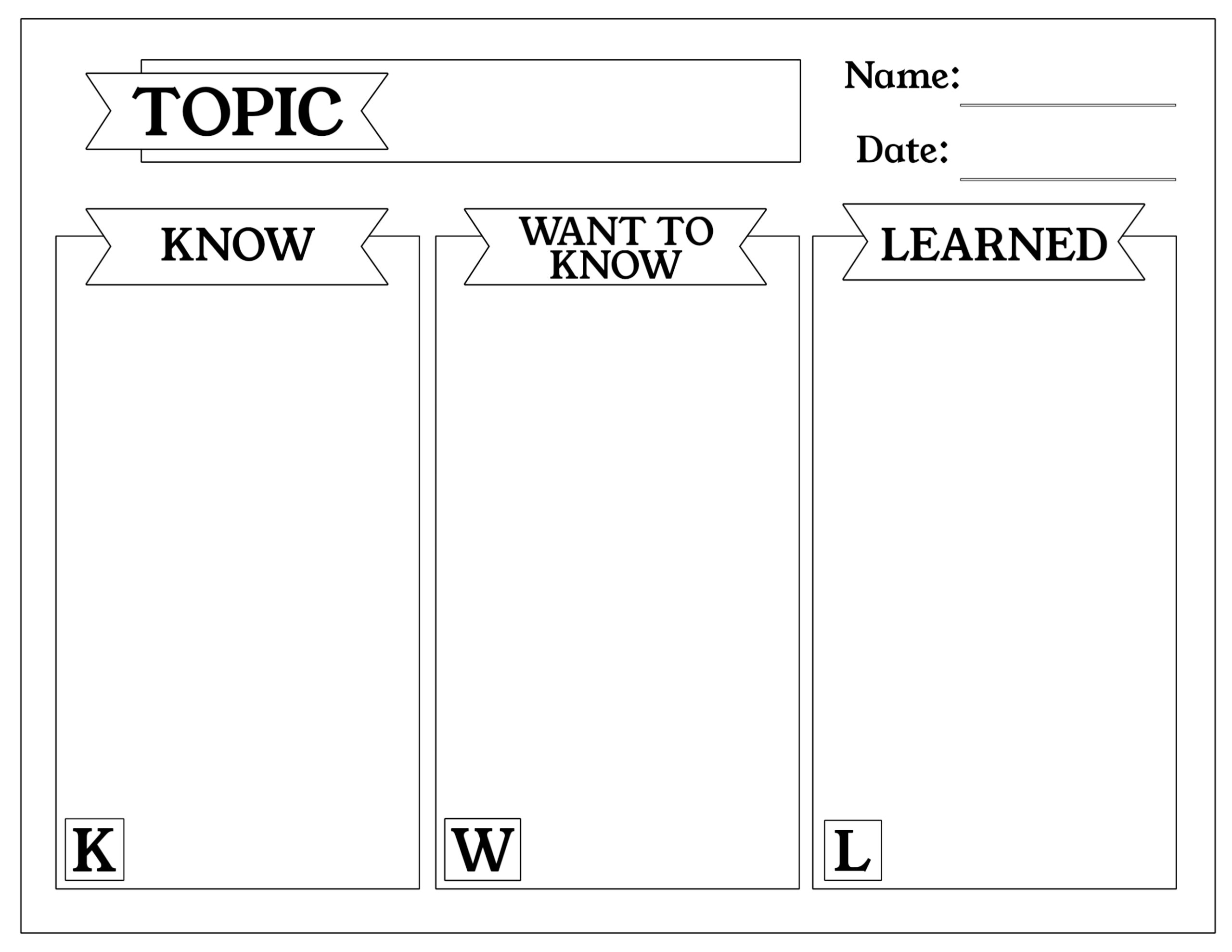
Free KWL Chart Printable Graphic Organizer Paper Trail Design