When it comes to studying minerals, one of the most fascinating aspects is their unique colors. From the deep blues of azurite to the vibrant greens of malachite, each mineral has its own distinct hue. But have you ever wondered how to accurately identify these colors under a microscope? A printable color chart for minerals can be a valuable tool for mineral enthusiasts and researchers alike, providing a quick and easy way to compare and identify the colors of different minerals.
Under a microscope, the colors of minerals can be even more striking, with subtle variations and nuances that can be difficult to describe. That’s where a printable color chart comes in handy. By having a standardized reference guide, you can ensure that your observations are accurate and consistent, whether you’re a student, researcher, or simply a curious enthusiast. With a printable color chart, you can take your mineral studies to the next level and unlock the secrets of these fascinating substances.
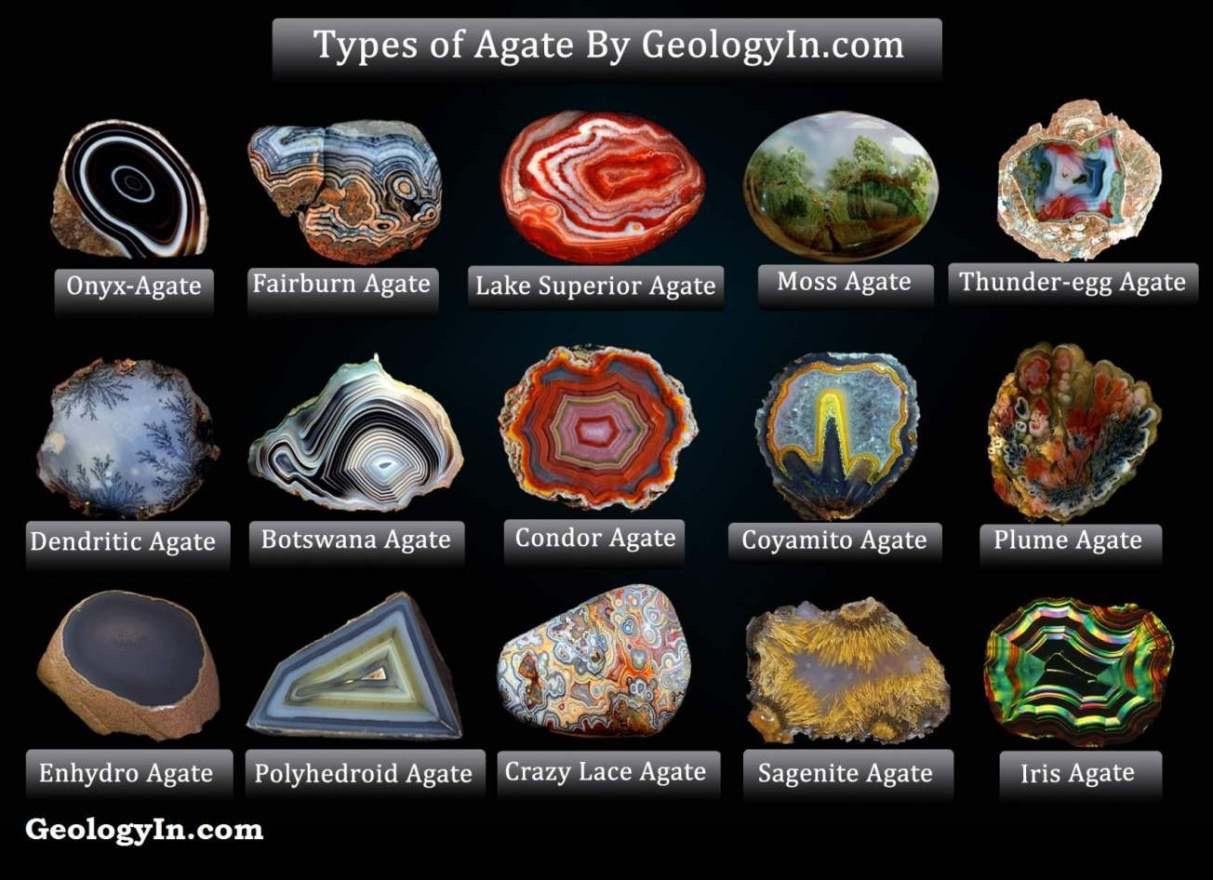
Here Are Some Charts To Help People Identify Common Rocks I Like To Have These Saved In Favorites On My Phone R Whatsthisrock
Understanding Mineral Colors
Mineral colors can be influenced by a variety of factors, including the presence of impurities, the mineral’s crystal structure, and even the lighting conditions under which it is viewed. Understanding these factors is crucial for creating an accurate printable color chart. By studying the optical properties of minerals and how they interact with light, you can develop a chart that accurately reflects the range of colors exhibited by different minerals. This can be a complex task, but the end result is well worth the effort.
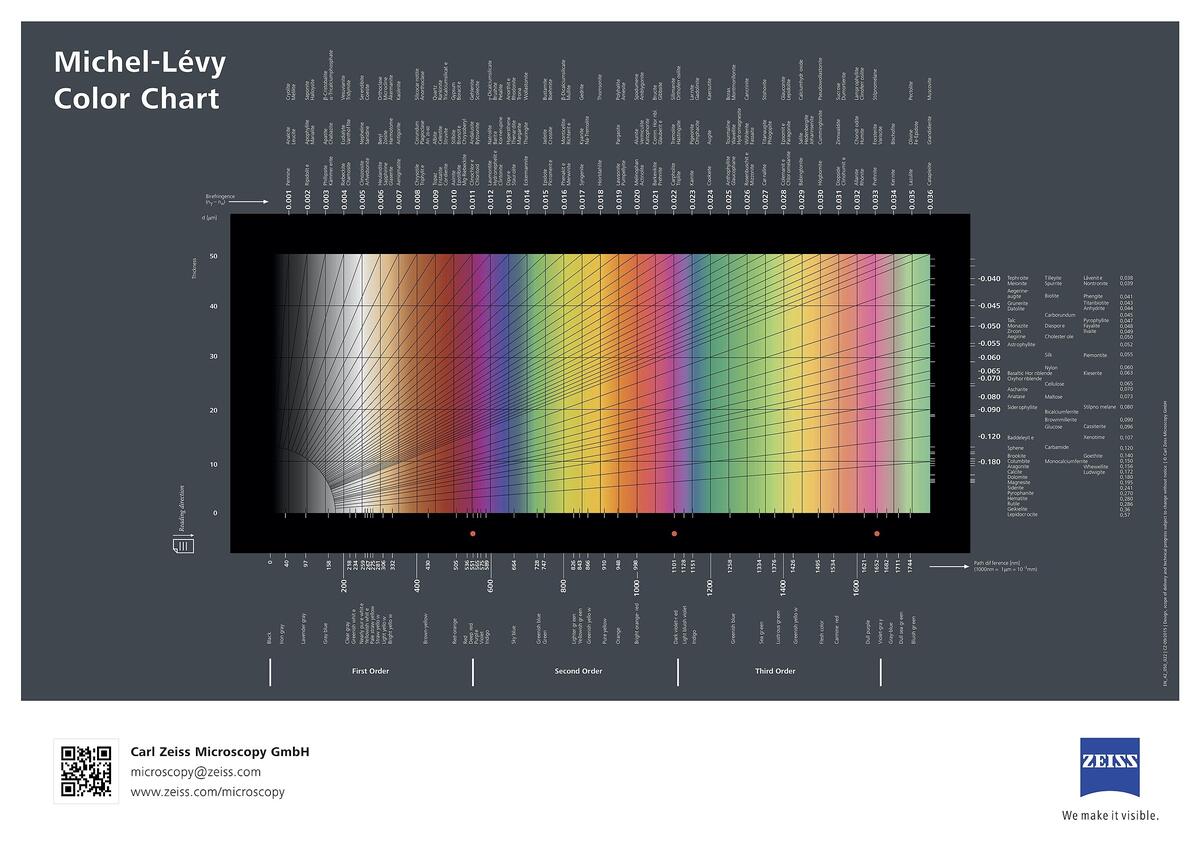
File Michel L Vy Interference Colour Chart 21257606712 Jpg Wikimedia Commons
Creating A Printable Color Chart
Creating a printable color chart for minerals requires careful planning and attention to detail. You’ll need to select a range of minerals that exhibit a variety of colors, and then use a microscope to observe and record their optical properties. You can use specialized software or even create your own charts by hand, depending on your preferences and resources. The key is to ensure that your chart is accurate, consistent, and easy to use, with clear labels and descriptions that make it simple to identify different minerals based on their colors.
Using The Chart For Mineral Identification
Once you have created your printable color chart, you can use it to identify minerals with greater accuracy and confidence. By comparing the colors of unknown minerals to those listed on your chart, you can narrow down the possibilities and make a more informed identification. This can be especially useful when working with rare or unusual minerals, where the color may be the only distinguishing feature. With a printable color chart, you’ll be able to unlock the secrets of even the most enigmatic minerals and take your studies to new heights.
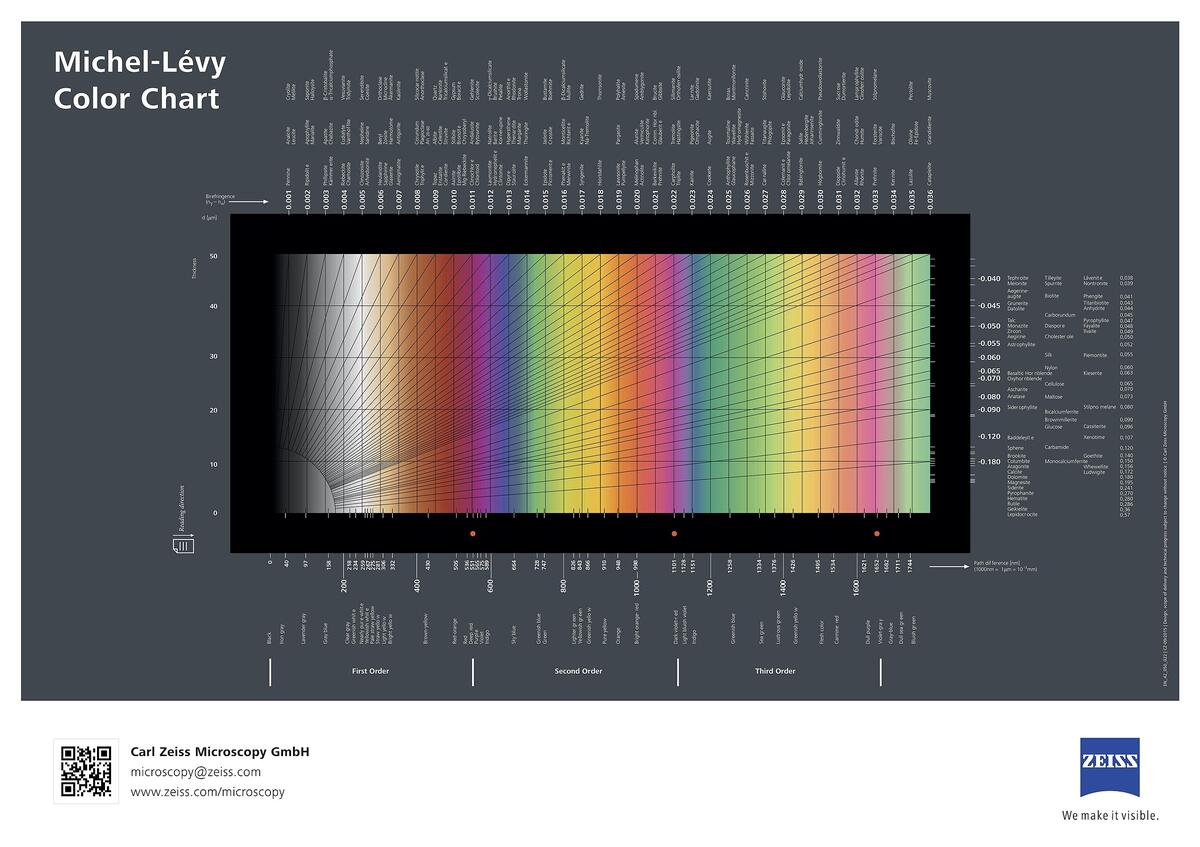
File Michel L Vy Interference Colour Chart 21257606712 Jpg Wikimedia Commons
In conclusion, a printable color chart for minerals under a microscope is an essential tool for anyone interested in the study of minerals. By providing a standardized reference guide, it enables accurate identification and comparison of mineral colors, and can be a valuable resource for students, researchers, and enthusiasts alike. Whether you’re just starting out or are an experienced mineralogist, a printable color chart can help you unlock the secrets of the mineral kingdom and discover new wonders under the microscope.