Cooking can be a fun and enjoyable experience, but it can also be frustrating when you’re trying to follow a recipe and you’re not sure how to convert between different units of measurement. Whether you’re a beginner cook or an experienced chef, having a reliable way to convert between cups, grams, and ounces is essential for ensuring that your dishes turn out right. That’s where a printable food measurement conversion chart comes in – a simple, convenient tool that can help you navigate the world of recipe conversions with ease.
A printable food measurement conversion chart is a handy resource that lists the equivalent measurements for common ingredients, allowing you to quickly and easily convert between different units. With a chart like this, you’ll never have to worry about ruining a recipe because you accidentally added too much or too little of an ingredient. You can print out the chart and stick it on your fridge or inside a cabinet, so it’s always within easy reach when you need it.
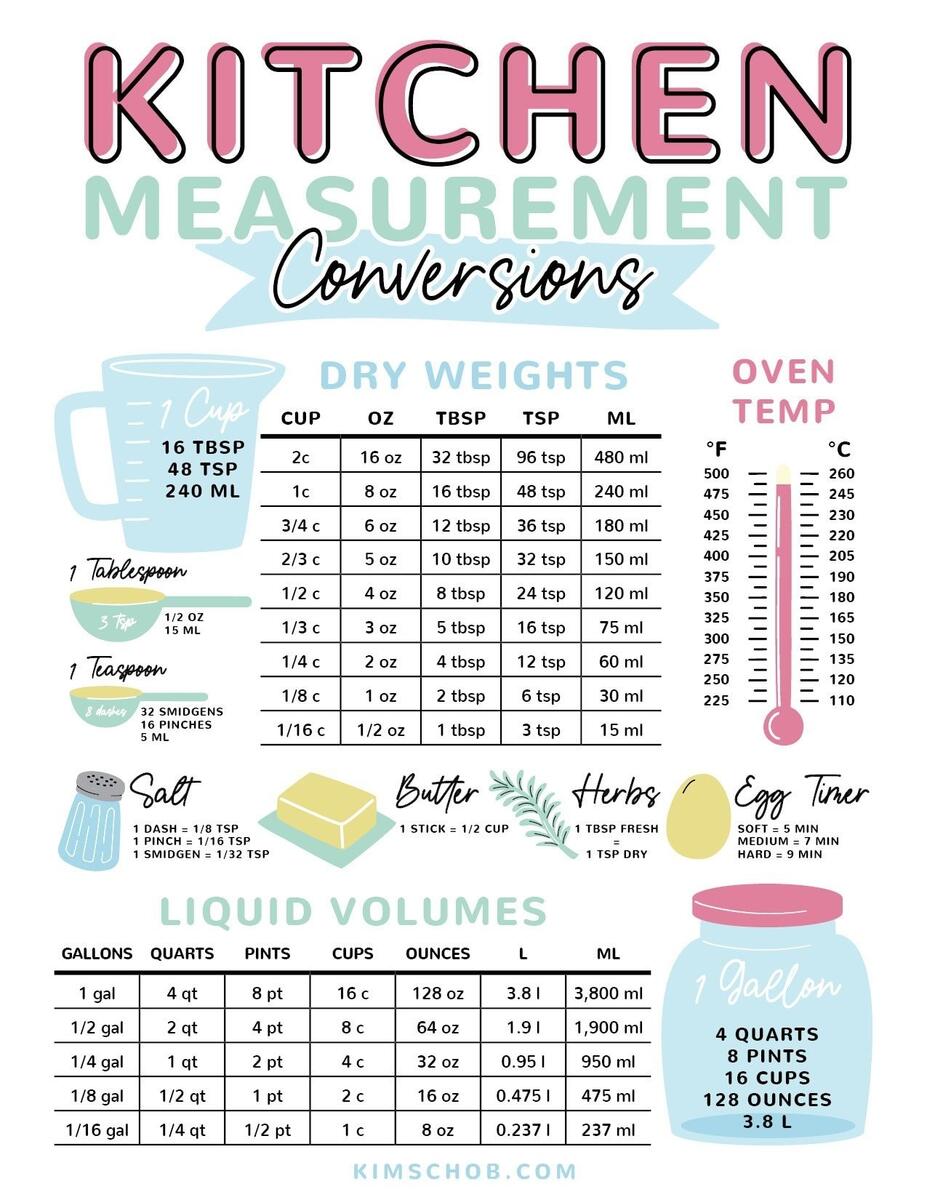
Complete Cooking Conversion Measurements Guide Kim Schob
Benefits of Using a Measurement Conversion Chart
One of the biggest benefits of using a measurement conversion chart is that it saves you time and hassle in the kitchen. No more scrambling to find a calculator or searching online for conversion rates – with a chart, you can quickly glance at the equivalent measurements and get on with cooking. This is especially useful when you’re working with complex recipes that involve multiple ingredients and conversions. By having a reliable conversion chart on hand, you can focus on the fun part of cooking – experimenting with new flavors and techniques, and enjoying the process of creating delicious meals.
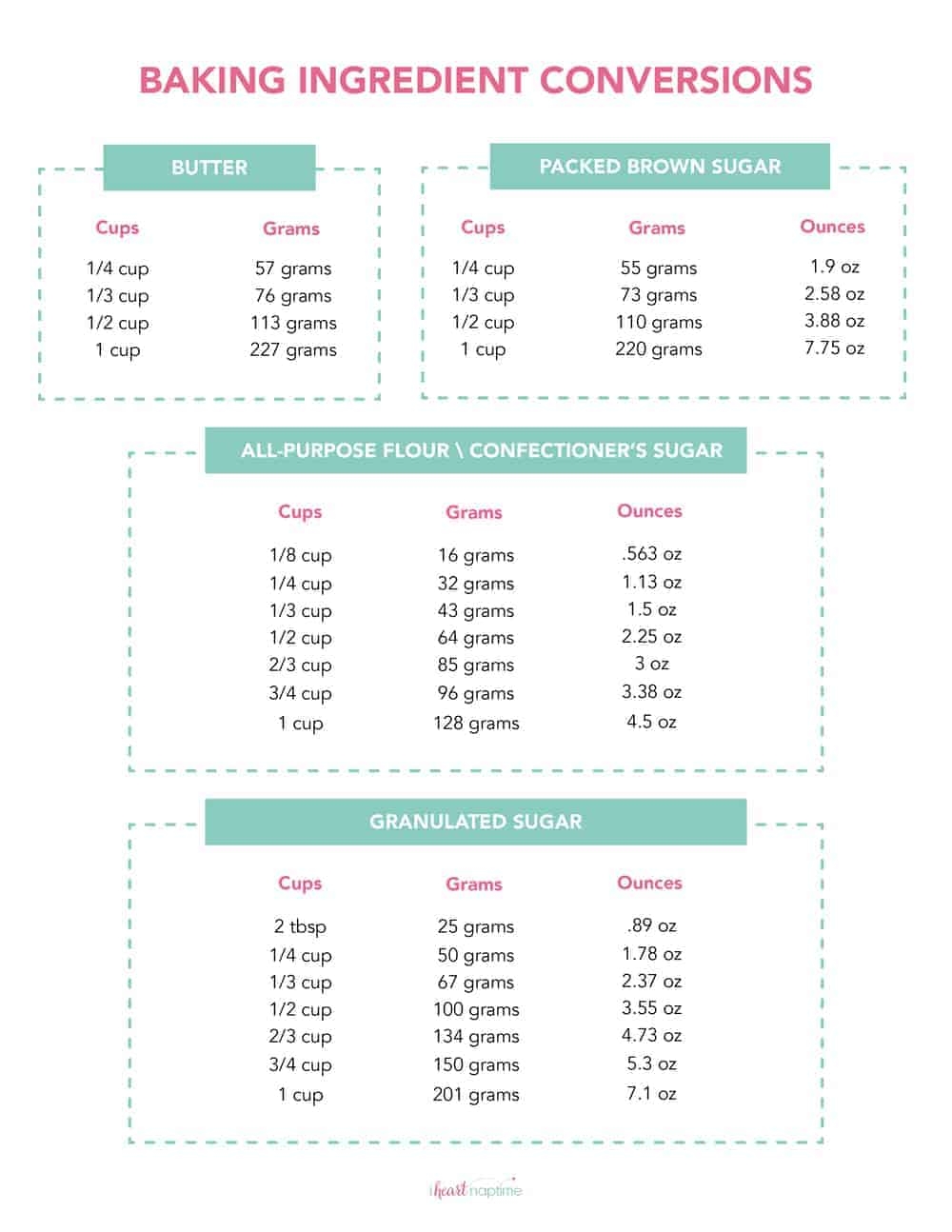
FREE Printable Kitchen Conversion Chart I Heart Naptime
How to Use a Food Measurement Conversion Chart
Using a food measurement conversion chart is straightforward – simply find the ingredient you’re working with on the chart, and look up the equivalent measurement in the unit you need. For example, if a recipe calls for 250 grams of flour, you can use the chart to find out how many cups that is. Most charts will list the measurements for common ingredients like flour, sugar, and butter, as well as for liquids like water and oil. By referencing the chart, you can ensure that your measurements are accurate, and your recipes turn out as intended.
Tips for Printing and Storing Your Conversion Chart
When it comes to printing and storing your conversion chart, there are a few tips to keep in mind. First, make sure to print the chart on high-quality paper or cardstock, so it’s durable and easy to read. You may also want to consider laminating the chart, so it’s protected from spills and splatters in the kitchen. In terms of storage, you can stick the chart on your fridge or inside a cabinet, or you can fold it up and store it in a drawer or on a shelf. Whatever method you choose, make sure the chart is easily accessible, so you can refer to it whenever you need to.
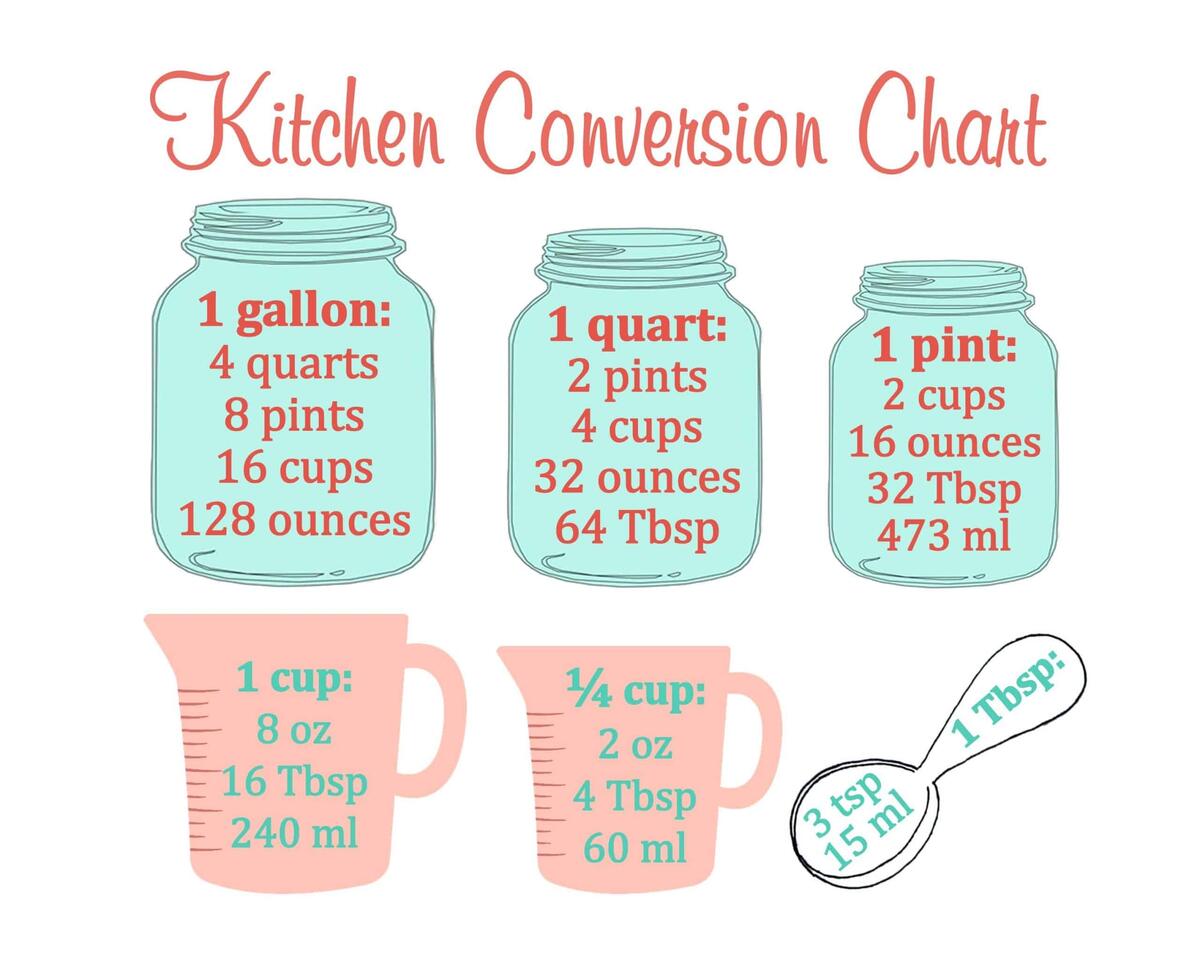
Free Printable Kitchen Measurement Conversion Chart
By having a printable food measurement conversion chart on hand, you can take the stress and uncertainty out of cooking, and focus on enjoying the process of creating delicious meals. Whether you’re a beginner cook or an experienced chef, a conversion chart is an essential tool that can help you navigate the world of recipe conversions with ease. So why not download and print your chart today, and start cooking with confidence?
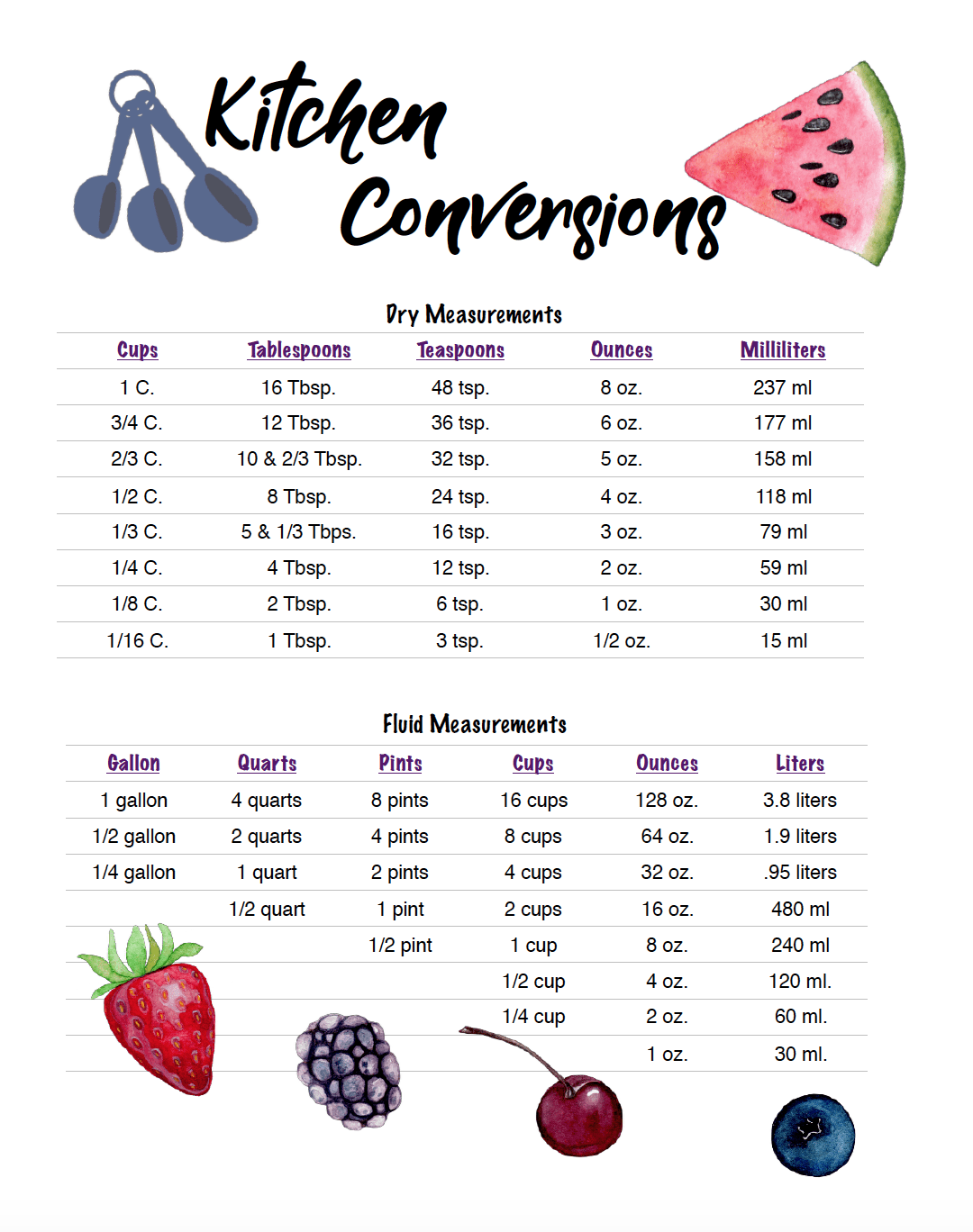
Free Printable Kitchen Conversion Chart
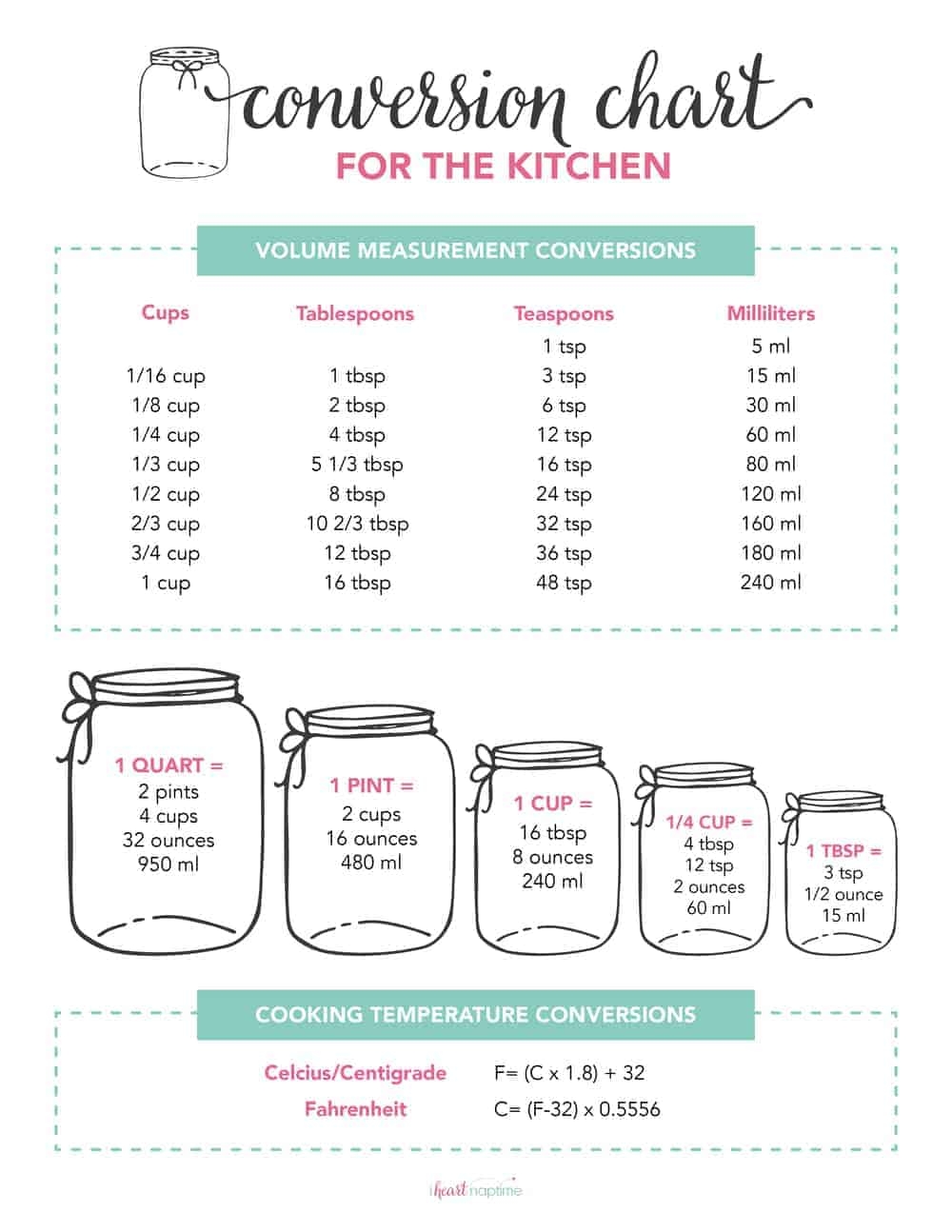
FREE Printable Kitchen Conversion Chart I Heart Naptime