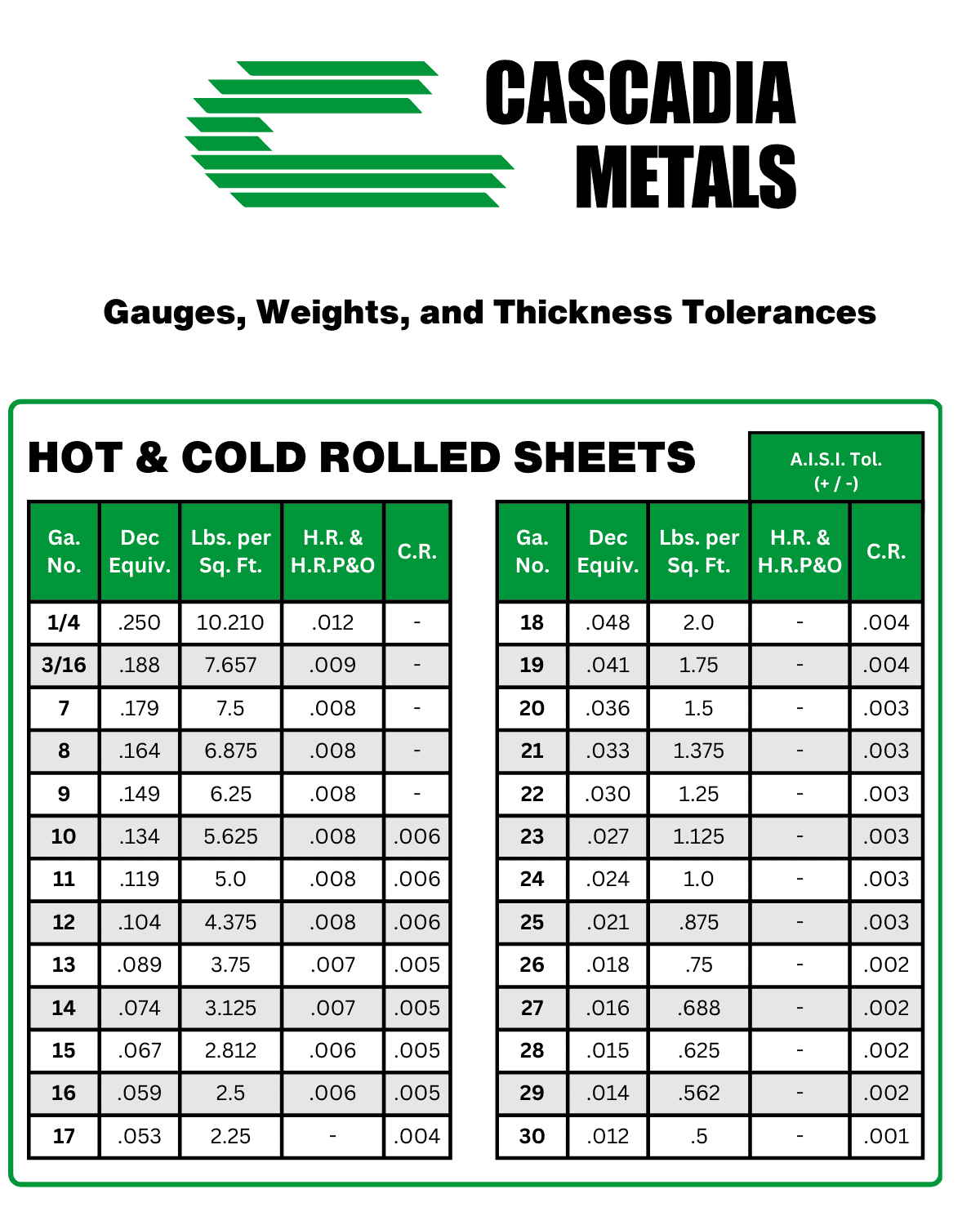
When working with metal, it’s essential to have the right tools and resources to ensure accuracy and precision. One of the most critical tools for metalworkers is a steel gauge thickness chart. This chart provides a standardized measurement of the thickness of steel sheets, helping you to determine the correct gauge for your project. With a printable steel gauge thickness chart, you can easily access and use this valuable resource whenever you need it.
Steel gauges are used in a variety of applications, from construction to manufacturing. The gauge of a steel sheet refers to its thickness, with higher gauges indicating thinner sheets. Understanding the different gauges and their corresponding thicknesses is crucial for selecting the right materials for your project. A printable steel gauge thickness chart can help you to quickly and easily look up the thickness of a particular gauge, saving you time and reducing errors.
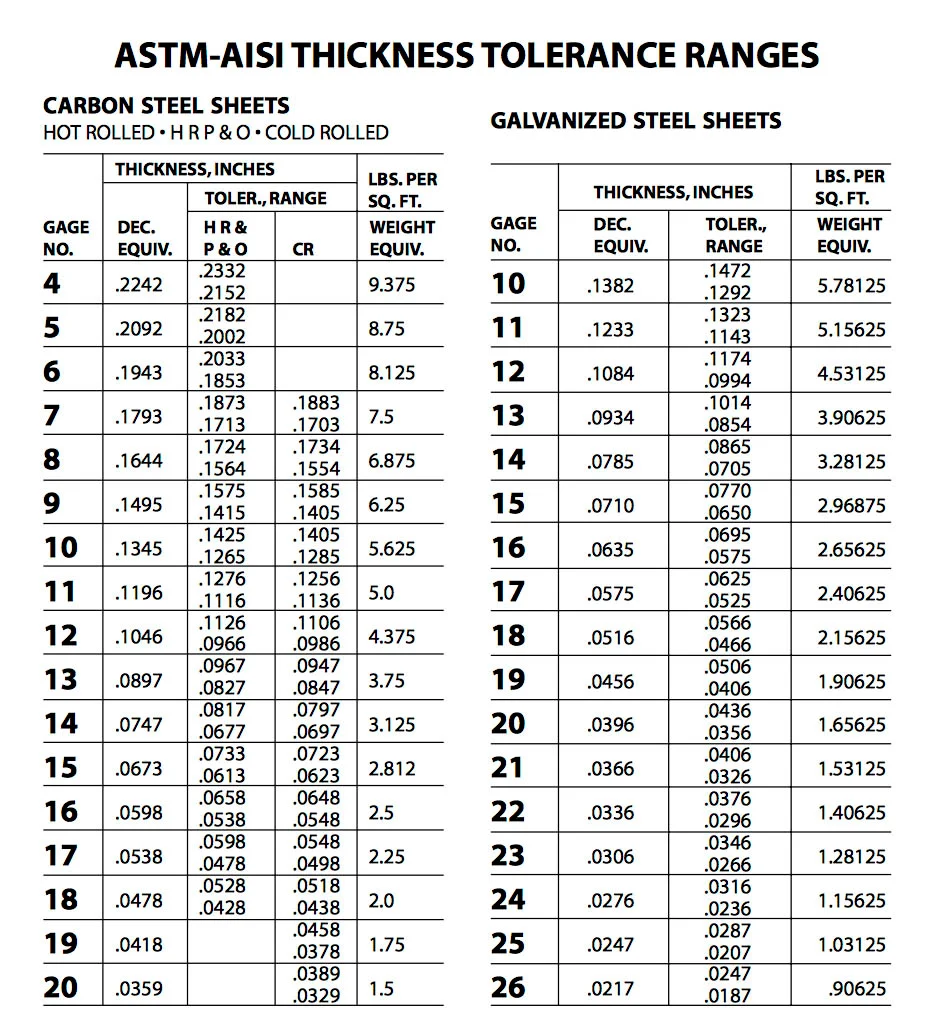
22 Gauge Sheet Metal Thickness Printable
Understanding Steel Gauges
Steel gauges are based on a standard system that assigns a specific thickness to each gauge number. The most common system used is the US standard, which ranges from 7 to 30 gauges. Understanding how to read a steel gauge thickness chart is essential for working with steel sheets. The chart typically lists the gauge number, the corresponding thickness in inches, and sometimes the thickness in millimeters. By familiarizing yourself with the chart, you can quickly determine the thickness of a steel sheet and select the right gauge for your project.
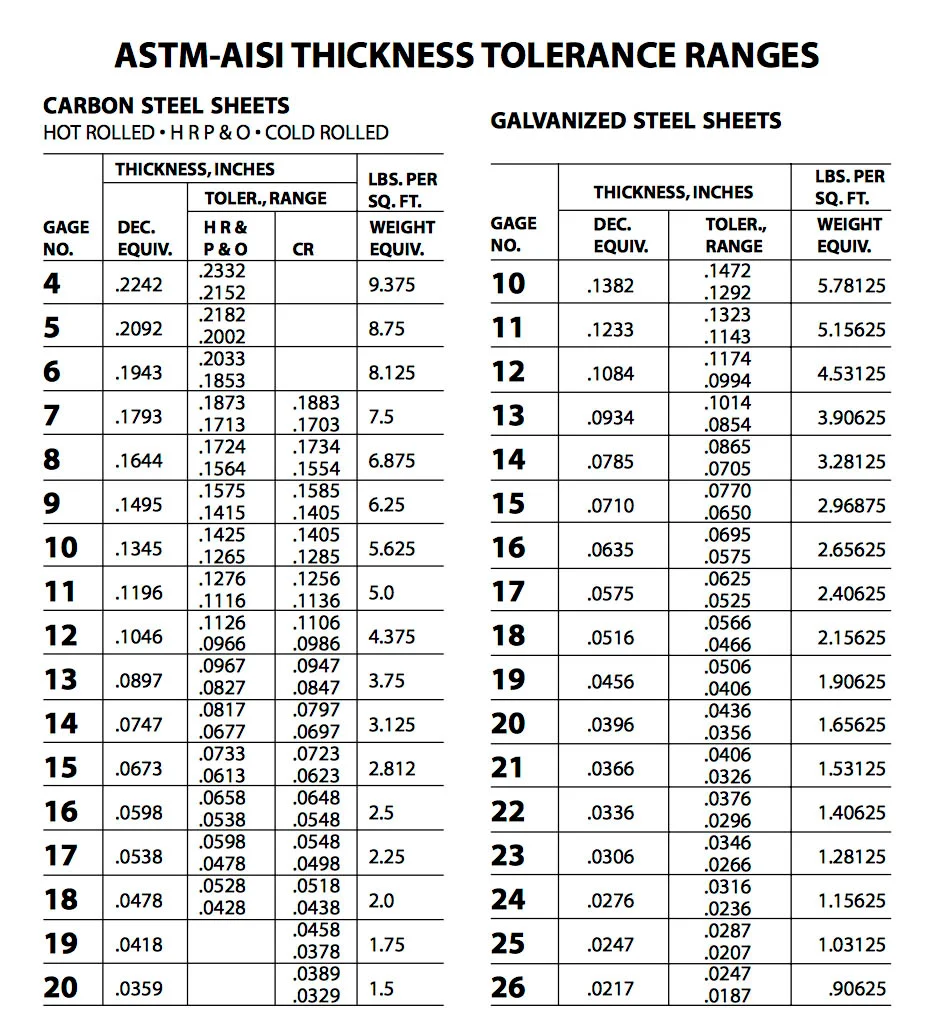
22 Gauge Sheet Metal Thickness Printable
How to Read a Steel Gauge Thickness Chart
Reading a steel gauge thickness chart is relatively straightforward. The chart is usually organized in a table format, with the gauge number listed in one column and the corresponding thickness listed in another. To use the chart, simply find the gauge number you’re interested in and look up the corresponding thickness. You can also use the chart to convert between different units of measurement, such as inches to millimeters. By using a printable steel gauge thickness chart, you can ensure accuracy and precision in your metalworking projects.
Applications of Steel Gauge Thickness Charts
Steel gauge thickness charts have a wide range of applications in various industries. In construction, they are used to select the right materials for building frames, roofing, and siding. In manufacturing, they are used to specify the thickness of steel sheets for products such as appliances, vehicles, and machinery. A printable steel gauge thickness chart can be a valuable resource for professionals and hobbyists alike, providing a quick and easy way to look up steel gauges and their corresponding thicknesses. By having access to this chart, you can work more efficiently and effectively, ensuring that your projects are completed to the highest standards.
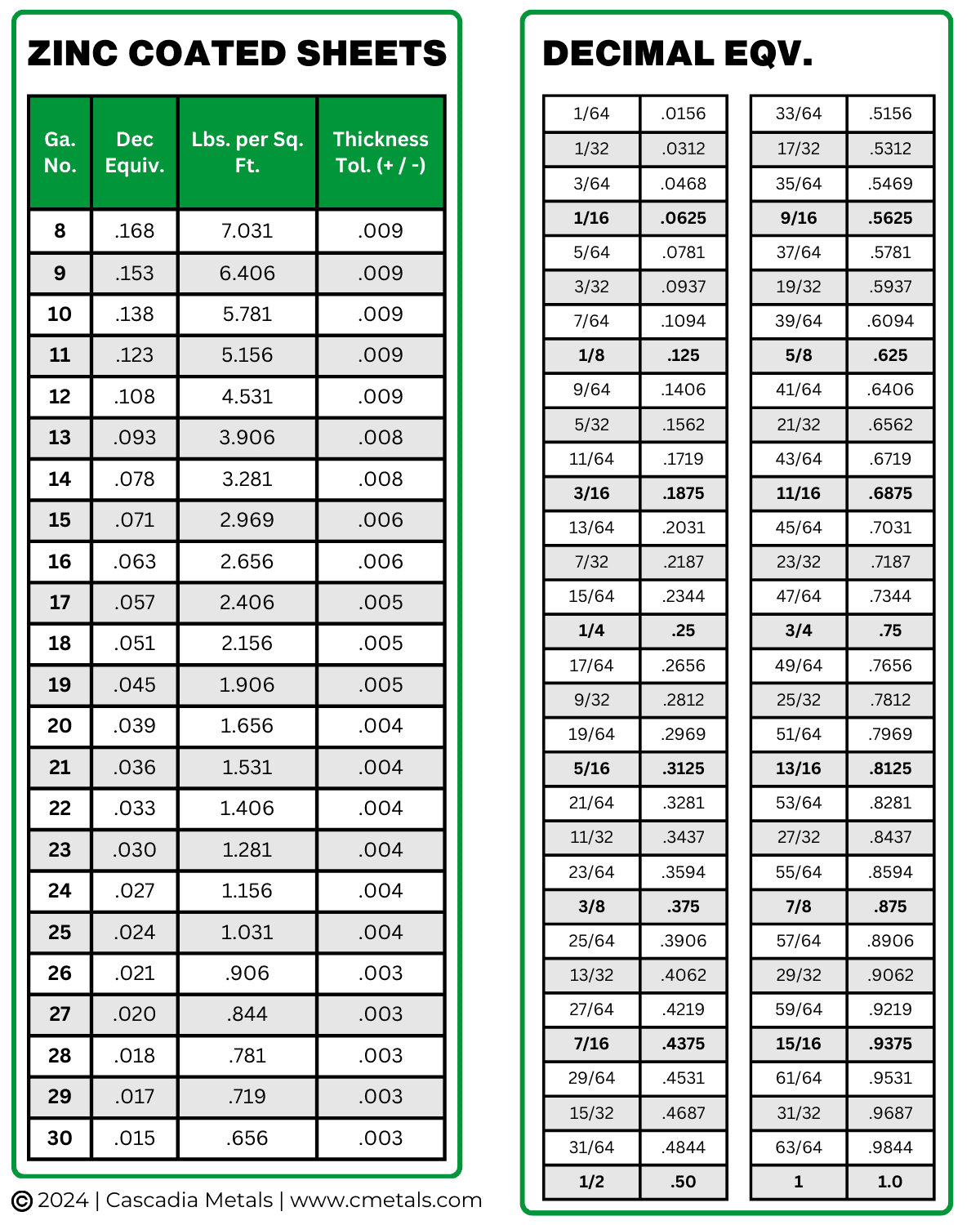
Choosing The Right Metal Gauge
In addition to its practical applications, a printable steel gauge thickness chart can also be a useful educational tool. By studying the chart and understanding how to read it, you can gain a deeper understanding of the properties and characteristics of steel sheets. This knowledge can be applied to a wide range of projects, from simple repairs to complex manufacturing processes. Whether you’re a seasoned professional or just starting out, a printable steel gauge thickness chart is an essential resource that can help you to achieve accuracy, precision, and success in your metalworking endeavors.
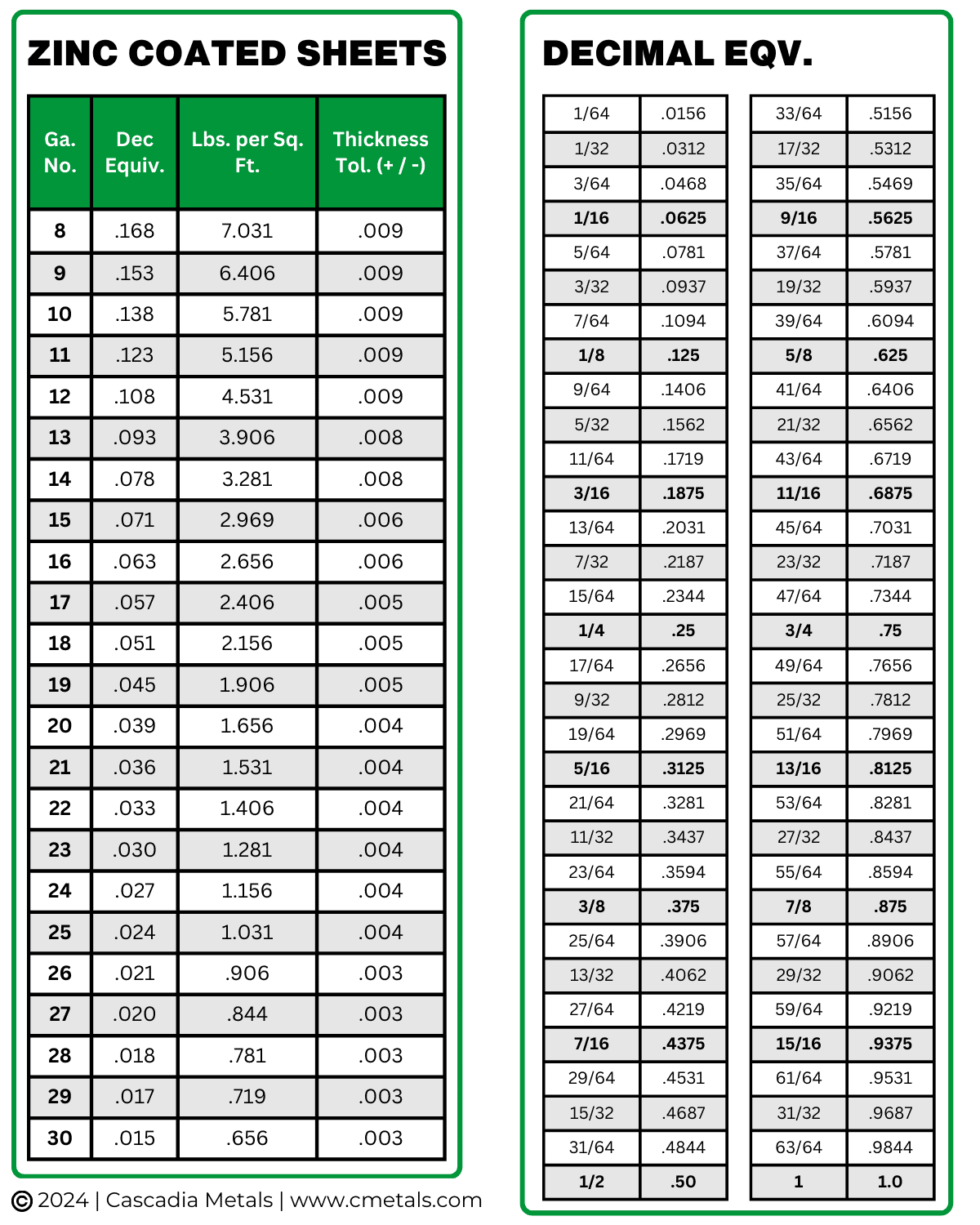
Choosing The Right Metal Gauge
Choosing The Right Metal Gauge