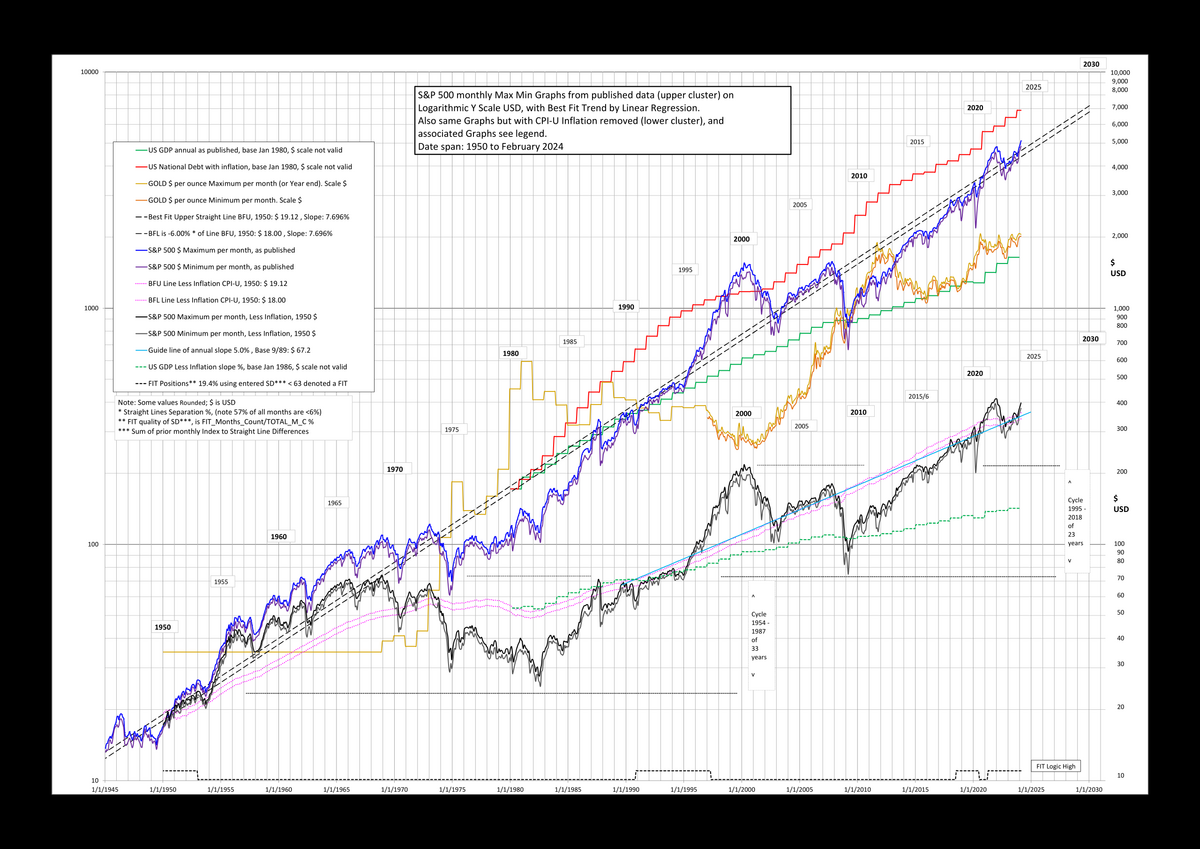
The S&P 500, or the Standard & Poor’s 500, is a stock market index that represents the market value of 500 large, publicly traded companies in the US stock market. It is widely regarded as a leading indicator of the overall health of the stock market and the economy. Investors, financial analysts, and researchers closely follow the S&P 500 for insights into market trends and potential investment opportunities. A key tool in analyzing the S&P 500 is the S&P 500 chart, which visually represents the index’s performance over time.
For those looking to delve into the world of stock market investing or to refine their investment strategies, understanding and analyzing the S&P 500 chart is crucial. The chart provides a visual representation of the index’s fluctuations, allowing users to identify patterns, trends, and potential areas for investment. However, navigating through digital charts can sometimes be cumbersome, especially for those who prefer a more tactile approach to analysis. This is where a printable S&P 500 chart comes into play, offering a convenient and accessible way to study market trends.
File S P 500 Log Chart 1950 To February 2024 And Other Graphs Svg Wikimedia Commons
Understanding the S&P 500 Index
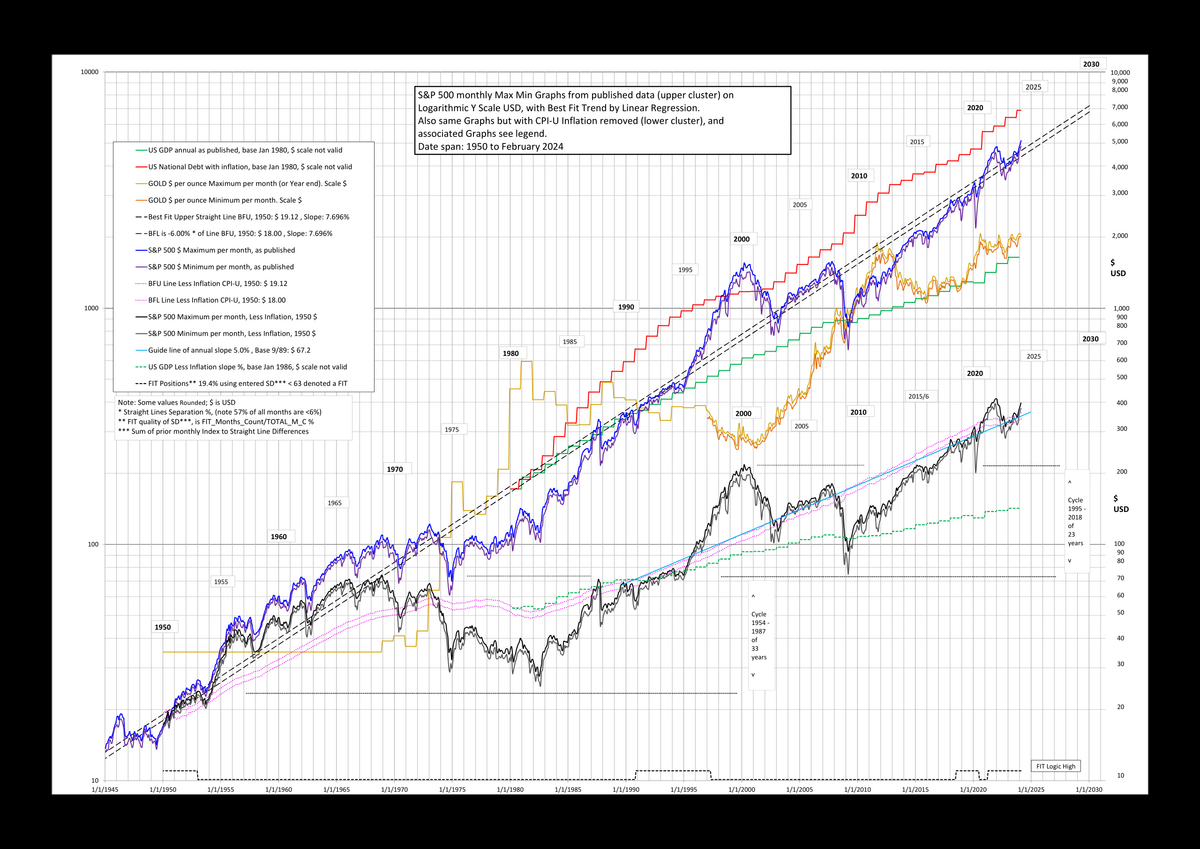
The S&P 500 index is a market-capitalization-weighted index, meaning that the largest companies in terms of market capitalization have a greater impact on the index’s value. Understanding this composition is key to interpreting the S&P 500 chart. The index includes companies from various sectors, providing a broad snapshot of the US economy. By analyzing the historical performance of the S&P 500, investors can gain insights into how different sectors and the overall market have performed over time, which can inform future investment decisions.
File S P 500 Log Chart 1950 To February 2024 And Other Graphs Svg Wikimedia Commons
Benefits of Using a Printable S&P 500 Chart
One of the primary benefits of using a printable S&P 500 chart is the ability to manually annotate and track changes in the market. This tactile approach can be particularly useful for identifying long-term trends and patterns that might be obscured by the dynamic nature of digital charts. Furthermore, having a physical copy of the chart allows for easier reference and comparison over time, facilitating a more nuanced understanding of market fluctuations. This can be especially beneficial for investors who prefer a hands-on approach to market analysis.
How to Interpret the S&P 500 Chart for Investment Decisions
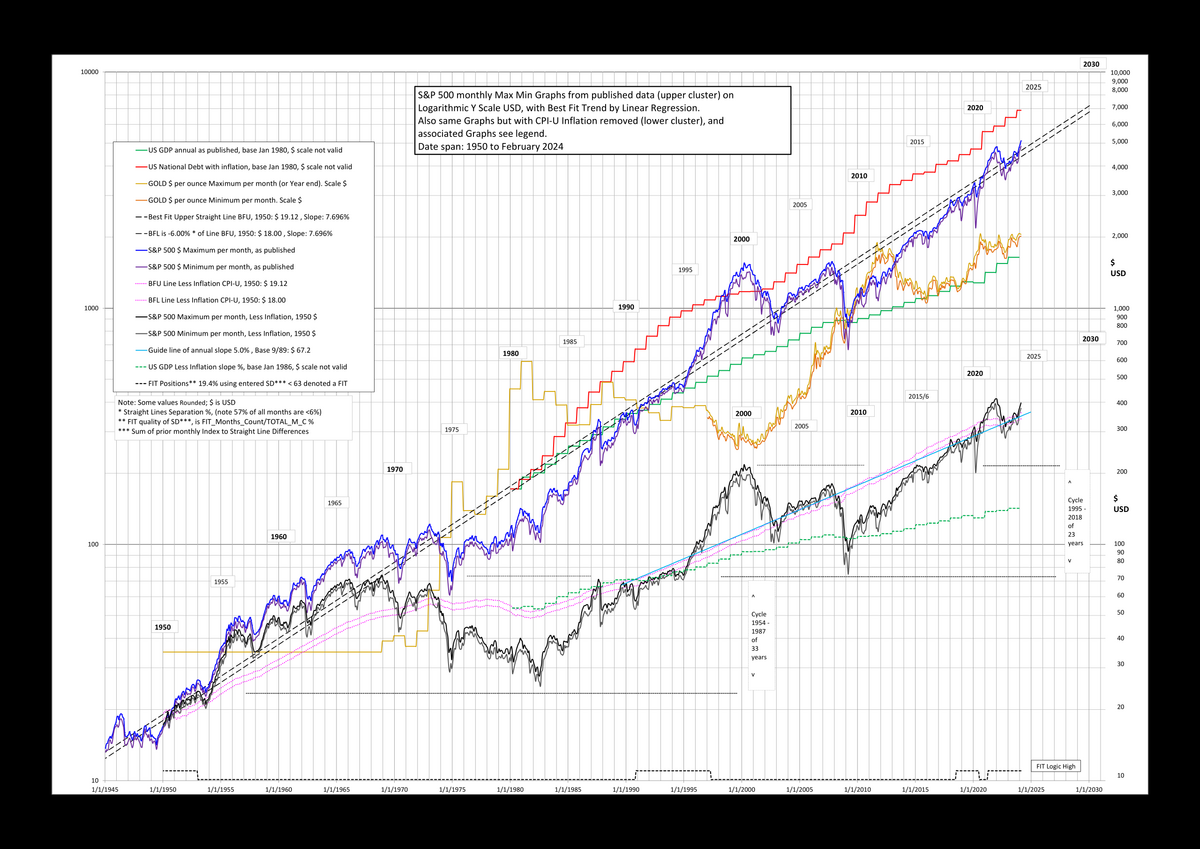
Interpreting the S&P 500 chart for investment decisions involves a combination of technical analysis and fundamental research. Technical analysis focuses on the patterns and trends visible on the chart, such as support and resistance levels, trends, and volatility. Fundamental research, on the other hand, involves looking at the underlying factors that drive the market, including economic indicators, company performance, and sector trends. By combining these approaches, investors can make more informed decisions about when to buy, sell, or hold stocks within the S&P 500 index.
File S P 500 Log Chart 1950 To February 2024 And Other Graphs Svg Wikimedia Commons
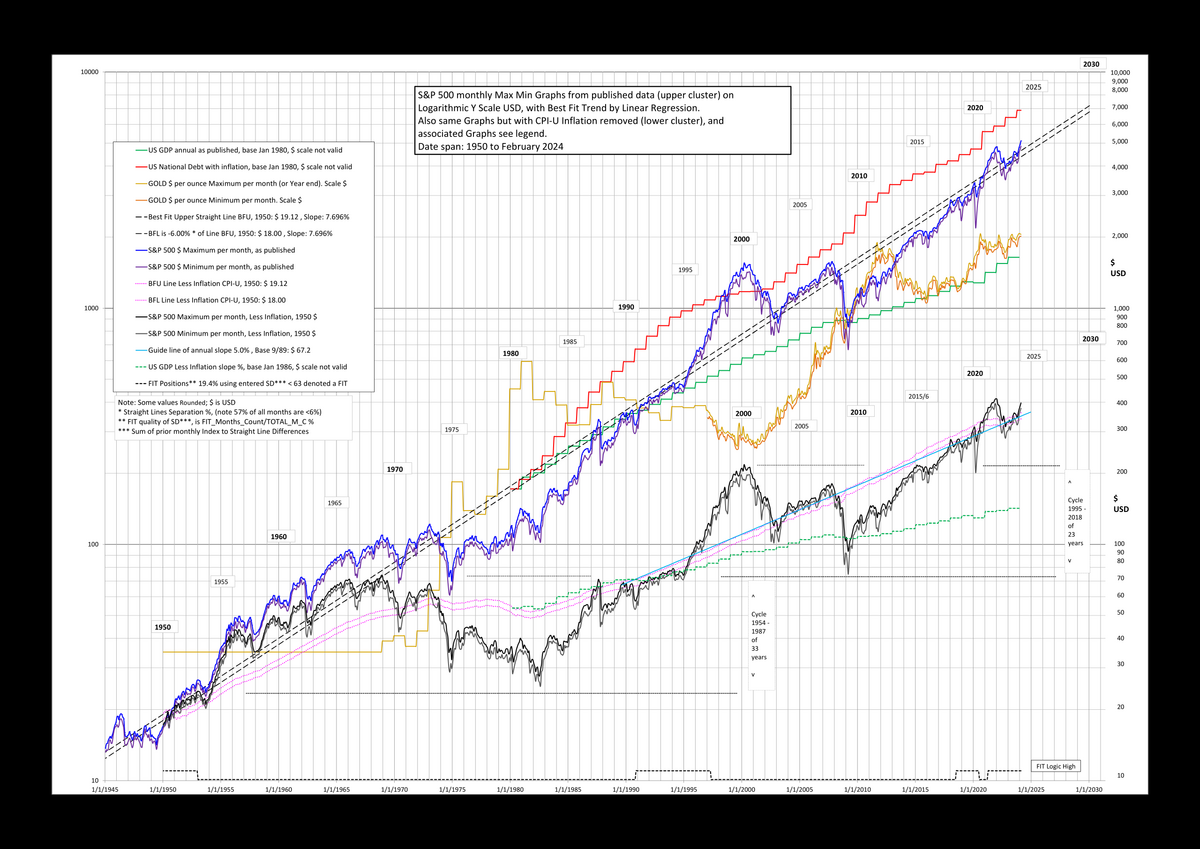
In conclusion, a printable S&P 500 chart is a valuable tool for anyone interested in the stock market. It offers a unique way to engage with market data, facilitating deeper analysis and understanding of the S&P 500 index. Whether you are a seasoned investor or just starting to explore the world of stock market investing, leveraging a printable S&P 500 chart can enhance your investment strategy and provide new insights into market trends and opportunities.
File S P 500 Log Chart 1950 To February 2024 And Other Graphs Svg Wikimedia Commons
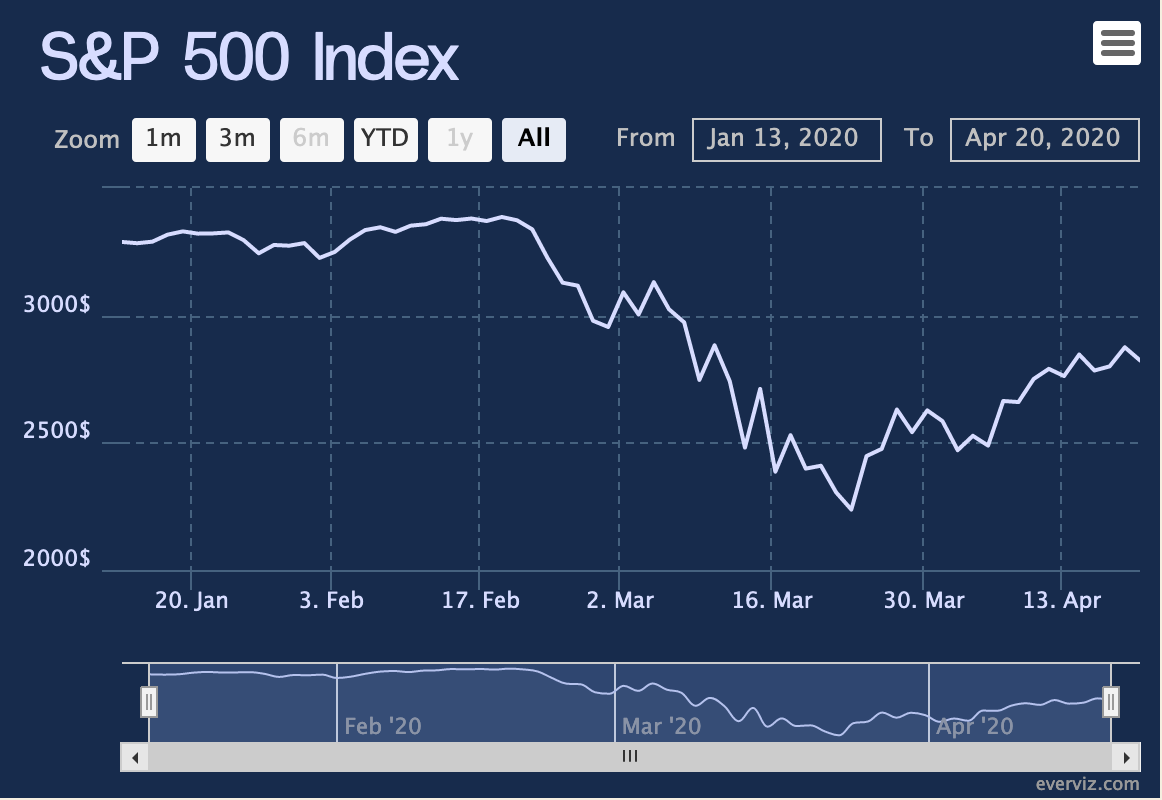
S P 500 Index Live Data Everviz