Statistical analysis is a crucial aspect of data-driven decision making, and one of the most important tools in this field is the Z score chart. A Z score, also known as a standard score, is a measure of how many standard deviations an element is from the mean. This score is calculated using a simple formula and can be used to compare data points from different normal distributions. With the help of a Z score chart, researchers and analysts can quickly determine the probability of a data point being within a certain range.
The Z score chart is a graphical representation of the standard normal distribution, which is a normal distribution with a mean of 0 and a standard deviation of 1. The chart typically consists of a table or graph that shows the Z score on one axis and the corresponding probability on the other. This allows users to look up the Z score and find the corresponding probability, or vice versa. Z score charts are widely used in statistics, medicine, social sciences, and other fields where data analysis is critical.
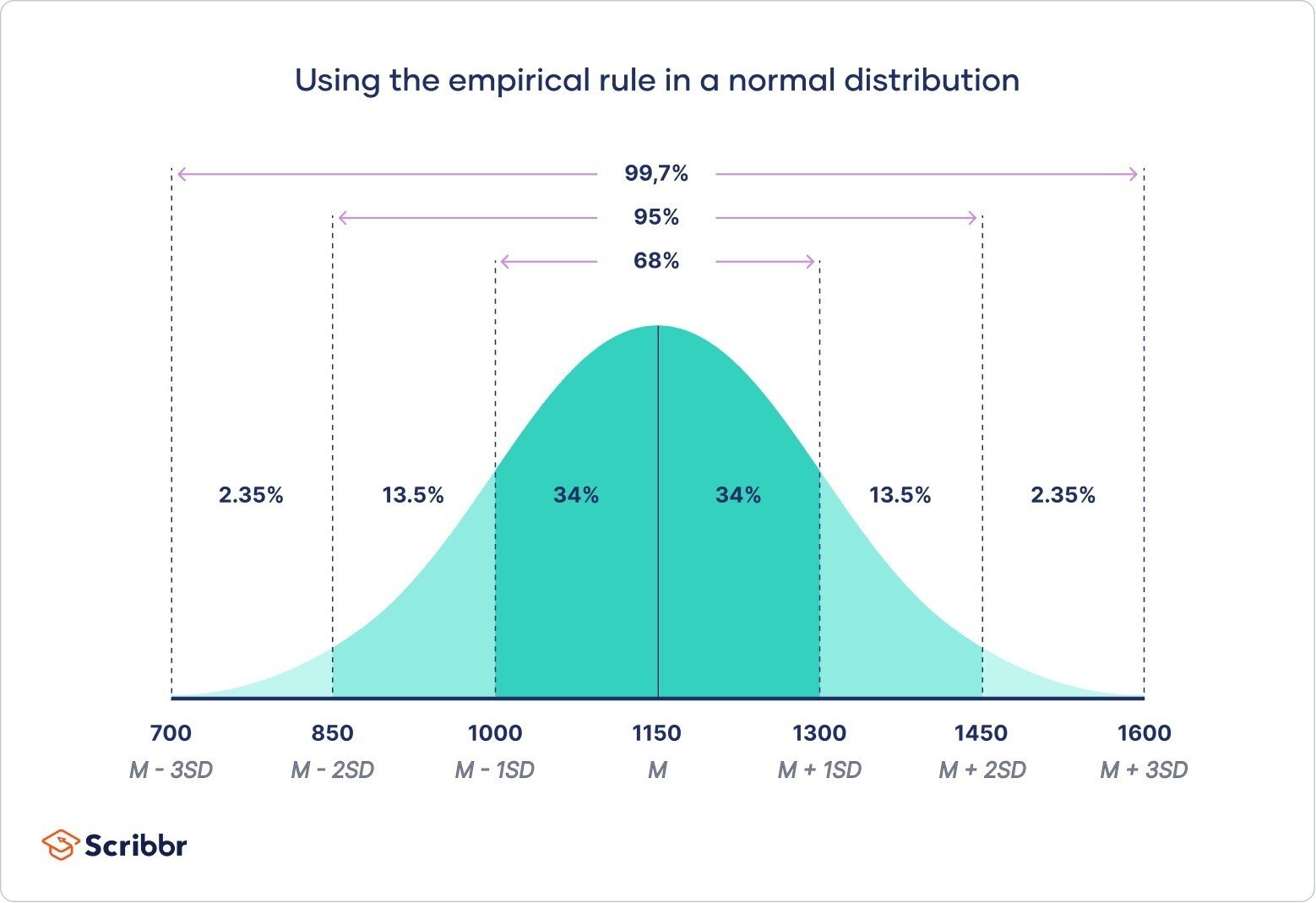
Understanding Z Scores
Understanding Z Scores
To understand Z scores, it’s essential to know what they represent. A Z score is a dimensionless quantity that measures the number of standard deviations an element is away from the mean. A Z score of 0 means that the data point is equal to the mean, while a positive Z score indicates that the data point is above the mean, and a negative Z score indicates that it’s below the mean. Understanding Z scores is crucial for interpreting the results of statistical tests and making informed decisions based on data analysis.
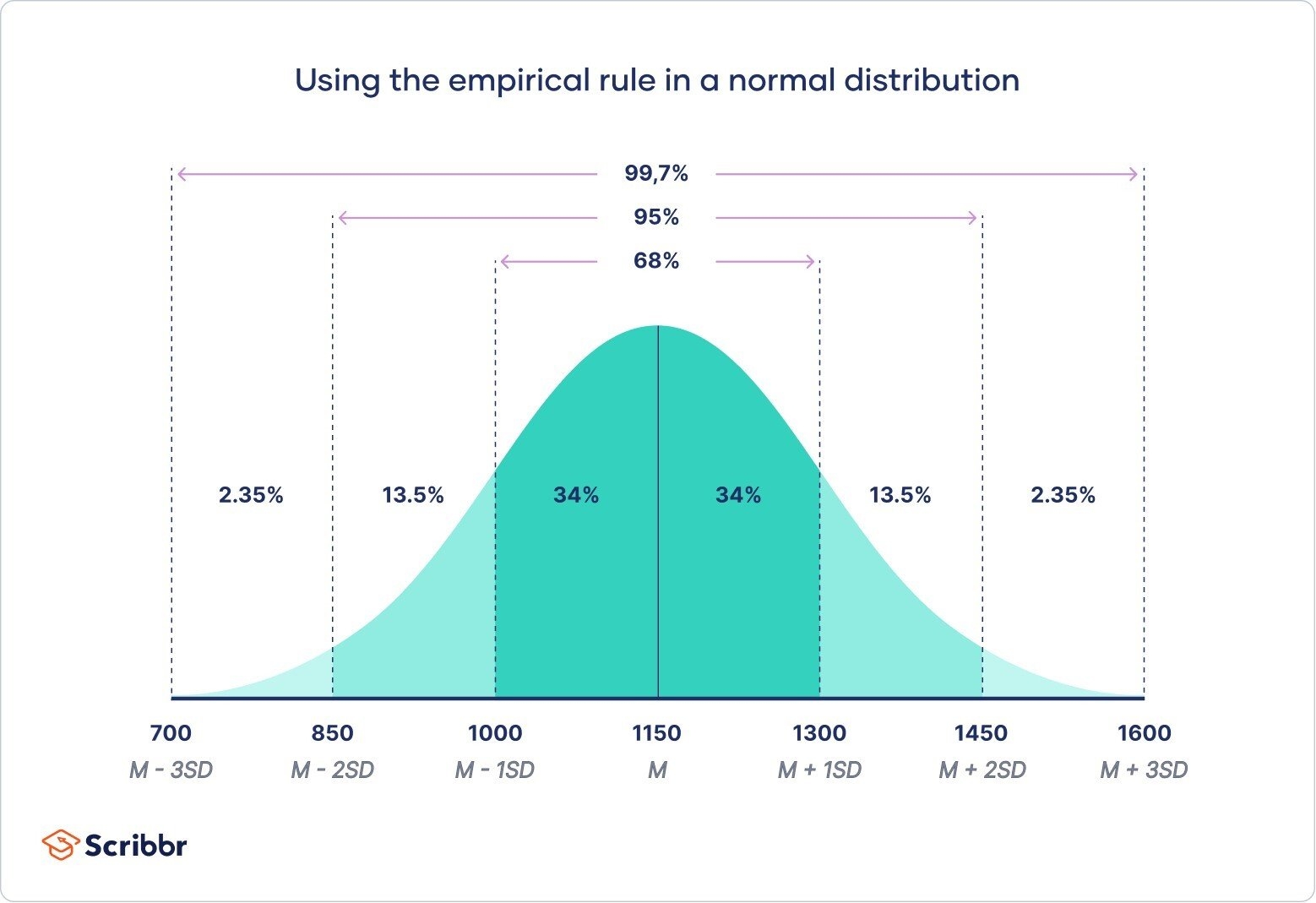
Understanding Z Scores
How to Read a Z Score Chart
Reading a Z score chart is relatively straightforward. The chart typically has two axes: the X-axis represents the Z score, and the Y-axis represents the probability. To find the probability of a data point, simply look up the corresponding Z score on the X-axis and read the probability from the Y-axis. For example, if the Z score is 1.5, the probability might be 0.9332, indicating that there is a 93.32% chance that a data point will be below 1.5 standard deviations from the mean.
Applications of Z Score Charts
Z score charts have numerous applications in various fields, including statistics, medicine, social sciences, and engineering. In medicine, Z scores are used to diagnose diseases and monitor treatment progress. In social sciences, Z scores are used to analyze survey data and understand population trends. In engineering, Z scores are used to optimize system performance and predict failure rates. The versatility of Z score charts makes them an essential tool for anyone working with data.
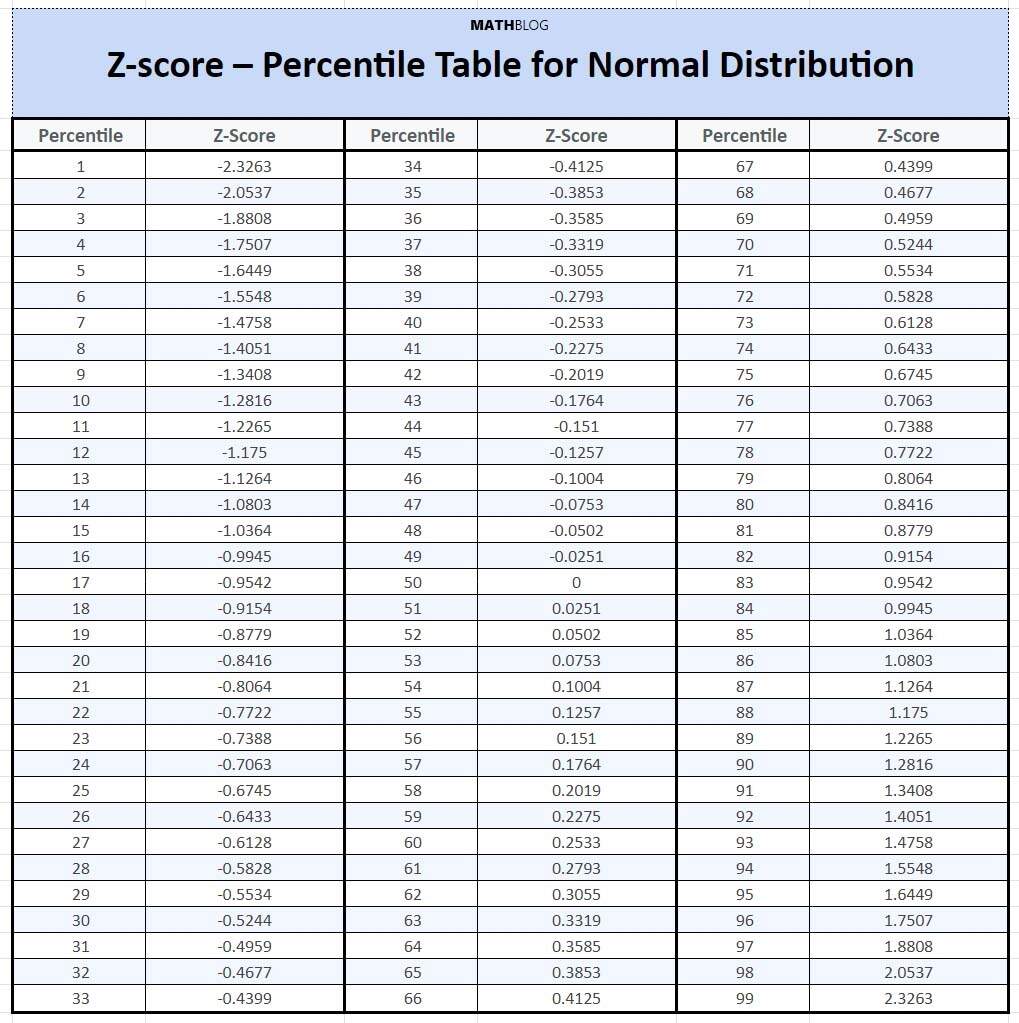
Z Score Percentile Table For Normal Distribution
In conclusion, Z score charts are a powerful tool for data analysis and statistical research. By understanding how to calculate and interpret Z scores, researchers and analysts can make informed decisions and drive business outcomes. With the help of a printable Z score chart, anyone can quickly and easily determine probabilities and make sense of complex data. Whether you’re a student, researcher, or professional, a Z score chart is an indispensable resource that can help you unlock the power of statistical analysis.
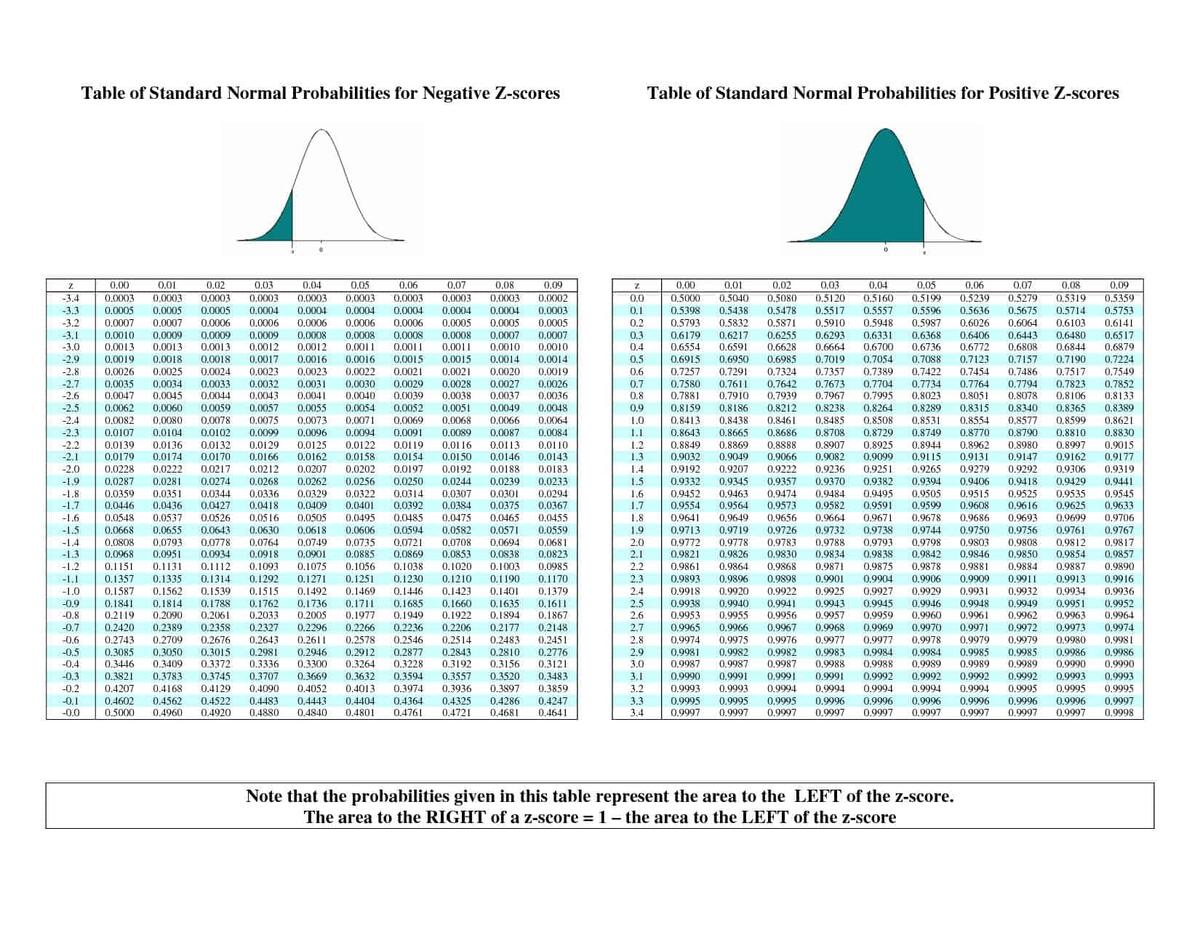
Applications Of The Normal Distribution Math For Non Math Majors Class Notes
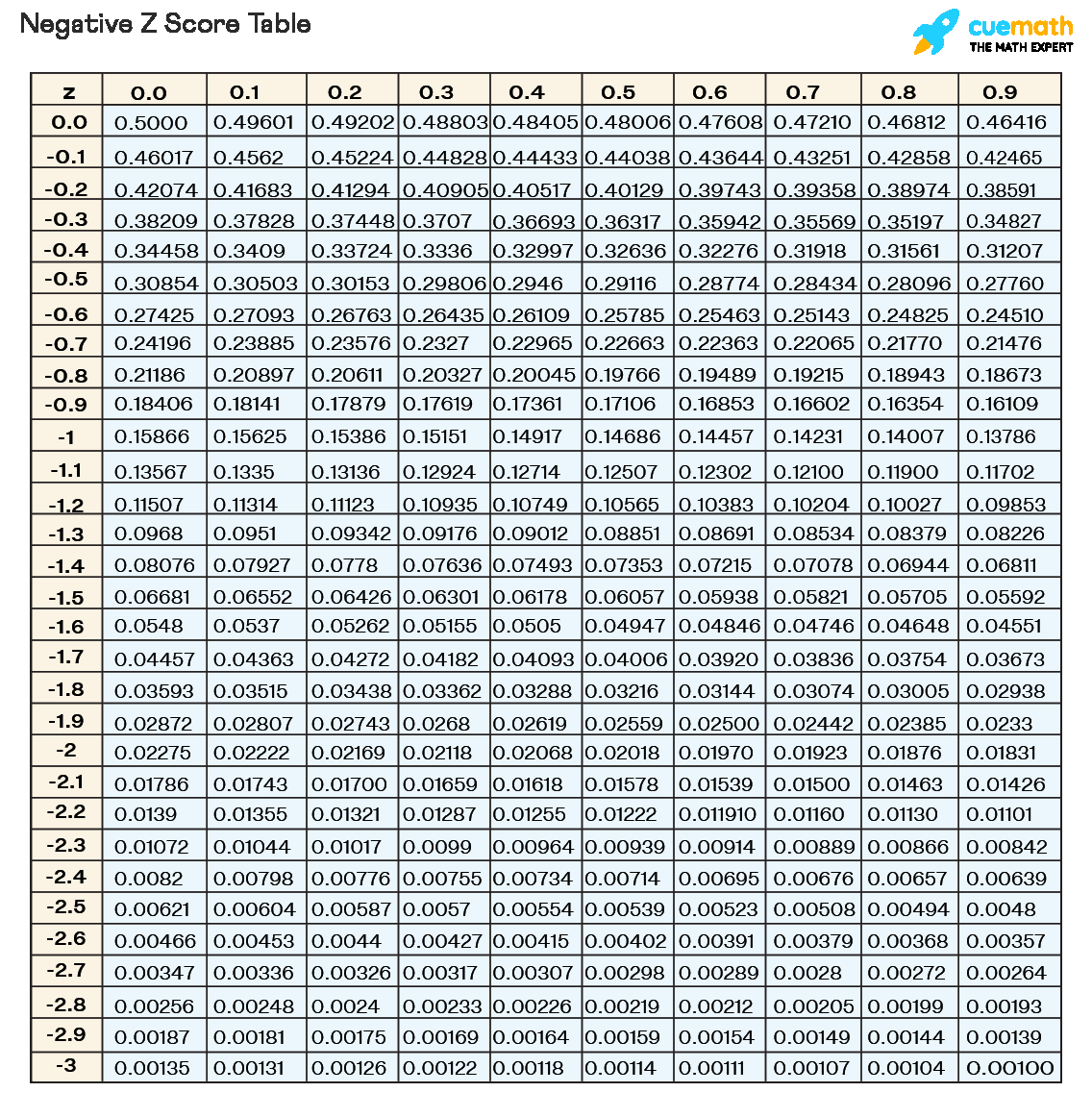
Z Score Table Chart Formula Examples